
Tag: India

  • High Returns and Government Support Drive AIFs to Explore SME-Focused IPOs

    High Returns and Government Support Drive AIFs to Explore SME-Focused IPOs

    Alternate Investment Fund

    High Returns and Government Support Drive AIFs to Explore SME-Focused IPOs

    Approximately 900 SMEs are now listed on the SME platforms of both the National Stock Exchange and the BSE, with significant traction observed over the past 2-3 years.

    The recent success of Initial Public Offerings (IPOs) for Small and Medium Enterprises (SMEs), coupled with robust government support, has spurred Alternative Investment Funds (AIFs) to tap into this lucrative sector.

    An AIF is a fund established or incorporated in India, functioning as a privately pooled investment vehicle.

    Paradise Moon Investment Fund, an AIF, has announced its launch with the goal of raising Rs 750 crore over the next few years, targeting investors keen to leverage the growth of the SME market both pre- and post-IPOs. The fund aims to provide investors with a unique opportunity to benefit from the expanding Indian stock market and capitalize on the dynamic landscape of SME IPOs, according to an official statement.

    With around 900 SMEs now listed on the SME platforms of both the National Stock Exchange and the BSE, significant traction has been observed over the past 2-3 years. Naveen Bansal, Managing Director of Paradise Moon, stated, “We seek to invite investment in Category 1 Alternative Investment Fund (AIF), with the visionary goal of becoming a leading investor in SME (pre and post) IPOs. The SME sector has witnessed notable expansion and development, contributing to a third of Gross Domestic Product (GDP).”

    The BSE SME Index has delivered annualized gains of up to 195 percent over the past decade. A Rs 1,000 investment in September 2013 would be worth Rs 1.03 lakh in 2023, representing a 100x return, Bansal added.

    Officials noted that the growth and returns in the SME sector are expected to surpass those of larger companies on the main exchange board due to concerns over stretched valuations.

    As part of the ‘Aatmanirbhar Bharat’ package, the government announced a Rs 50,000 crore equity infusion for MSMEs through a Fund of Funds in July 2023 under the Self-Reliant India (SRI) Fund. Led by NSIC Venture Capital Fund, this initiative aims to provide equity funding to MSMEs with the potential and viability to grow into large enterprises. The government has provisioned Rs 10,000 crore, with the remainder coming from private venture funds.
  • Incentives Worth Rs 9,721 Crore Claimed Under PLI Scheme for Nine Sectors: Piyush Goyal

    Incentives Worth Rs 9,721 Crore Claimed Under PLI Scheme for Nine Sectors: Piyush Goyal

    PLI scheme

    Incentives Worth Rs 9,721 Crore Claimed Under PLI Scheme for Nine Sectors: Piyush Goyal

    Commerce and Industry Minister Piyush Goyal informed the Lok Sabha on Tuesday that incentives amounting to Rs 9,721 crore have been claimed under the Production Linked Incentive (PLI) scheme for nine sectors, including electronics manufacturing and pharmaceuticals. Actual investments totaling Rs 1.23 lakh crore have been realized by March 2024, resulting in incremental production or sales of over Rs 10.31 lakh crore and the creation of approximately 8 lakh jobs.

    In a written reply, Goyal detailed that the incentives were claimed for sectors such as large-scale electronics manufacturing, IT hardware, bulk drugs, medical devices, pharmaceuticals, telecom and networking products, food processing, white goods, and drones and drone components.

    The PLI schemes aim to attract both domestic and foreign investments in key sectors and advanced technologies, ensure efficiency, and bring economies of size and scale to the manufacturing sector, making Indian companies globally competitive. Goyal noted that there is increasing foreign investment in several PLI sectors, highlighting Apple’s shift of its suppliers, including Foxconn, Wistron, and Pegatron, to India.

    He added that most projects are in the implementation stage and will be filing incentive claims in due course. To further enhance the performance and sentiment of applicants, the government plans to settle PLI claims quarterly, which is expected to improve cash flow, accelerate the disbursement of incentives, and enhance fund utilization efficiency.

    Additionally, Minister of State for Commerce and Industry Jitin Prasada informed the Parliament that India has granted Geographical Indications (GI) tags to 643 products as of July 24 this year. A GI tag, valid for 10 years and renewable thereafter, prevents any person or company from selling a similar item under the registered name. This tag assures quality and distinctiveness attributable to the product’s place of origin.

    Prasada also mentioned that the Indian Patent Office granted 1,03,057 patents in the 2023-24 period.

  • NSE Partners with Defence Ministry to Facilitate MSME Capital Access

    NSE Partners with Defence Ministry to Facilitate MSME Capital Access

    national stock exchange

    NSE Partners with Defence Ministry to Facilitate MSME Capital Access

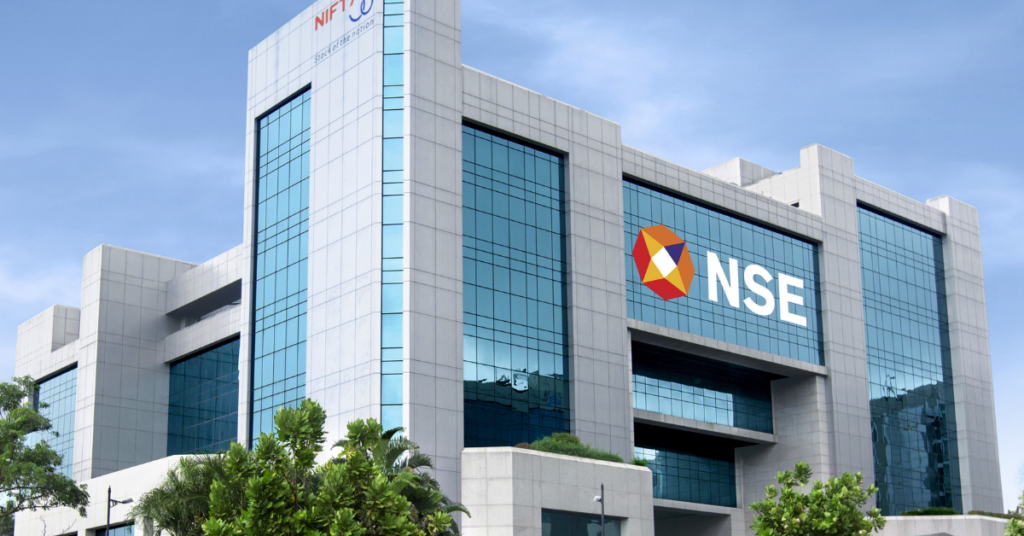
    The National Stock Exchange (NSE) has partnered with the Defence Ministry to provide capital market access to MSMEs in the defence sector through its NSE Emerge platform.

    New Delhi, Jul 29 (PTI) – The National Stock Exchange (NSE) announced on Monday that it has signed a memorandum of understanding (MoU) with the Ministry of Defence to facilitate capital market access for micro, small, and medium enterprises (MSMEs) in the defence sector.

    The MoU aims to help MSMEs in the defence sector raise productive capital for their growth plans efficiently and transparently through the NSE Emerge platform. This platform offers new and viable options for raising equity capital from a diversified set of investors, according to a statement from the exchange.

    The MoU will be in effect for five years. During this period, the Department of Defence Production (DDP) and NSE will conduct extensive awareness drives through seminars, MSME camps, knowledge sessions, roadshows, and workshops to guide corporates engaged with the Ministry of Defence on fundraising via the NSE Emerge platform.

    Additionally, NSE will assist MSMEs in connecting with intermediaries such as merchant bankers, registrars, transfer agents, and depositories. The exchange will also guide them regarding the capital markets, capital-raising mechanisms, regulatory compliance, and requirements.

    The MoU was signed by the Additional Secretary of the Department of Defence Production (DDP) and the Managing Director of NSE in the presence of Defence Secretary Giridhar Aramane.

    This partnership aims to help MSMEs and emerging companies in the defence sector scale up their business operations, explore new markets, and fund their R&D activities.

  • India Actively Pursuing Global Manufacturing Hub Status

    India Actively Pursuing Global Manufacturing Hub Status

    Manufacturing Center

    India Actively Pursuing Global Manufacturing Hub Status

    India is undergoing rapid economic growth and aiming to establish itself as a global manufacturing hub, according to a report by Lazard. The report highlights India’s strong demographic advantage, featuring a growing labor force and a rising middle class, as well as Prime Minister Narendra Modi’s commitment to making India a developed country by 2047.

    India has sustained its position as the fastest-growing economy and is actively working to become a global manufacturing center, as noted by the global financial services firm Lazard.

    In its latest report, “Outlook on Emerging Markets,” Lazard acknowledges India’s robust demographic dividend. It suggests that the country will benefit from its youthful population, driving economic growth until 2060.

    “With a young and expanding labor force—nearly 80% of the population is under the age of 50—and a rising middle class experiencing real wage growth, India has a demographic advantage that will support rapid growth until the 2060s,” the report states.

    The report also highlights, “During his first two terms, Modi’s government has stabilized India’s macroeconomy, integrated millions into the digital economy, and implemented significant tax and other reforms.”

    Additionally, the report emphasizes that Prime Minister Modi’s goal of transforming India into a developed nation by 2047 will be a key focus of his third term.

    However, the report also points out that India still faces considerable challenges in the education and agriculture sectors.

    India’s efforts to bolster its manufacturing sector are evident in the Union Budget 2024-25. During her budget speech, Finance Minister Nirmala Sitharaman highlighted the budget’s special focus on MSMEs and manufacturing, particularly labor-intensive manufacturing.

    To support the manufacturing sector, the budget increased the limit for Mudra loans from Rs 10 lakh to Rs 20 lakh. The government also plans to provide financial support for the establishment of 50 multi-product food irradiation units within the MSME sector. Additionally, the government will facilitate a wide range of services for labor, including employment and skill development, as announced in the Union Budget 2024-25.

  • SEBI Urges Stricter Norms for SME IPO Approvals: Report

    SEBI Urges Stricter Norms for SME IPO Approvals: Report

    SEBI

    SEBI Urges Stricter Norms for SME IPO Approvals: Report

    The market regulator is reportedly also working on tweaking the eligibility criteria for SME IPOs to ensure only fundamentally strong companies make the cut.

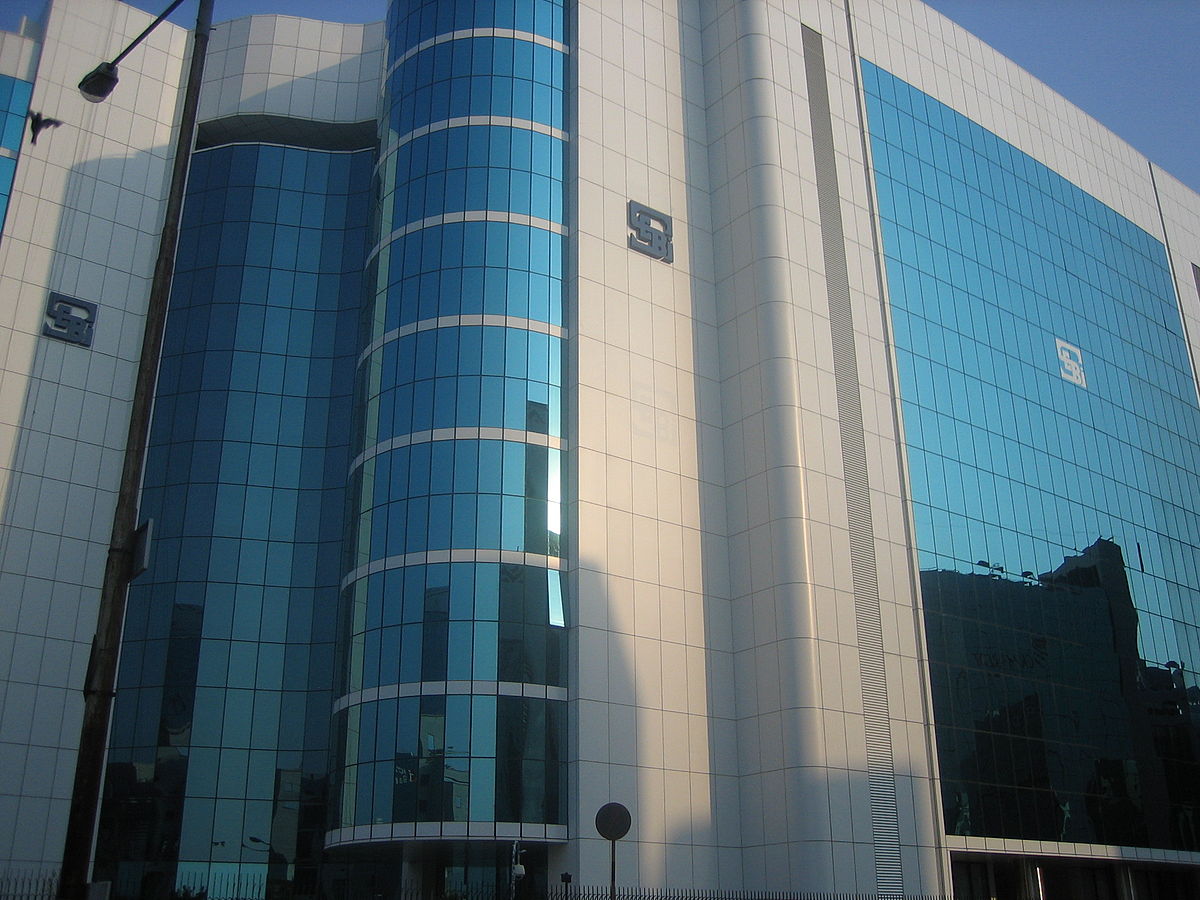
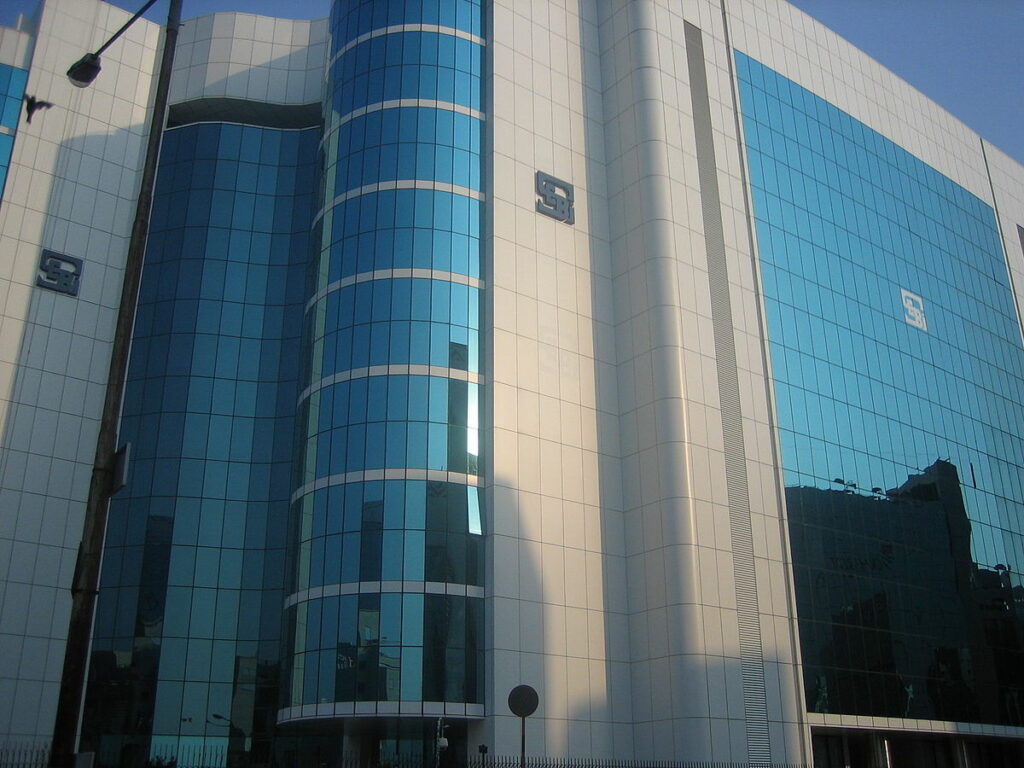
    The Securities and Exchange Board of India (SEBI) has instructed stock exchanges to exercise increased vigilance when approving initial public offerings (IPOs) for small and medium enterprises (SMEs).

    A report from Moneycontrol, citing sources, mentioned that SEBI has directed both BSE and NSE to enhance due diligence during the application review process, even if it results in slower IPO approvals.

    The report further noted that SEBI’s advice for heightened caution on SME IPO approvals has led the exchanges to request more detailed information from applicants regarding their capital expenditure plans and the purpose of the public issue.

    The market regulator is also reportedly working on revising the eligibility criteria for SME IPOs to ensure that only companies with strong fundamentals are approved. Under the current criteria, any SME that has achieved an operating profit in two out of the three years preceding the IPO document filing is eligible for listing on the SME platforms of the stock exchanges.

    According to Prime Database, a total of 56 SMEs raised ₹1,633 crore from the primary market in the first quarter of this fiscal year.

    Several experts, including SEBI Chairperson Madhabi Puri Buch, have expressed concerns about potential manipulation in SME IPOs.

    Earlier this month, NSE issued a circular imposing a 90% cap on the listing price of shares under the SME segment compared to the IPO price. This decision aims to prevent scenarios where a company’s stock price significantly exceeds its intrinsic value.

    “To standardise the opening price discovery/equilibrium price across exchanges during the special pre-open session for initial public offers (IPOs) on the SME platform, it has been decided to impose an overall cap of up to 90% over the issue price for SME IPOs,” the NSE circular stated.

  • MSME Credit to Benefit from Budget Boost, Counter Unsecured Loan Stress

    MSME Credit to Benefit from Budget Boost, Counter Unsecured Loan Stress

    MSME

    MSME Credit to Benefit from Budget Boost, Counter Unsecured Loan Stress

    To enhance credit flow to MSMEs, the government is urging banks to offer collateral-free term loans and additional support during financial stress. The FY25 budget includes a new credit guarantee scheme to help MSMEs in manufacturing secure loans for machinery and equipment without needing collateral or a third-party guarantee.

    Indian lenders are beginning to balance expectedly slower growth in unsecured lending due to rising stress with larger financing allocations to MSMEs, which the Centre believes are core to last-mile job creation and deserve greater access to formal funds and budgetary support.

    “Lowering growth estimates on the retail side will not bring down overall loan growth, I see it supported by the MSME segment,” said Prashant Kumar, managing director of Yes Bank. “That book is growing at a fast clip of 25%, we are also not seeing any stress in that book.”

    To boost credit flows to MSMEs, the government has encouraged banks to give term loans to small businesses without collateral and top-up loans during stress. In the FY25 budget, the finance minister proposed a new credit guarantee scheme to help MSMEs in the manufacturing sector avail term loans for purchasing machinery and equipment without collateral or third-party guarantees.

    “Budget proposals are expected to boost financing to the MSME segment and improve MSME assessment,” said MV Rao, chairman of the Indian Banks Association.

    A separately constituted self-financing guarantee fund will provide each applicant with a guarantee cover of up to ₹100 crore.

    Bank loans to MSMEs climbed to ₹10.4 lakh crore at the end of May 2024, from ₹8.2 lakh crore at the end of May 2022.

    Risk Weight Caution

    Banks that have reported earnings through July have seen greater stress in their unsecured advances, particularly personal loans. The central bank had raised risk weightings on sections of retail exposure late last year to cool loan disbursements to the segment it believed could pose risks to the broader financial system in the event of rising delinquencies.

    Lately, the regulator has also been cautioning against increasing stress related to personal loans and credit cards.

    Unsecured loan growth slowed to about 18% in May this year from 23% in November 2023, when the central bank made it less attractive for lenders to advance such credit.

    Axis Bank has seen fresh slippages during the June quarter increase to ₹4,793 crore out of which ₹4,200 crore came from the retail segment. “What we continue to indicate is (that) for certain parts of the unsecured portfolio, we are seeing credit costs rise, but they remain well within our risk guardrail,” Puneet Sharma, chief financial officer at Axis Bank said after the bank’s earnings call.

    Under Scrutiny

    HDFC Bank had said it is cautious of unsecured exposures. “On the unsecured side, we have seen regulators talking about being cautious of credit quality. We are cautious of the credit and calibrate accordingly,” chief financial officer of HDFC Bank, Srinivasan Vaidyanathan said after the bank’s earnings call.

    Recently, Axis Bank announced a co-lending partnership with Piramal Finance to offer loans to middle and low-income segment borrowers. A Mumbai-based MSME-focused non-banking financial company, Ashv Finance, and HDFC Bank also announced that they will co-lend unsecured business loans to small and micro enterprises across India. Muthoot Microfin has also made a co-lending partnership with the State Bank of India to extend loans to women entrepreneurs in rural and semi-urban regions across India.

  • MSME Experts Highlight Gaps in Budget 2024

    MSME Experts Highlight Gaps in Budget 2024

    union budget 2025

    MSME Experts Highlight Gaps in Budget 2024

    The MSME ecosystem has collectively praised the measures announced in the Budget 2024, including a Rs 100 crore Credit Guarantee Scheme for manufacturing units, a new credit assessment model based on MSME digital footprints, credit support for MSMEs under stress, enhanced Mudra loan limits, and a reduced turnover threshold for TReDS. However, key voices have also pointed out several gaps left unaddressed.

    Prominent MSME body, the Federation of Indian Micro and Small & Medium Enterprises (FISME), appreciated the steps taken in the budget, such as the announcement of a fund to help stressed MSMEs red-flagged under the ‘special mention account’ (SMA) category. However, they noted that the major issue of a lack of empowered officials at branch levels remains unresolved.

    Vijay Kalantri, Chairman of WTC Mumbai & President of the All India Association of Industries (AIAI), observed that the budget lacks major policy measures to support capacity building, manufacturing investment, and infrastructure. Kalantri suggested that incentives for MSMEs to increase production capacity and invest in R&D should have been included. He also mentioned that measures to further improve the ease of doing business for MSMEs and startups were missing.

    Kalantri pointed out that many startup founders prefer to register their companies abroad due to complex local regulations for registration, fundraising, unfavorable tax treatment when exiting investments, and restrictive FEMA guidelines for doing business with foreign clients.

    Mukul Goyal, Co-founder of management consulting firm Stratefix Consulting, highlighted the absence of significant taxation-related announcements for businesses. While he acknowledged the budget’s focus on ease of doing business, including measures to streamline regulatory processes and extend tax holidays for startups, he noted that the lack of substantial changes in GST rates was a missed opportunity. Simplifying compliance and reducing the GST burden on essential goods for MSMEs would have provided immediate relief and improved cash flow management.

    Despite these gaps, the MSME ecosystem has largely welcomed the measures announced in the budget, including the Credit Guarantee Scheme for manufacturing units, a new credit assessment model based on MSME digital footprints, credit support for stressed MSMEs, enhanced Mudra loan limits, and a reduced turnover threshold for TReDS.

    The expenditure outlay for the MSME Ministry in this year’s budget stood at Rs 22,138 crore, the same as the previous year. However, the amount for central sector schemes for MSMEs was marginally increased to Rs 21,868 crore from Rs 21,852 crore in the 2023-24 budget estimates.

  • Steel Industry Seeks Fair Trade and Emphasis on Infrastructure and Manufacturing

    Steel Industry Seeks Fair Trade and Emphasis on Infrastructure and Manufacturing

    Steel Industry

    Steel Industry Seeks Fair Trade and Emphasis on Infrastructure and Manufacturing

    India’s leading steel companies are hopeful that the upcoming Modi 3.0 Budget will prioritize continued massive capital expenditure, particularly in infrastructure development and manufacturing, while ensuring fair competition against imports.

    The infrastructure sector, the largest consumer of steel, has seen robust growth thanks to government initiatives, even amid global market challenges. Steel consumption surged by 13.6% in FY24, reaching 136 million tonnes, with strong finished steel production up by 12.7% year-on-year to 139 million tonnes, according to CRISIL.

    T V Narendran, MD and CEO of Tata Steel, expects sustained infrastructure investments and improvements in the business environment. Jayant Acharya, Joint MD and CEO of JSW Steel, emphasizes the multiplier effect of infrastructure spending on the economy and urges continued government support in this area.

    In addition to infrastructure, the steel sector is calling for enhanced focus on manufacturing. Ranjan Dhar, Director and VP of Sales and Marketing at ArcelorMittal Nippon Steel India (AM/NS India), stresses the need for significant manufacturing enhancements. Acharya of JSW Steel advocates for extending tax concessions and smoother incentives under the production-linked incentive scheme to bolster domestic manufacturing.

    Despite ambitious expansion plans aligned with the government’s target to achieve 300 million tonnes of steel capacity by FY31, imports have affected prices. Dhar highlights the importance of protecting the industry from adverse impacts, suggesting an increase in basic customs duty from 7.5% to 12.5% on steel imports.

    To address trade challenges, Alok Sahay, Secretary General of the Indian Steel Association, urges stricter rules of origin for steel imports and rectification of double taxation on iron ore to ensure a level playing field.

    Looking ahead, the industry seeks policies to incentivize investments in decarbonization and promote low-carbon emission steel, particularly through government projects, to stimulate demand in this sector.

  • Government and Industry Collaborate to Boost India’s Toy Sector

    Government and Industry Collaborate to Boost India’s Toy Sector

    toy sector

    Government and Industry Collaborate to Boost India’s Toy Sector

    Government and industry leaders will convene on July 8 to discuss strategies for enhancing the growth of India’s toy sector, focusing on boosting manufacturing capabilities and increasing exports. The meeting, organized by Invest India in collaboration with the Toy Association of India, aims to address key issues such as regulatory developments, India’s positioning as a global toy hub, and integrating local manufacturers into the global supply chain.

    Naresh Kumar Gautam, Senior Vice-President of the Toy Association of India, highlighted that the government has already implemented several initiatives to stimulate sectoral growth. An international fair is concurrently being held from July 6-9 at Pragati Maidan, showcasing products from over 400 domestic toy manufacturers to more than 150 foreign buyers representing 35 nations. The Prime Minister’s endorsement of the sector in his ‘Mann ki Baat’ address has further galvanized efforts to bolster this labor-intensive industry.

    Gautam emphasized the need for fiscal support measures for stallholders and announced the upcoming ‘Toy Industry CEOs Meet’ on July 8, which will be attended by senior officials from DPIIT, Invest India, and industry representatives.

    Highlighting significant developments, Gautam noted that toy exports have surged by 240% since 2014, while imports have decreased by 52% during the same period. He underscored substantial opportunities for women, with an estimated 70% of the workforce in the sector being women. Construction has also commenced on a major toy cluster in Noida, which is poised to become India’s largest, with 150 individuals already allocated land for setting up toy manufacturing units.

  • CreditEnable Partners with WEP to Empower Women Entrepreneurs

    CreditEnable Partners with WEP to Empower Women Entrepreneurs

    women empowerment

    CreditEnable Partners with WEP to Empower Women Entrepreneurs

    CreditEnable has partnered with the Women Entrepreneurship Platform (WEP) incubated by Niti Aayog to launch its flagship digital financial wellness program, Shine, aimed at women entrepreneurs across India.

    Introducing Shine: A Path to Financial Wellness

    Shine, developed by CreditEnable and powered by Experian, offers SME owners a comprehensive analysis of their financial health alongside digital coaching to help them manage their finances better. This initiative aims to enhance their creditworthiness and secure financing on favorable terms from formal financial institutions.

    Key Features of Shine:

    – 360° Financial Analysis: Shine provides entrepreneurs with an in-depth overview of their financial health, including credit scores, banking, and GST data, to reveal loan eligibility and improve approval chances.

    – Actionable Tips: The program offers clear, actionable steps to improve financial profiles and address lender concerns.

    – Better Loan Prospects: By following the expert advice provided, entrepreneurs can improve their access to finance at affordable rates.

    Shine for Women Entrepreneurs:

    The Shine program offers exclusive benefits for women entrepreneurs, including:

    – Discounted Access: 1,000 women entrepreneurs will receive discounted access to the digital financial wellness program.

    – Regular Curated Insights: The program delivers frequent insights to help maintain and improve financial health.

    – Actionable Recommendations: Detailed analysis of financial data to provide practical steps for improvement.

    – Live Webinars: Free webinars on improving credit and financial profiles for 500 women entrepreneurs.

    – 1-1 Financial Coaching: Personalized coaching and discounted remediation program for 500 women entrepreneurs.

    – Loan Application Assistance: Support for 1,000 women entrepreneurs in navigating the loan application process.

    Empowering Women Entrepreneurs:

    Currently, only 10% of SME loan applications are successful, with women entrepreneurs facing even greater challenges in accessing formal finance. Shine addresses these unique challenges by offering tailored financial advice and actionable insights to help women entrepreneurs achieve financial independence. CreditEnable’s collaboration with WEP incubated by Niti Aayog underscores their commitment to fostering growth and financial inclusion for women-led businesses.

    “We are delighted to partner with WEP incubated by Niti Aayog to distribute Shine to women entrepreneurs across India,” says Nadia Sood, CEO & Founder of CreditEnable. “By providing them with the tools and resources they need to understand and improve their credit health, and directly facilitating access to finance for them, we are opening doors to new opportunities for their businesses to thrive.”

    “WEP incubated by Niti Aayog is proud to partner with CreditEnable on this innovative program,” says Anna Roy, Principal Economic Advisor at NITI Aayog. “Shine will equip women entrepreneurs with the financial knowledge and creditworthiness they need to become stronger, more competitive business leaders.”

Login