Tag: India

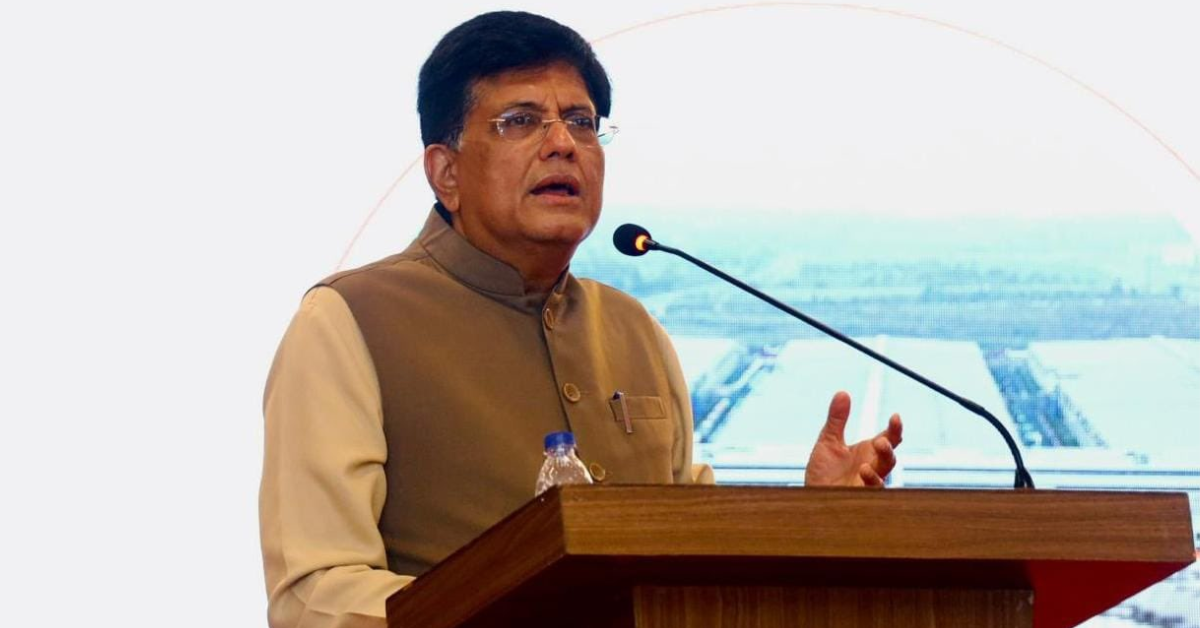
  • Manufacturing Sector to Contribute 25% to India’s Economy by 2047: Piyush Goyal

    Manufacturing Sector to Contribute 25% to India’s Economy by 2047: Piyush Goyal

    piyush goyal

    Manufacturing Sector to Contribute 25% to India’s Economy by 2047: Piyush Goyal

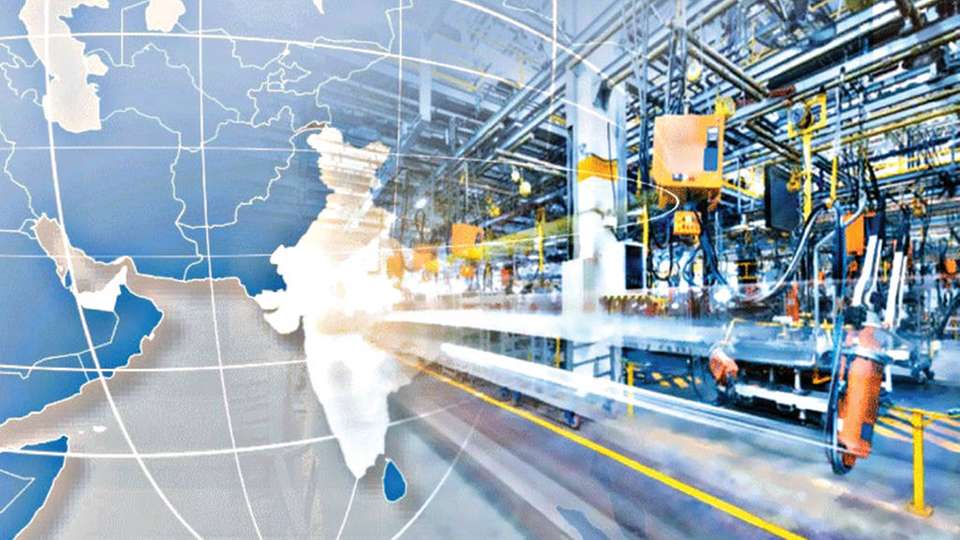
    On the 10th anniversary of the ‘Make in India’ initiative, Union Minister of Commerce and Industry Piyush Goyal emphasized the central role manufacturing will play in India’s future economic growth. Speaking on Wednesday, Goyal projected that by 2047, the manufacturing sector will contribute 25% to India’s economy.

    “As we enter Amrit Kaal, India’s manufacturing base will steadily expand to meet both domestic and global demands. By 2047, manufacturing will account for a quarter of the economy. We also expect the rise of more industrial townships equipped with modern plug-and-play infrastructure,” Goyal stated in an interview with ANI.

    He highlighted India’s transformation into a global manufacturing hub, crediting the collaborative efforts between public and private sectors, both within the country and internationally. “The world now views India as a key destination for manufacturing,” Goyal added.

    Reflecting on the economic progress of the past decade, Goyal drew comparisons to the earlier period under previous administrations, referring to the time between 2004 to 2014 as a “lost decade.”

    “From 2004 to 2014, India experienced economic stagnation. Investor confidence was eroded, corruption was rampant, and getting environmental clearances was nearly impossible during the Congress administration. The economy faltered, foreign exchange reserves and growth plummeted, the rupee depreciated, and inflation soared. Domestic investments stalled, and the overall outlook was bleak. But in 2014, PM Modi took charge, transforming the last decade into one where macro-economic fundamentals were strengthened. Initiatives like Startup India, One District One Product, and the creation of 20 new industrial smart cities were launched, compliance burdens were reduced, and ease of doing business rankings improved,” he explained.

    Goyal also pointed to the surge in job creation driven by the manufacturing sector, citing the success of Apple’s iPhone 16, which is now made in India. “The iPhone 16 is being manufactured by women working at a factory in Chennai, Tamil Nadu. Similarly, India, once a country that imported air conditioners, has now emerged as a global manufacturer and exporter of air conditioning equipment, with 50% of components produced domestically. With four new compressor plants coming online, India will soon be a major exporter of air conditioners.”

    He further noted that as the manufacturing sector grows, it fosters job creation in multiple areas, including factory construction, housing, infrastructure development, and logistics. “Manufacturing not only creates jobs but builds an ecosystem that fosters entrepreneurship and provides employment for young men and women. Let the critics continue, but the reality is clear: manufacturing is driving India’s economic success,” Goyal concluded.


  • Watch out for cybersecurity Threats in India

    Watch out for cybersecurity Threats in India

    Keep an eye out for cybersecurity threats

    cybersecurity

    India’s digital revolution is booming, but with growth comes a surge of cyber threats targeting everything from personal data to critical infrastructure. Cybercriminals are becoming increasingly sophisticated, making cybersecurity a pressing concern. Let’s explore the major cybersecurity threats in India and how we can combat them.

    Cybercrime is on the rise

    India is among the top targets for cyberattacks worldwide. With millions of new users online, cybercriminals exploit the rapid shift to digital platforms. From ransomware to phishing, these threats are wreaking havoc across various sectors.

    Some of the major security threats are

    Phishing Scams: Cybercriminals often disguise themselves as trusted entities, sending deceptive emails to steal sensitive information. These scams are getting more sophisticated, making them harder to detect

    Ransomware: This type of malware locks users out of their data, demanding a ransom for its release. High-profile attacks on healthcare and financial institutions have highlighted the vulnerabilities in critical systems.

    Malware and Spyware: Malware infiltrates devices through shady downloads or malicious ads, while spyware silently gathers data without user knowledge. Both pose significant risks to personal and organizational security.

    Data Breaches: Weak security measures make many companies easy targets for hackers. Data breaches can lead to the theft of personal information and financial data, causing major reputational damage.

    DDoS Attacks: Distributed Denial-of-Service attacks flood websites with traffic, crashing servers and disrupting business operations. These attacks can severely impact e-commerce and online services.

    There are several challenges we face trying to combat these threats,

     A significant challenge is the lack of cybersecurity awareness among individuals and businesses. Many fall victim to scams due to ignorance of basic security practices. There’s a critical shortage of skilled cybersecurity professionals in India. The gap between demand and supply hinders effective protection against cyber threats. Many organizations, particularly small businesses, underinvest in cybersecurity, leaving them vulnerable to attacks.

     Fighting Back: India’s Cybersecurity Response

    • Government Initiatives: The Indian government is actively enhancing cybersecurity through initiatives like the National Cyber Security Policy and Cyber Swachhta Kendra, aimed at promoting best practices and improving resilience.
    • Public Awareness Campaigns: Educating the public about cybersecurity is essential. Awareness campaigns can help individuals recognize threats and adopt safer online behaviors.
    • Strengthening Regulations: Enhanced laws and enforcement can deter cybercriminals. A dynamic regulatory framework is needed to keep pace with evolving threats.
    • Investing in Technology: Embracing advanced technologies like AI and machine learning can help organizations detect and respond to threats in real time.

    Conclusion

    As India embraces the digital age, prioritizing cybersecurity is crucial. The threats are real and evolving, but with awareness, technology, and collaboration, India can turn the tide against cybercrime. It’s time to build a safer digital future, ensuring that technological benefits are not overshadowed by risks. If you are being scammed, you can report the incident to the cyber crime portal : 

    https://cybercrime.gov.in/Webform/Helpline.aspx

  • CGTMSE Increases Credit Guarantee for Women MSMEs to 90%

    CGTMSE Increases Credit Guarantee for Women MSMEs to 90%

    CGTMSE

    CGTMSE Increases Credit Guarantee for Women MSMEs to 90%

    The MSME Ministry has announced that women-owned micro and small enterprises (MSEs) will now benefit from increased credit guarantee coverage under the Credit Guarantee Fund Trust for Micro and Small Enterprises (CGTMSE) scheme. The move, aimed at boosting women’s entrepreneurship, will see credit guarantees for women-owned MSMEs rise to 90%, enhancing their access to collateral-free loans.

    This new measure was highlighted by MSME Minister Jitan Ram Manjhi during a press conference discussing the ministry’s achievements over the past 100 days. The change, approved by the CGTMSE Board on September 9, 2024, also includes provisions to reduce the annual guarantee fee, further improving credit access for women entrepreneurs.

    According to the ministry, approximately 27 lakh women-led MSMEs are expected to benefit from the initiative. The CGTMSE scheme was previously extended to women-owned MSEs in December 2022, offering an 85% credit guarantee on loans up to Rs 2 crore, which was later increased to Rs 5 crore.

    The government’s goal is to facilitate Rs 5 lakh crore in credit guarantees for MSEs over the next two years through the CGTMSE scheme. In FY24, the credit guarantee amount doubled to Rs 2 lakh crore, marking the highest ever in a single fiscal year. In comparison, FY23 saw Rs 1.04 lakh crore approved across 11.65 lakh guarantees, while FY22 recorded Rs 56,172 crore across 7.17 lakh guarantees.

    To further support women entrepreneurs, the ministry launched the Yashasvini Campaign in June 2023, aimed at raising awareness about government schemes, formalizing businesses, and building capacity for women entrepreneurs. The campaign kicked off in Jaipur in July with over 4,000 Udyam and UAP registrations, followed by a second event in Ranchi on September 11, involving 200 women entrepreneurs and self-help groups.

    The press conference also highlighted the growth in Udyam registrations, which surged from 1.06 crore in 2023 to 5.07 crore in 2024, benefiting approximately 21 crore people through job creation. Additionally, under the Prime Minister’s Employment Generation Programme (PMEGP), 26,426 new micro enterprises were established, with loan disbursements totaling Rs 3,148 crore in the last 100 days, expected to create employment for 2.11 lakh individuals.

  • IIMA Ventures Launches Growth Accelerator 2.0 to Support 15 SMEs

    IIMA Ventures Launches Growth Accelerator 2.0 to Support 15 SMEs

    SME

    IIMA Ventures Launches Growth Accelerator 2.0 to Support 15 SMEs

    Participants will start with a three-day bootcamp at the IIM Ahmedabad campus, featuring workshops and sessions on scaling businesses, led by IIMA faculty.

    IIMA Ventures, the startup incubator of IIM Ahmedabad, has launched Growth Accelerator 2.0, designed to support 15 SMEs, family businesses, and growth-stage startups in driving strategic growth and innovation. The program will offer knowledge sessions, masterclasses, workshops, founder talks, diagnostic panels, and mentoring clinics to help participants seize growth opportunities.

    Founded in 2002, IIMA Ventures focuses on studying, educating, incubating, accelerating, and investing in early-stage startups, aspiring entrepreneurs, and investors. Partner-Incubation, Chintan Bakshi, explained that the accelerator addresses significant gaps in the Indian SME ecosystem. “SMEs, despite being crucial to the economy, often struggle to leverage innovation for rapid growth. Tools like emerging technologies, business optimization, and lean startup frameworks can unlock growth potential for them,” he said.

    For established businesses, rapid growth often demands not only resources but also the ability to execute strategies effectively. Growth Accelerator 2.0 provides a structured environment for leaders to experiment with and implement new strategies, whether through streamlining operations, adopting scalable technologies, or building competitive advantages.

    Participants will begin their journey with a three-day intensive bootcamp at the IIM Ahmedabad campus, where faculty-led workshops will focus on scaling businesses. Successful entrepreneurs will also share real-world insights on business growth. Over the following two months, participants will receive personalized mentorship from domain experts to help them overcome their specific challenges.

    Regarding selection, Bakshi added that the process is ongoing. The selection focuses on businesses that have validated their models, achieved steady sales, and whose leaders are committed to experimenting with change. “We assess entrepreneurs willing to work with us to accurately identify and invest in growth areas,” he said.

    The Growth Accelerator is open to leaders across all sectors, including second and third-generation entrepreneurs aiming to scale operations. The program kicks off in mid-October and runs annually.

    The first batch of the accelerator supported 10 businesses from various sectors, including engineering, auto parts, FMCG, furniture manufacturing, agricultural equipment, and skills training. Participants came from cities like Vadodara, Ahmedabad, Indore, and Jamshedpur, with many from smaller, non-metro areas. In 2023, they developed growth strategies aimed at scaling their businesses by 5 to 10 times.

  • RBI Governor Recommends a Balanced Multi-Sectoral Focus

    RBI Governor Recommends a Balanced Multi-Sectoral Focus

    Reserve bank of India

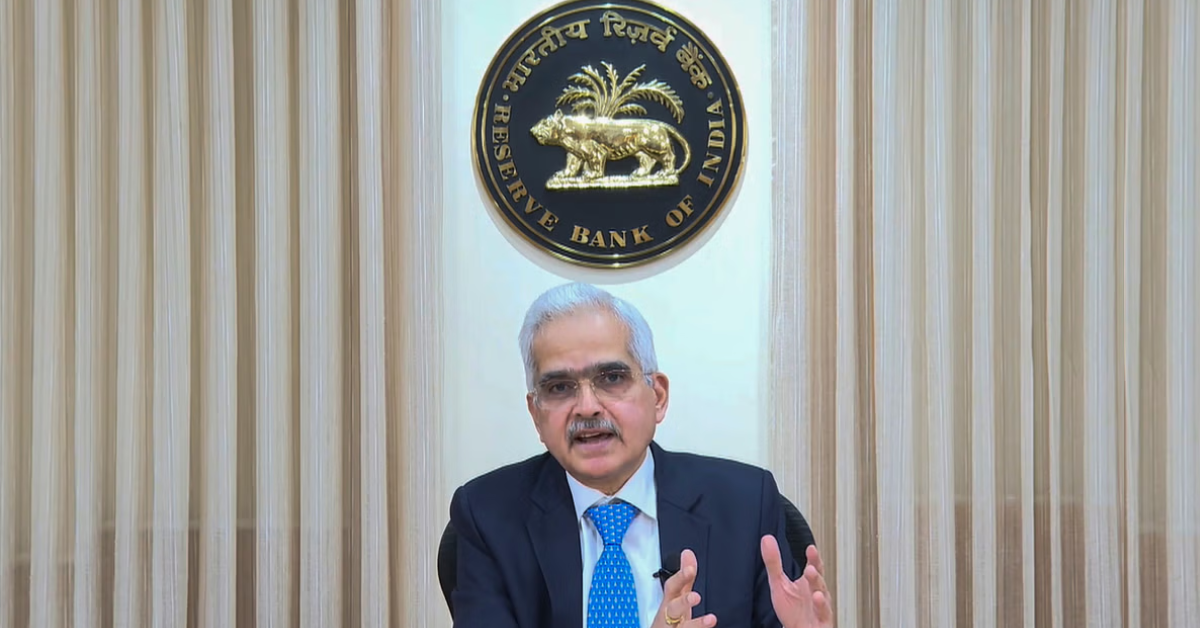
    RBI Governor Recommends a Balanced Multi-Sectoral Focus Amid Manufacturing vs. Services Debate

    Speaking at an event in Delhi, Reserve Bank of India (RBI) Governor Shaktikanta Das highlighted India’s potential growth rate at 7.5% and projected that the economy could “eventually” grow at 8%, adding that growth for the current year is expected to be 7.2%.

    At a time when many policymakers and economic experts are debating whether India should prioritize manufacturing or services to drive economic growth, Das took a middle-ground approach. He emphasized that the country should not limit itself to one sector but instead focus on a multi-sectoral strategy.

    Das stated that India’s economy, with its diverse sectors and 1.4 billion population, must embrace a balanced approach. “For a large country like India, with a diverse economy and many sectors and sub-sectors, each sector plays its own important role. So, India has to adopt a multi-sectoral approach,” he said during his speech at the Capital Foundation Society (CFS) awards event, where he was honored with a lifetime achievement award.

    His remarks come amid prominent debates in economic circles. Former RBI Governor Raghuram Rajan has voiced concerns over India’s heavy focus on manufacturing at the expense of the services sector, which he believes has greater potential due to the country’s strong human capital. Rajan argued that India’s services industry could offer a more sustainable and climate-friendly path to growth. In contrast, Finance Minister Nirmala Sitharaman has stressed the need for India to enhance its presence in global manufacturing, stating that the sector must grow to help India become self-reliant and benefit from the post-pandemic shift in global supply chains away from China.

    Das acknowledged both sides of the debate, noting that reforms such as the Production-Linked Incentive (PLI) scheme and the One Nation One Product (ODOP) initiative are already supporting the manufacturing sector. However, he also recognized the strengths of India’s services sector, particularly in areas like Global Capability Centres, where Indian entrepreneurship thrives.

    Additionally, Das stressed the importance of continuing the country’s reform momentum, particularly in areas like land, labor, and agricultural marketing, to further bolster economic growth.

    Regarding overall growth, Das expressed optimism about India’s economic resilience at a time when global growth is slowing and the economic drivers are shifting from developed nations to emerging markets. “The potential growth rate for India over the medium-term, which is the next three to four years, stands at 7.5%. This year, we estimate growth at 7.2%, but eventually, the Indian economy has the capability to grow at 8%,” he said, while adding that this assessment is conservative and measured.

    Das’s forecast comes in the midst of contrasting views from other economic commentators, such as Axis Bank chief economist Neelkanth Mishra, who believes that sustained growth at 8% is unlikely, with 7% being a more realistic target. Nonetheless, Das remains cautiously optimistic about India’s long-term economic potential.

  • Centre to Train Tribal Students in Semiconductor Technology

    Centre to Train Tribal Students in Semiconductor Technology

    semi conductor

    Centre to Train Tribal Students in Semiconductor Technology

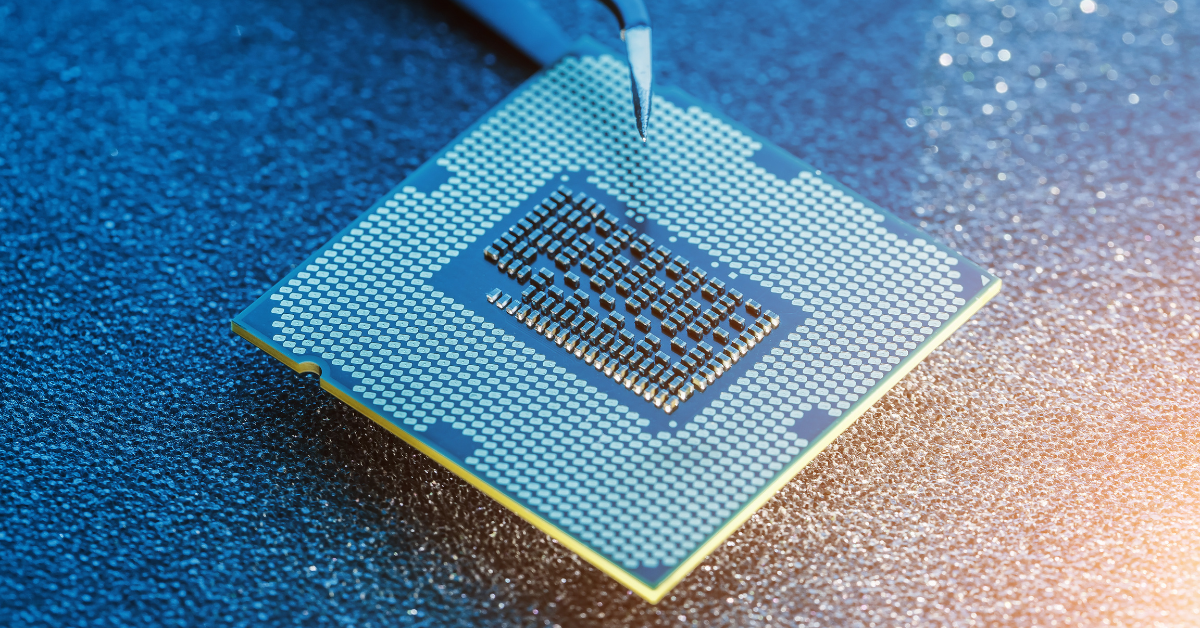
    The Ministry of Tribal Affairs has launched a new initiative to equip tribal students with skills in semiconductor technology, crucial for manufacturing electronic devices such as smartphones and computers. This initiative is being implemented by the Indian Institute of Science (IISc) in Bengaluru, to train 2,100 tribal students over the next three years, Union Minister Durga Das Uikey announced in a written reply to the Lok Sabha on Thursday.

    As part of a broader effort to enhance education and opportunities for tribal communities, the project will provide National Skills Qualification Framework (NSQF) certified training in semiconductor technology. The ministry aims to deliver level 6.0 and 6.5 training to these students, according to an official statement released on August 8.

    The collaboration between the Ministry of Tribal Affairs and IISc Bangalore will offer basic training to 1,500 tribal students and advanced training to 600 tribal students in semiconductor technology over the next three years. Tribal students with a degree in engineering-related subjects are eligible to apply for this program.

    According to IISc, Bengaluru, the Ministry of Electronics and Information Technology (MeitY) has established six large Nano Centres, including IISc, to provide training in semiconductor technology. These centers also represent tribal communities in their degree programs, adhering to reservation policies. In addition to degree programs, the Nano Centres conduct short-term training under the Indian Nanoelectronics Users’ Programme (INUP).

    MeitY launched the INUP about a decade ago to enhance skilled manpower in micro and nanoelectronics. However, the collaboration with the Ministry of Tribal Affairs marks the first training program specifically dedicated to tribal communities, as noted in the official statement.

    The central government has been actively working to develop the semiconductor ecosystem in India. Recent initiatives include the Union Cabinet’s approval in February to establish three semiconductor units under the Development of Semiconductors and Display Manufacturing Ecosystems in India, with construction set to begin within the next 100 days. The program, announced on December 21, 2021, has a total budget of Rs 76,000 crore.

    In June 2023, the Union Cabinet approved Micron’s proposal to set up a semiconductor unit in Sanand, Gujarat. On August 3, a groundbreaking ceremony (Bhumi Pujan) was held for Tata’s semiconductor unit in Morigaon, Assam. The Tata facility, with an investment of Rs 27,000 crore, is expected to create over 27,000 direct and indirect jobs in the region, according to information available on the Tata Group’s website. Tata Electronics, a wholly-owned subsidiary of Tata Sons, will oversee the construction of this facility.

  • Digital Competition Bill Could Undermine MSME Ecosystem, Say Small and Medium Businesses

    Digital Competition Bill Could Undermine MSME Ecosystem, Say Small and Medium Businesses

    Digital Competition Bill

    Digital Competition Bill Could Undermine MSME Ecosystem, Say Small and Medium Businesses

    Members of the India SME Forum, the largest association of SMEs in the country, expressed concerns that the Digital Competition Bill (DCB) could adversely affect the MSME ecosystem and hinder India’s Viksit Bharat goals.

    The industry body, representing small and medium enterprises (SMEs), warned on August 7 that the DCB could deter foreign direct investment (FDI) and limit the global competitiveness of MSMEs.

    The Indian SME Forum hosted a roundtable in New Delhi to discuss the potential implications of the DCB on MSMEs and startups. The draft of the DCB, which was released in February, aims to address anti-competitive practices by Big Tech. However, it has faced widespread criticism from Indian businesses and startups, who argue that the bill could negatively impact their operations.

    Vinod Kumar, President of the India SME Forum (ISF), emphasized during the roundtable that India has a unique opportunity to benefit from companies moving out of China. “Any regulation like the DCB could become a stumbling block in attracting FDI and promoting the global competitiveness of MSMEs,” Kumar stated.

    Kumar also highlighted MSMEs’ concerns over the proposed ex-ante regulations—measures introduced in anticipation of certain impacts—especially those related to the use of personal data.

    Aditi Madan, founder of Blue Pine Foods, stressed the importance of ensuring that SMEs have access to relevant information in the digital market economy. “Policy priorities should focus on directly engaging with SMEs during the creation process to ensure their needs and perspectives are adequately addressed,” she said.

    Debashish Das, CEO of ElenchusHR Solutions, warned that overly stringent regulations could push businesses back to manual processes “reminiscent of the 70s and 80s,” hindering progress.

    Amit Agrawal, founder of DSI Robotics, echoed these concerns, stating, “The Digital Competition Bill presents a safety paradox and could impose an undue compliance burden on small businesses, as has happened in the past.”

  • India’s Manufacturing Sector Growth Slows in July Amid Softer Orders and Output

    India’s Manufacturing Sector Growth Slows in July Amid Softer Orders and Output

    manufacturing sector

    India’s Manufacturing Sector Growth Slows in July Amid Softer Orders and Output

    New Delhi: India’s manufacturing activity eased slightly in July due to softer increases in new orders and output, following a recovery in June from a three-month low in May.

    The HSBC final India Manufacturing Purchasing Managers Index (PMI), compiled by S&P Global, recorded 58.1 in July, compared to 58.3 in June, 57.5 in May, and 58.8 in April. This index is based on responses from around 400 manufacturers.

    Although the July reading was marginally lower than the flash projection of 58.5 released last month, it remained above both its long-term average and the 50-point threshold separating contraction from expansion, marking nearly three years of continuous growth.

    “India’s manufacturing sector continued to post impressive growth in July, despite slightly softer increases in new orders and output. Key positive developments included one of the fastest expansions in international sales in over 13 years and another robust round of job creation,” the report stated.

    However, strong demand also led to price pressures, with input costs rising at one of the quickest rates in nearly two years, resulting in the steepest increase in selling prices since October 2013.

    Buoyant Demand

    The report highlighted that buoyant demand had a positive ripple effect across the manufacturing industry, particularly through a substantial increase in new work intakes. Despite a slowdown since June, the pace of sales growth remained sharp, with production volumes significantly raised at the start of the second fiscal quarter.

    “India’s headline manufacturing PMI showed a marginal slowdown in the pace of expansion in July, but with most components remaining at robust levels, the small drop is no cause for concern,” said Pranjul Bhandari, chief India economist at HSBC. “New export orders remain a bright spot… The continuous increase in the output price index, driven by input and labor cost pressures, may signal further inflationary pressure in the economy.”

    Normal Monsoon Predicted

    The Reserve Bank of India (RBI) has raised its FY25 GDP growth forecast from 7% to 7.2%, supported by improved rural and urban demand and predictions of a normal monsoon. These monsoon predictions are positive for agricultural output growth, with robust government capital expenditure, strong investment demand, and upbeat consumer and business sentiment contributing to the resilience of the Indian economy. However, geopolitical tensions and divergent monetary policies of major central banks have increased uncertainty.

    In its June meeting, the RBI’s Monetary Policy Committee kept the benchmark rate at 6.25%. Retail inflation, which spiked to a four-month high of 5.08% in June, poses a challenge for policymakers aiming to reduce interest rates. The rise in June was mainly due to higher food inflation, which accounts for nearly 40% of the consumer price basket.

    The PMI report noted that Indian goods producers raised selling prices to protect margins from cost increases. Firms cited higher fees for raw materials, increased labor costs, and strong demand as reasons for the upward adjustments to output charges.

    “Amid reports of strengthening demand from clients based in Asia, Europe, North America, and the Middle East, Indian manufacturers experienced a robust increase in international sales during July,” the report added.

  • SEBI orders probe against SME IPO merchant banker for alleged violations while managing issues: Report

    SEBI orders probe against SME IPO merchant banker for alleged violations while managing issues: Report

    SEBI

    SEBI orders probe against SME IPO merchant banker for alleged violations while managing issues: Report

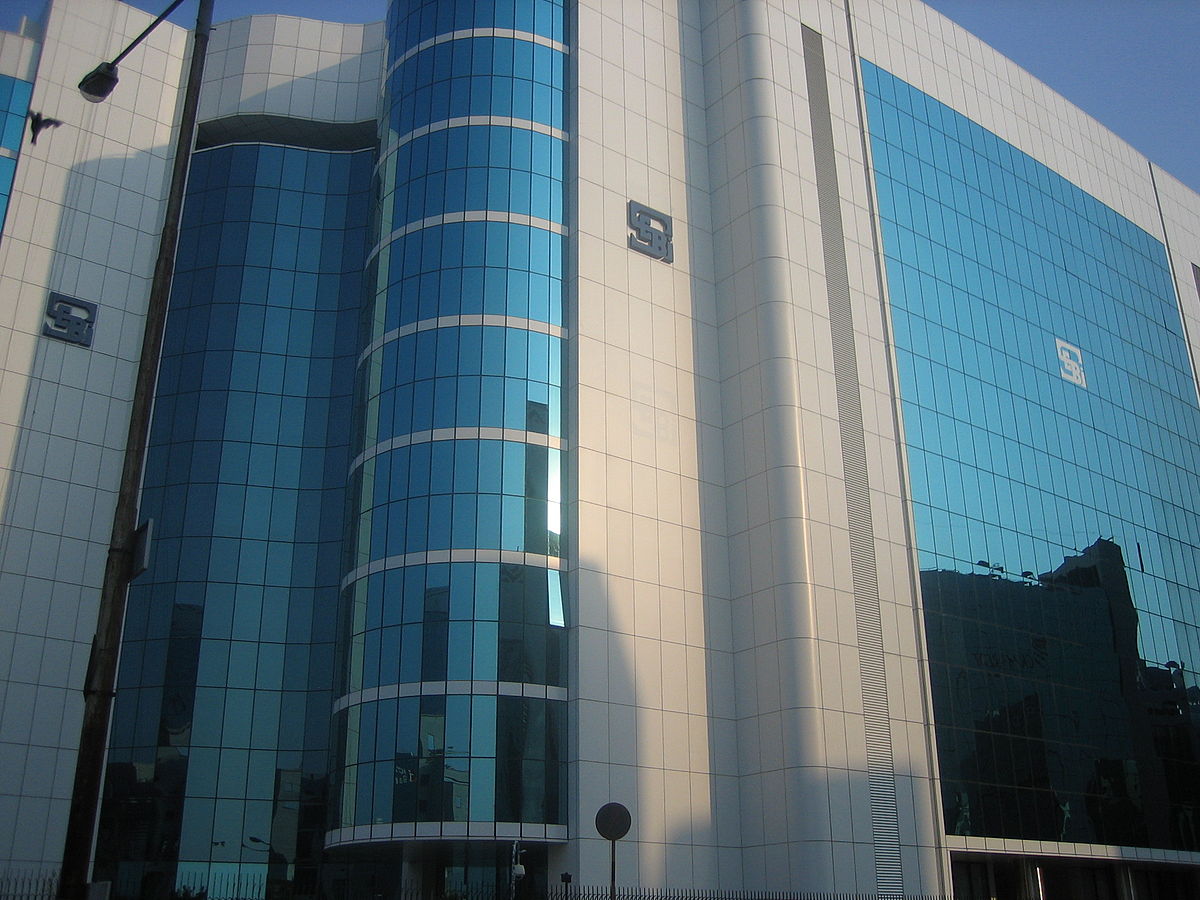
    SEBI ordered an inspection of Corporate Capital Ventures and probed the operations and activities of the entity and its directors between August 2022 and June 2024.

    Capital markets regulator Securities and Exchange Board of India (SEBI) is reportedly investigating Corporate Capital Ventures Limited. The Delhi-based merchant banker, which has managed some initial public offers (IPOs) of small and medium enterprises (SMEs), has come under the regulatory scanner for alleged violations of merchant banking regulations while managing public issues.

    According to a report by news website Moneycontrol, SEBI has issued a notice to the merchant banking entity and named the company’s directors – Kulbhushan Parashar and Harpreet Kaur – along with a few other entities in the notice. The report added that the market watchdog’s investigation was triggered after it received an anonymous complaint alleging that Kulbhushan Parashar, through his relatives, bought shares in companies before taking them public.

    SEBI ordered an inspection of the firm and probed the operations and activities of the entity and its directors between August 2022 and June 2024. During this period, Corporate Capital Ventures acted as the merchant banker for six SME IPOs: Oriana Power, Annapurna Swadisht, Droneacharya Aerial Innovations, Crayons Advertising, Creative Graphics Solutions India, and Rocking Deals Circular Economy.

    According to the anonymous complaint received by SEBI, relatives of Kulbhushan Parashar were allotted 25,000 equity shares of Oriana Power on a private placement basis and 25,000 bonus shares. The allotment was made to Jagdish Kumar Prasad, and the IPO prospectus of Rockingdeals has listed Prasad as an immediate relative of Kulbhushan Parashar.

    NSE imposes price control cap of 90% on SME IPO
    Last month, NSE imposed a 90 per cent price control cap on SME IPOs amid rising concerns about froth in lesser-known SME stocks. “To standardise the opening price discovery and equilibrium price across exchanges during the special pre-open session for IPO on the SME platform, it has been decided to put an overall capping of up to 90 per cent over the issue price for SME IPOs,” said NSE in a circular.

    The market regulator is already working on strengthening the eligibility criteria for the segment to ensure that fundamentally strong companies enter the market through the SME platform, launched in 2012. Earlier this year, SEBI chairperson Madhabi Puri Buch said some issuers and bankers were misusing the framework provided for SME listing. According to Buch, SEBI is collecting evidence following complaints of price manipulation in the segment.


  • India Elected Vice-Chair of Indo-Pacific Supply Chain Council

    India Elected Vice-Chair of Indo-Pacific Supply Chain Council

    IPEF

    India Elected Vice-Chair of Indo-Pacific Supply Chain Council

    India has been elected as Vice-Chair of the Supply Chain Council, the Commerce and Industry Ministry announced on Wednesday.

    In a significant milestone, the 14 partner countries of the Indo-Pacific Economic Framework (IPEF) have established three councils to enhance economic cooperation in the region. Under the Indo-Pacific Economic Framework for Prosperity (IPEF) Agreement related to Supply Chain Resilience, this step is seen as a move to find alternatives to China for the production of goods.

    The inaugural virtual meetings of the Supply Chain Council (SCC), Crisis Response Network (CRN), and Labor Rights Advisory Board (LRAB) marked a major advancement in cooperation among partner countries for strengthening supply chain resilience in the region, according to the Commerce Ministry.

    During these meetings, the 14 IPEF partners reaffirmed their commitment to closer cooperation to enhance the resilience and competitiveness of critical supply chains, preparing for and responding to supply chain disruptions that threaten economic prosperity while strengthening labor rights.

    India is expected to play a crucial role in developing a resilient Supply Chain in the Indo-Pacific region. In June 2024, at the IPEF Ministerial meeting in Singapore, Secretary of the Department of Commerce, Sunil Barthwal, highlighted India’s potential to become a major player in the global supply chain due to its skilled manpower, natural resources, and policy support. Government initiatives are actively seeking solutions to ensure India’s participation in diverse and predictable supply chains.

    As part of the Supply Chain Agreement, the IPEF partners established three supply chain bodies: a Supply Chain Council to focus on strengthening supply chains for critical sectors and goods, a Crisis Response Network to facilitate a collective emergency response to disruptions, and a Labor Rights Advisory Board to strengthen labor rights and workforce development across regional supply chains.

    India shared its views on the importance of a resilient supply chain network and ongoing consultations with stakeholders on critical sectors from the perspective of national security, public health, and economic well-being. Emphasis was placed on collaboration in the skill development sector, identifying gaps, and ensuring the right skills across economies, including technical assistance for workforce development and digitalization for a resilient supply chain ecosystem.

    During the meetings, each of the three supply chain bodies elected a Chair and Vice Chair for a term of two years. The elected chairs and vice chairs are:
    – Supply Chain Council: USA (Chair) and India (Vice Chair)
    – Crisis Response Network: Republic of Korea (Chair) and Japan (Vice Chair)
    – Labor Rights Advisory Board: USA (Chair) and Fiji (Vice Chair)

    The Supply Chain Council adopted Terms of Reference and discussed initial work priorities, which will be further explored at its first in-person meeting in Washington, D.C., in September 2024 during the Supply Chain Summit. The Crisis Response Network discussed priorities, including conducting a tabletop exercise, and planned its first in-person meeting alongside the Supply Chain Summit. The Labor Rights Advisory Board discussed priorities for strengthening labor rights across IPEF supply chains and focused on labor provisions in the IPEF Clean Economy Agreement and Fair Economy Agreement.

    The IPEF partners emphasized the importance of the upcoming in-person meeting in Washington, D.C., in September 2024.

    Launched on May 23, 2022, in Tokyo, the IPEF includes 14 partner countries: Australia, Brunei, Fiji, India, Indonesia, Japan, Republic of Korea, Malaysia, New Zealand, Philippines, Singapore, Thailand, Vietnam, and the USA. The IPEF aims to strengthen economic engagement and cooperation among its member countries, promoting growth, economic stability, and prosperity in the region.

Login