Tag: India

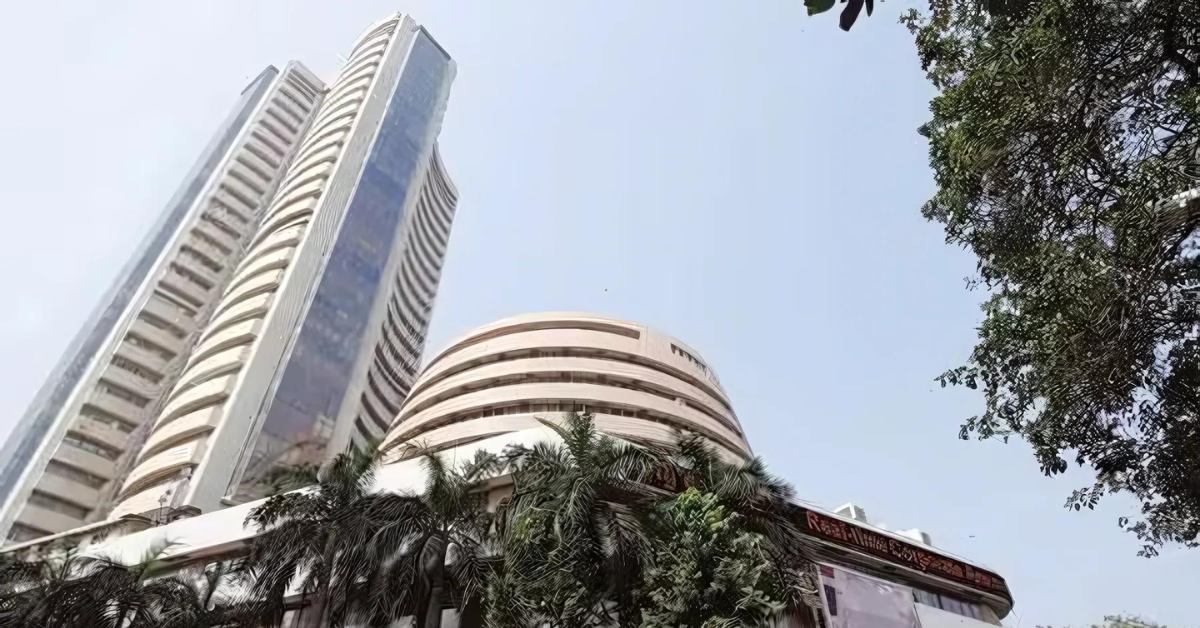
  • Subam Papers Debuts on BSE SME with 6.6% Discount Amid Ongoing Expansion and Sustainability Focus

    Subam Papers Debuts on BSE SME with 6.6% Discount Amid Ongoing Expansion and Sustainability Focus

    BSE

    Subam Papers Debuts on BSE SME with 6.6% Discount Amid Ongoing Expansion and Sustainability Focus

    Subam Papers made its stock market debut on the BSE SME platform with a 6.6% discount, listing at ₹142 compared to the issue price of ₹152. This debut comes as the company continues its expansion in the manufacturing of Kraft Paper and Duplex Board. The initial stock performance indicates market caution, despite the company’s positive growth trajectory.

    Subam Papers, founded in 2004, started with paper cones and later expanded to Kraft paper and Duplex board production. Notably, the company emphasizes sustainability, using wastepaper as the primary raw material, avoiding wood pulp, and operating on renewable energy sources like wind and solar power. With two windmills totaling 1.7 MW and a 14 MW solar plant, Subam Papers significantly reduces its environmental footprint, aligning its operations with eco-friendly practices.

    In FY 2023-24, Subam Papers had an installed capacity of 300 metric tons per day (MTPD) for Kraft paper and 140 MTPD for Duplex board, reaching 93,081 tons and 43,963 tons in utilization, respectively. The company is currently expanding its capacity and aims to exceed 1,000 MTPD by Q4 FY 2024-25.

    For the fiscal year ending March 2024, Subam Papers reported total revenues of ₹497 crore and a net profit of ₹33.44 crore. The funds raised from the public offering will be directed toward investment in its subsidiary, financing capital expenditures, and covering general corporate purposes.

  • Samsung Electronics Workers’ Strike Enters Fourth Week, Posing Challenge to India’s Manufacturing Hub Ambitions

    Samsung Electronics Workers’ Strike Enters Fourth Week, Posing Challenge to India’s Manufacturing Hub Ambitions

    Samsung

    Samsung Electronics Workers’ Strike Enters Fourth Week, Posing Challenge to India’s Manufacturing Hub Ambitions

    India’s efforts to position itself as a major manufacturing hub, an alternative to China, are facing a significant setback as over 1,000 workers at Samsung Electronics’ home appliances plant in Tamil Nadu continue their strike, now entering its fourth week. The workers have been protesting since September 9, demanding higher wages, union recognition, and adherence to an eight-hour workday. The factory, located in Chennai, accounts for nearly 20% of Samsung’s annual revenue in India, which stood at $12 billion for 2022-23.

    On October 3, local police detained 912 workers and union members during a street protest. They were released later, but the authorities have filed cases against them under eight different sections. The strike is primarily led by the Centre of Indian Trade Unions (CITU), with its state president, Soundarrajan, criticizing the Tamil Nadu government for failing to support the workers despite pre-election promises.

    Samsung, in a statement, emphasized that the average salary of full-time workers at the plant is nearly double that of similar workers in the region. It also indicated a willingness to engage in discussions to resolve the dispute. However, the company has labeled the strike illegal and taken legal action against CITU members, warning workers that they risk losing their jobs if they continue the protest.

    Workers’ Demands and Union Recognition
    The striking workers, who earn an average of Rs 25,000 ($300) per month, are demanding a wage increase to Rs 36,000 over the next three years. Central to their demands is the recognition of the newly formed Samsung India Labour Welfare Union (SILWU), which workers believe is essential for negotiating better wages and working conditions.

    CITU has joined the protests in solidarity, with union leaders voicing frustration over delays in recognizing SILWU. Police actions, including the detention of 120 employees and a CITU district secretary on September 16, have further escalated tensions. There are concerns that protests could expand across the state if demands are not met.

    Impact on Tamil Nadu’s Investment Drive
    The unrest at Samsung’s Chennai plant could undermine Tamil Nadu’s image as a preferred investment destination. The state has been working to attract high-profile investments, with recent developments such as Ford Motor’s plan to re-enter the Indian market by repurposing its Chennai plant for exports. Additionally, Tata Motors recently held a groundbreaking ceremony for a new manufacturing facility in Ranipet, set to produce next-generation vehicles for both Tata and Jaguar Land Rover (JLR). Tata Motors plans to invest Rs 9,000 crore in this facility, which is expected to have an annual production capacity of over 250,000 vehicles.

    However, disruptions at other key facilities, like Tata Electronics’ plant in Hosur, where a fire has temporarily halted production, further highlight the challenges facing Tamil Nadu’s industrial ambitions.

    Potential Long-term Consequences
    The ongoing strike at Samsung’s Chennai plant underscores broader concerns about labor relations and industrial unrest in India, especially at a time when the country is trying to establish itself as a global manufacturing hub. If the dispute continues, it could not only affect Samsung’s operations but also deter potential investors who are considering Tamil Nadu as a destination for setting up manufacturing units.

    The outcome of the strike will likely have broader implications for India’s manufacturing landscape, particularly as the government seeks to attract foreign investment and strengthen its position as a global production powerhouse.
  • Government Mulls ‘Made in India’ Label to Strengthen Global Brand Identity

    Government Mulls ‘Made in India’ Label to Strengthen Global Brand Identity

    made in India

    Government Mulls ‘Made in India’ Label to Strengthen Global Brand Identity

    The Indian government is exploring a proposal to introduce a ‘Made in India’ label to promote Indian products globally and create a distinct brand identity, similar to the successful branding of ‘Made in Japan’ or ‘Made in Switzerland,’ according to an official source. A high-level committee is currently reviewing the specifics of the potential scheme.

    The goal is to establish a strong association between India and high-quality goods in the minds of global consumers. For instance, just as Switzerland is often linked to watches, chocolates, and banking systems, the aim is to associate India with excellence in certain sectors, such as textiles, where the country already has a strong foothold.

    Government discussions are focusing on whether the scheme should target specific sectors, such as textiles, where India is already recognized for its strengths. The initiative will complement the existing efforts of the India Brand Equity Foundation (IBEF), a trust set up by the Department of Commerce to promote awareness of Indian products and services in international markets.

    Experts emphasize that consistent quality is essential to building a successful ‘Brand India.’ Ajay Srivastava, founder of the think tank Global Trade Research Initiative (GTRI), suggested that India’s branding strategy should focus on promoting high-quality products, improving substandard offerings, and taking actions to enhance overall product reliability.

    Drawing a parallel with China’s strategy, Srivastava explained how China built a reputation for contract manufacturing from 1990 to 2010 without aggressively branding itself. Only after achieving consistent product quality did China promote its own brands.

    Srivastava proposed the creation of a unified ‘India Quality Product’ label to signal excellence and reliability. Manufacturers and exporters would need to meet specific standards to use this label, starting with sectors like garments, shoes, and handicrafts, before expanding to electronics and engineering products.

    Ensuring product consistency and enforcing strict actions against substandard suppliers, as demonstrated by India’s pharmaceutical industry, is critical to protecting the reputation of Indian goods on the global stage.

  • India’s Manufacturing Sector Growth: 7% in Q1 Signals Further Potential

    India’s Manufacturing Sector Growth: 7% in Q1 Signals Further Potential

    manufacturing India

    India’s Manufacturing Sector Growth: 7% in Q1 Signals Further Potential

    India’s manufacturing sector experienced solid growth of 7% in the first quarter of fiscal year 2024-25, demonstrating its continued potential as a driver of economic expansion. Despite the country’s overall GDP growth slowing to 6.7%, down from 8.2% in the same period last year, the manufacturing sector remains a key pillar of development. This growth, though down 1.9% from the previous quarter, still represents a strong performance compared to the 5% recorded in Q1 last fiscal year.

    The Narendra Modi-led government has consistently prioritized the development of the manufacturing sector as part of its broader strategy to transform India into a $5 trillion economy. With initiatives such as the “Make in India” campaign and the Production Linked Incentive (PLI) scheme, the government aims to boost investment, create jobs, and increase the sector’s contribution to GDP.

    Initiatives to Boost Manufacturing

    India has long recognized the importance of the manufacturing sector in driving economic growth. The government’s focus on developing this sector began with cluster development in 1998 and has continued through various initiatives, including the National Manufacturing Policy in 2011, the “Make in India” campaign in 2014, and the PLI scheme launched in 2020. Most recently, the announcement of 12 industrial smart cities in August 2024 demonstrates the government’s ongoing commitment to creating a robust manufacturing ecosystem.

    These efforts have attracted high-profile investments in sectors such as electronics, chip manufacturing, and battery production, although the pace of investment remains slow. Employment in the manufacturing sector saw a significant 7.5% increase in 2022-23, according to the Ministry of Statistics and Programme Implementation (MoSPI).

    Future Outlook and Challenges

    Despite the government’s efforts, the manufacturing sector faces significant challenges. The Colliers report projects that India’s manufacturing market could reach $1 trillion by 2025-26, though this ambitious target may be difficult to achieve given the current contribution of $0.46 trillion. Additionally, the sector’s share of India’s Gross Value Added (GVA) has declined to 14.27% in FY 2023-24, down from the government’s target of 25%.

    The sector also faces volatile growth, with factors such as rising input costs, elevated freight charges, and disruptions in supply chains squeezing profitability. Domestic and foreign demand remain weak, with domestic demand growing by just 4.03% in FY 2023-24 and exports increasing by only 2.63%.

    Policy Recommendations

    To unlock the full potential of India’s manufacturing sector, the government must focus on stimulating demand, simplifying labor laws, rationalizing GST rates, and supporting MSMEs. The 15% tax initiative for new manufacturing companies has shown promise and should be extended, while the PLI scheme implementation needs to be streamlined to encourage more investment.

    By addressing these challenges and continuing its focus on manufacturing, India can strengthen its position as a global manufacturing powerhouse and make significant strides toward becoming a $5 trillion economy.

  • Classification of Laboratory Chemical Imports for Traders

    Classification of Laboratory Chemical Imports for Traders

    India’s Chemical Market

    Classification of Laboratory Chemical Imports for Traders

    Traders importing laboratory chemicals must classify these goods under appropriate chapters/headings in the Customs Tariff Act, 1975. According to the recent amendment through Notification No. 62/2024-Customs (N.T.), effective from 19th September 2024, imports of laboratory chemicals under Heading 9802 are restricted to actual users only. The chemicals must be in packaging not exceeding 500 grams or 500 milliliters. Therefore, laboratory chemicals imported for trading purposes, irrespective of quantity or packaging size, cannot be classified under Heading 9802 and should be classified under relevant sections in the Customs Tariff.

    EPCG Authorisations and Recent Amendment Impact

    The recent Public Notice No. 15 dated 25th July 2024, amending Para 5.15(c) of the HBP 2023, applies to EPCG authorisations issued during the 2015-20 policy period as well. As specified in the new Para 5.15(e) of the HBP, these amendments extend to past authorisations, ensuring consistency across policy periods. For EPCG authorisations issued prior to 1st April 2015, the provisions of Para 5.13(d) will apply.

    Switching from CIF to Ex-Works (Ex-W) Basis: Risks and Considerations

    Switching from CIF to Ex-Works (Ex-W) basis will shift several costs and risks to the buyer. In an Ex-W contract:

    • The seller’s obligation ends once the goods are made available at the named place and notice is given.
    • The buyer bears all costs related to loading, transportation, export duties, taxes, customs clearance, and ocean freight.
    • The buyer is responsible for marine insurance costs and any variations in insurance costs.
    • Any required export documents (licenses, inspection certificates, etc.) must be facilitated by the seller but at the buyer’s expense.
    • Delays or additional costs after taking delivery also become the buyer’s responsibility.

    Thus, importing on Ex-W terms requires careful consideration of potential cost increases and the logistical challenges involved.

    Closing IDPMS Entries for Import of Free Samples

    Banks are increasingly reluctant to close Import Data Processing and Monitoring System (IDPMS) entries based on CA certificates for small value imports like free samples. To close such entries, you may need to provide supporting documentation such as:

    • Proof of free-of-cost imports, including invoices marked as free samples.
    • Courier or customs documentation showing no monetary transaction for the goods.
    • Any relevant communication with the exporter confirming the nature of the shipment.

    If issues persist, consider discussing with the bank to understand their specific documentation requirements for closure of IDPMS entries related to free samples.

  • Bright Outlook for MSMEs in ITeS Sector, Reports CRISIL SME Tracker

    Bright Outlook for MSMEs in ITeS Sector, Reports CRISIL SME Tracker

    semi conductor

    Bright Outlook for MSMEs in ITeS Sector, Reports CRISIL SME Tracker

    The micro, small, and medium enterprises (MSMEs) in the information technology-enabled services (ITeS) sector are projected to grow by 7-9% in rupee terms to reach Rs 4.2 trillion this fiscal year. This growth is driven by a strong order pipeline and minimal impact from the global economic slowdown that affected the sector last year.

    Key drivers of this growth include the revival of deferred projects and new orders from crucial sectors such as banking, financial services, insurance, and manufacturing. MSMEs, which make up 30-40% of the industry and primarily focus on customer relationship management (CRM) services—accounting for 75% of revenue—are set to benefit from the shift toward non-voice revenue streams.

    In other ITeS areas, transaction services are expected to grow due to the rise in digital payments, while knowledge services are evolving with a greater emphasis on analytics-based offerings.

    Employee growth in the sector is forecasted to remain modest at 0-1% this fiscal year, as companies adopt a cautious stance, delaying discretionary projects and prioritizing cost efficiency and skill development over large-scale hiring.

    Looking ahead, the sector is expected to grow by 8-10% next year, driven by increased global outsourcing and offshoring for cost savings. The healthcare and travel sectors are also anticipated to experience double-digit revenue growth, further boosting the industry.


  • Amazon Great Indian Festival 2024: 8,000 Sellers Cross Rs 1 Lakh in Sales Within First 48 Hours

    Amazon Great Indian Festival 2024: 8,000 Sellers Cross Rs 1 Lakh in Sales Within First 48 Hours

    amazon

    Amazon Great Indian Festival 2024: 8,000 Sellers Cross Rs 1 Lakh in Sales Within First 48 Hours

    The Amazon Great Indian Festival 2024 kicked off with a strong start, with over 8,000 sellers surpassing Rs 1 lakh in sales within the first two days of the event, which began on September 27. Amazon reported that small and medium businesses (SMBs), including women entrepreneurs, weavers, and artisans, sold more than 1,500 units every minute during this period.

    Amazon highlighted the success of sellers from tier 2 and tier 3 cities, such as Moradabad, Saharanpur, Haridwar, Bikaner, and Jodhpur, with more than 65% of sellers receiving orders from these regions. The event also helped 20,000 SMBs double their sales compared to an average day.

    The company’s Amazon Business platform saw a 4.5X increase in new customer sign-ups, while bulk orders surged by 12X. Additionally, Amazon Bazaar, which focuses on non-branded and affordable products, witnessed a 50% growth in daily unit volumes.

    Speaking about the event, Saurabh Srivastava, Vice President of Categories at Amazon India, said the first two days marked the best-ever opening, with a record 11 crore customer visits and a significant increase in the number of Prime members shopping.

    This month-long sale coincides with Flipkart’s Big Billion Days and features a variety of products from SMB sellers who are part of Amazon’s Karigar, Saheli, Local Shops, and Launchpad programmes. The event follows Amazon’s recent reduction in selling fees, which went into effect in September.

  • India SME Forum Launches “Start Exporting in Eight Weeks” Initiative

    India SME Forum Launches “Start Exporting in Eight Weeks” Initiative

    SME

    India SME Forum Launches “Start Exporting in Eight Weeks” Initiative

    The India SME Forum (ISF), a non-profit organization supporting Small and Medium Enterprises (SMEs), launched a new initiative titled “Start Exporting in Eight Weeks”. This program, announced at the Business Beyond Borders 2024 Conference, aims to promote ‘Make in India’ products globally. The launch was attended by Minister of State for MSME, Shobha Karandlaje, alongside MSMEs and industry leaders.

    The program is part of ISF’s flagship IndiaXports initiative and is designed to enable Indian MSMEs to access international markets within just eight weeks. Working with e-commerce leaders like Amazon and other partners, the program will provide free comprehensive guidance, resources, and networking opportunities to help MSMEs explore global markets and expand their export reach.

    During the launch, Karandlaje emphasized the importance of MSMEs in India’s vision of Viksit Bharat 2047 and their role in helping India become a self-reliant and developed nation. She highlighted the need for Indian products to meet export-quality standards in today’s competitive global landscape, while stressing the importance of skilling and upskilling to achieve these goals.

    Vinod Kumar, President of the India SME Forum, remarked on the transformative power of e-commerce in breaking down traditional trade barriers. He noted that MSMEs can now reach international customers more easily by leveraging digital platforms, making global trade more accessible.

    The “Start Exporting in Eight Weeks” initiative is seen as a crucial step toward making Indian MSMEs more globally competitive and significant contributors to India’s economic growth. By providing MSMEs with the right tools, knowledge, and market access, the initiative seeks to transform Indian businesses into self-sufficient powerhouses on the global stage.

  • Over 25% of Micro and Small Enterprises in Northeast Struggling to Survive: Study

    Over 25% of Micro and Small Enterprises in Northeast Struggling to Survive: Study

    MSME Export Promotion Council

    Over 25% of Micro and Small Enterprises in Northeast Struggling to Survive: Study

    A recent study by the MSME Export Promotion Council (EPC) revealed that over 25% of micro and small enterprises (MSEs) in India’s Northeastern states are grappling with severe survival challenges. The region, home to approximately 74,000 MSMEs, faces multiple crises stemming from lack of affordable finance, rapid technological changes, and inadequate infrastructure.

    While releasing the report in New Delhi, Dr. D.S. Rawat, Chairman of MSME EPC, highlighted that although startups in the region have helped generate employment, many remain in crisis due to insufficient support from larger units or institutions.

    To address these issues, the EPC proposed a five-point strategy for reviving the struggling MSEs and fostering new startups. Key recommendations include:

    1. State Government Intervention: Establish high-powered committees to prioritize and address the challenges faced by MSMEs in the region.
    2. Conducive Environment: Develop a roadmap focused on skill development, MSME product showrooms, and stronger connections with R&D centers and global marketing agencies.
    3. New Financing Model: Collaborate with the DoNER Ministry, multilateral institutions, and private players to create a more attractive investment environment and encourage entrepreneurship.
    4. Single Window System: Introduce a ‘Single Window’ system to simplify processes for MSMEs and encourage private investment.
    5. Private Sector Engagement: Foster collaborations with innovative companies and institutions, while encouraging private-sector funding through debt instruments with tax incentives.

    The study also identified key challenges such as geographical barriers, underdeveloped transport systems, and low private-sector participation. It recommended building networks of development service providers to offer tailored solutions in technology, product development, and marketing, helping MSMEs navigate the difficult landscape.

  • BSE Pushes for Stricter Scrutiny of SME IPO Listings: Report

    BSE Pushes for Stricter Scrutiny of SME IPO Listings: Report

    BSE

    BSE Pushes for Stricter Scrutiny of SME IPO Listings

    Sundararaman Ramamurthy, the CEO of BSE Ltd., has instructed bankers to enhance their oversight of SME initial public offerings (IPOs), following concerns about inflated financial figures in recent applications. According to sources familiar with the situation, Ramamurthy emphasized the need for bankers to carefully vet IPO hopefuls and conduct in-person assessments of company premises.

    This initiative aims to raise standards in India’s rapidly expanding SME IPO market, which has drawn increased retail investment but also raised concerns among regulators. In August, India’s market regulator warned investors about potential misrepresentations by certain SMEs and their majority stakeholders.

    While BSE Ltd. and the National Stock Exchange (NSE) offer listing platforms for small companies, the demand for these listings has surged, with some IPOs being oversubscribed by up to 400 times. As a result, tighter scrutiny and more robust due diligence are being encouraged to safeguard market integrity.

    Earlier reports by Bloomberg News indicated that India’s securities regulator may also be considering additional oversight of micro-cap companies, potentially introducing measures such as monitoring the use of IPO proceeds and enforcing stricter guidelines for bankers handling these deals.

Login