

Tag: India

  • Fssai advisory on misleading “100%” food claims

    Fssai advisory on misleading “100%” food claims

    fssai

    Fssai advisory on misleading “100%” food claims

    The Food Safety and Standards Authority of India (FSSAI) has released a crucial advisory targeting misleading claims in food labelling and food advertising. This directive specifically addresses the use of “100%” claims on food product packaging. The FSSAI’s move aims to safeguard consumers from deceptive marketing practices and ensure accurate representation of food products. This advisory is a significant step towards strengthening food safety and food standards across India.

    The FSSAI’s advisory cautions Food Business Operators (FBOs) against using unqualified statements such as “100% pure”, “100% natural”, or “100% safe” on their products. These 100% claims can often mislead consumers into believing a product is entirely free from additives, contaminants, or processing, which may not always be the case. The regulator emphasises the need for transparent and truthful information on food labels to enable informed purchasing decisions.

    This advisory from the FSSAI is likely to have a considerable impact, particularly on SMEs and startups operating within India’s food sector. Many of these businesses rely heavily on marketing strategies that highlight perceived purity or naturalness to attract customers. The new guidelines will require them to reassess their current food labelling and food advertising practices to ensure compliance with food regulations and avoid potential penalties for misleading claims.

    Common Misleading Claims

    The FSSAI advisory highlights several common examples of misleading claims that FBOs often employ. One prevalent tactic involves using “100% natural” claims on products that have undergone significant processing or contain added ingredients. For example, a fruit juice labelled “100% natural” might contain added sugars or preservatives, contradicting the claim. Similarly, the term “100% pure” is frequently misused on products like honey or ghee, even when they may contain traces of adulterants or have been processed in a way that alters their original composition. These misleading claims undermine consumer trust and distort the market.

    Another area of concern is the use of “100% safe” claims. The FSSAI points out that no food product can be guaranteed to be entirely risk-free for all consumers. Factors such as individual allergies, sensitivities, or pre-existing health conditions can influence how a person reacts to a particular food. Therefore, making blanket “100% safe” statements on food packaging is considered misleading and potentially dangerous. The FSSAI emphasises that FBOs must avoid making unqualified safety assertions and instead focus on providing accurate information about ingredients, potential allergens, and proper usage instructions to promote food safety.

    Furthermore, the advisory addresses instances where companies use creative wording to imply a “100% claim” without explicitly stating it. This includes phrases like “made with 100% real ingredients” when only some of the ingredients meet that standard. Such subtle forms of deception also fall under the purview of the FSSAI’s scrutiny. The regulator is urging SMEs and larger businesses across India to review their food labelling and food advertising materials carefully to ensure they are not making any overt or implied misleading claims that could violate food regulations and compromise food standards. Compliance with these guidelines is crucial for maintaining consumer confidence and fostering a fair marketplace.

    Understanding The Regulations

    The FSSAI’s stance on “100% claims” is rooted in the Food Safety and Standards Act, 2006, and associated regulations. These regulations mandate that food labels must provide clear, accurate, and truthful information about the product’s contents, origin, and manufacturing process. The Act empowers the FSSAI to set food standards, regulate food manufacturing, distribution, and sale, and take action against FBOs that violate food regulations. The current advisory serves as a clarification and reinforcement of these existing legal provisions, specifically targeting the deceptive use of “100% claims” in food labelling and food advertising.

    Specifically, the FSSAI’s regulations pertaining to food labelling require that all ingredients be listed in descending order of weight, and any additives, preservatives, or processing aids must be clearly identified. Nutritional information, including calorie count, fat content, and sugar levels, must also be prominently displayed. The “100% claim”, when used, must be substantiated by verifiable evidence and not contradict any other information provided on the packaging. For instance, a product labelled “100% juice” must genuinely consist of only juice without any added sugars, preservatives, or artificial flavourings. Any deviation from these requirements can lead to enforcement action by the FSSAI.

    Furthermore, the FSSAI’s advisory draws attention to the broader principles of fair trade and consumer protection enshrined in Indian law. The Consumer Protection Act, 2019, prohibits unfair trade practices, including misleading food advertising and false representations about the quality, quantity, or composition of goods. By issuing this advisory, the FSSAI is reinforcing its commitment to upholding these principles and ensuring that consumers in India are not misled by deceptive marketing tactics. The FSSAI aims to create a level playing field for businesses while safeguarding the health and economic interests of consumers. This focus is important to improve food safety and food standards across India, especially for SMEs.

    Compliance And Enforcement

    The FSSAI has outlined a multi-pronged approach to ensure compliance with its advisory on misleading claims. This includes proactive monitoring of food labelling and food advertising across various platforms, from physical packaging to online advertisements. The FSSAI will conduct regular inspections of food manufacturing facilities and retail outlets to verify that FBOs are adhering to the guidelines. This rigorous oversight is designed to deter the use of misleading claims and promote transparency in the food sector. Consumers also play a vital role in enforcement by reporting suspected violations to the FSSAI.

    In cases of non-compliance, the FSSAI has the authority to take a range of enforcement actions against FBOs. These actions may include issuing warning notices, imposing monetary penalties, suspending or cancelling licenses, and even initiating legal proceedings. The severity of the penalty will depend on the nature and extent of the violation, as well as the FBO’s history of compliance. The FSSAI is committed to ensuring that penalties are proportionate and serve as a deterrent against future violations. This firm stance underscores the FSSAI’s commitment to upholding food safety and food standards.

    To further support compliance, the FSSAI plans to conduct educational outreach programs for SMEs and other stakeholders in the food industry. These programs will provide guidance on best practices for food labelling and food advertising, as well as clarification on the specific requirements of the advisory. The FSSAI believes that education and awareness are crucial for fostering a culture of compliance within the industry. These outreach programs will help FBOs understand their obligations and avoid unintentional violations of food regulations. The FSSAI advisory is designed to protect consumers from misleading claims and promote fair competition in the Indian food market.

  • Govt notifies sez reforms

    Govt notifies sez reforms

    sez

    Govt notifies sez reforms

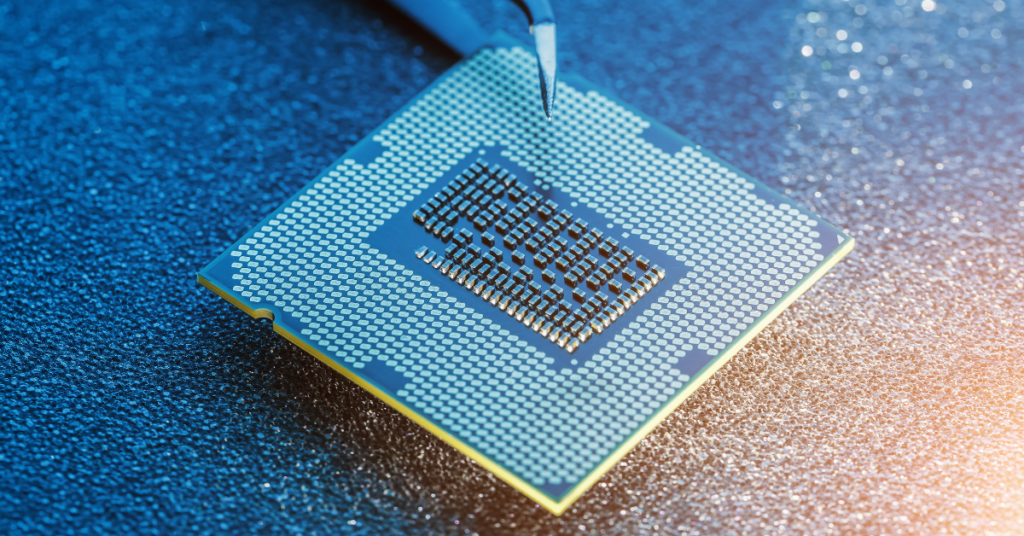
    The government has introduced ground-breaking reforms to the Special Economic Zones (SEZ) regulations, specifically targeting the unique demands of the semiconductor and electronics component manufacturing sectors in India. Recognising that manufacturing in these sectors is capital-intensive, reliant on imports, and subject to lengthy periods before profitability, the rule changes aim to stimulate pioneering investments and boost manufacturing in these high-technology sectors.

    Following amendments to Rule 5 of the SEZ Rules, 2006, an SEZ established solely for the manufacturing of semiconductors or electronic components will now require a minimum contiguous land area of just 10 hectares, a significant reduction from the previous requirement of 50 hectares. Further, changes to Rule 7 of the SEZ Rules, 2006, empower the Board of Approval for SEZs to waive the condition that SEZ land must be free of encumbrances in cases where it is mortgaged or leased to the Central or State Government or their authorised agencies.

    The amended Rule 53 now allows the value of goods received and supplied free of charge to be included in Net Foreign Exchange (NFE) calculations and assessed using relevant customs valuation rules. Moreover, amendments to Rule 18 of the SEZ Rules now permit SEZ units in the semiconductor and electronics component manufacturing sectors to supply domestically into the Domestic Tariff Area after paying the applicable duties. These key amendments aim to make SEZs more accessible and attractive for investment in these critical sectors.

    Impact On Businesses

    These SEZ reforms are poised to have a substantial impact on businesses operating within the semiconductor and electronics manufacturing sectors in India. The reduction in minimum land requirements will particularly benefit small and medium-sized enterprises (SMEs), allowing them to establish operations within SEZs without the burden of acquiring vast tracts of land. This increased accessibility could foster greater participation from domestic players, boosting competition and innovation within the industry.

    The relaxation of encumbrance norms provides much-needed flexibility for companies seeking to set up manufacturing units. Previously, the requirement for encumbrance-free land presented a significant hurdle, especially for businesses with existing land holdings that may have been mortgaged or leased. By allowing the Board of Approval to waive this condition in certain cases, the reforms will unlock opportunities for companies to leverage their existing assets and expedite the establishment of their SEZ operations.

    Furthermore, the inclusion of free-of-cost goods in NFE calculations offers a more realistic assessment of the economic contribution of SEZ units. This change acknowledges the prevalence of such arrangements in the semiconductor and electronics manufacturing industries, where components are often provided by parent companies or international partners. By accounting for these goods, the reforms will provide a more accurate picture of the net foreign exchange earned by SEZ units, potentially leading to more favourable policy decisions and incentives.

    The ability for SEZ units to supply domestically into the Domestic Tariff Area after paying applicable duties presents a significant opportunity for businesses to tap into the growing Indian market. This will enable them to diversify their revenue streams, reduce their reliance on exports, and cater to the increasing demand for electronics and semiconductor products within the country. This provision could also incentivise foreign companies to establish manufacturing facilities in India, with the aim of serving both domestic and international markets.

    Simplified Procedures

    The recent reforms to the SEZ regulations also encompass simplified procedures, designed to reduce bureaucratic hurdles and streamline operations for businesses. The Department of Commerce has implemented measures to expedite the approval process for new SEZ units and facilitate smoother customs clearances for goods moving in and out of these zones. These streamlined procedures are expected to significantly reduce the time and cost associated with setting up and operating within SEZs, making them more attractive to investors.

    One key aspect of the simplified procedures is the introduction of a single-window clearance system for various approvals and permits required by SEZ units. This system will consolidate multiple application processes into a single online platform, reducing the need for businesses to interact with numerous government agencies. This will not only save time and resources but also enhance transparency and accountability in the approval process.

    Furthermore, the government is committed to reducing the compliance burden on SEZ units by simplifying reporting requirements and adopting risk-based inspections. This means that businesses with a proven track record of compliance will be subject to fewer inspections and less stringent reporting obligations. This will allow them to focus on their core business activities, rather than spending excessive time on administrative tasks. These simplified procedures are expected to contribute significantly to the ease of doing business within SEZs, fostering a more conducive environment for investment and growth in the semiconductor and electronics manufacturing sectors in India.

    Future Outlook

    Looking ahead, these SEZ reforms are expected to catalyse a new era of growth and innovation within India’s semiconductor and electronics manufacturing sectors. The government envisions India emerging as a global hub for high-tech manufacturing, attracting significant foreign direct investment (FDI) and creating numerous high-skilled job opportunities. The recent policy changes are a crucial step towards realising this ambitious vision.

    Industry analysts predict that the reduced land requirements and relaxed encumbrance norms will lead to a surge in the number of SEZ applications, particularly from SMEs and domestic manufacturers. This increased participation could foster a more competitive and dynamic ecosystem, driving innovation and technological advancements within the semiconductor and electronics industries. The reforms are also expected to encourage existing SEZ units to expand their operations and invest in new technologies.

    Furthermore, the government plans to continue refining the SEZ policy framework based on industry feedback and evolving global trends. This includes exploring further simplifications to procedures, providing targeted incentives for research and development, and fostering collaborations between SEZ units and academic institutions. By remaining agile and responsive to the needs of the industry, India aims to solidify its position as a leading destination for semiconductor and electronics manufacturing, attracting both domestic and international investment in the years to come. The success of these SEZ reforms is crucial for India’s economic growth and its ambition to become a self-reliant manufacturing powerhouse.

  • IESA champions green ev battery reuse

    IESA champions green ev battery reuse

    Iesa champions green ev battery reuse

    IESA champions green ev battery reuse


    India Energy Storage Alliance (IESA) champions a future where EV batteries don’t simply become waste at the end of their first life. IESA envisions a robust ecosystem built around the reuse of these batteries, transforming them from potential environmental hazards into valuable resources. Their vision is rooted in the principles of sustainability, aiming to minimise the environmental impact of electric vehicles and promote a circular economy.

    IESA sees tremendous potential in repurposing EV batteries for various secondary applications. This includes energy storage systems for homes, businesses, and even grid-scale projects. By giving EV batteries a second life, IESA aims to reduce the demand for new battery production, conserving precious resources and lowering carbon emissions. They actively promote the adoption of green technology and best practices within the industry.

    As a leading industry body, IESA is actively working to facilitate the development of this ecosystem. They are involved in research, policy advocacy, and awareness campaigns to highlight the benefits of battery reuse and recycling. Their work focuses on creating a supportive environment for businesses and innovators to thrive in this emerging sector, ultimately driving the growth of a sustainable energy storage market in India and beyond.

    Benefits Of Battery Reuse

    Repurposing EV batteries offers a multitude of advantages that extend beyond environmental considerations. Economically, it can significantly reduce the cost of energy storage solutions. Second-life batteries, while not suitable for the demanding requirements of electric vehicles, can still provide substantial energy storage capacity for less critical applications, making energy storage more accessible to a wider range of consumers and businesses.

    From a sustainability perspective, battery reuse minimises the environmental footprint associated with battery production. Extracting raw materials and manufacturing new batteries are energy-intensive processes that contribute to greenhouse gas emissions. By extending the lifespan of EV batteries through reuse, we can significantly reduce the demand for these resource-intensive activities. This aligns perfectly with IESA’s commitment to promoting green technology and a circular economy in India.

    Moreover, a thriving battery reuse industry creates new economic opportunities and jobs. The processes involved in testing, refurbishing, and repurposing EV batteries require skilled technicians and engineers, fostering innovation and growth in the energy storage sector. As an industry body, IESA recognises the potential for India to become a global leader in battery reuse and recycling, driving economic growth while promoting environmental stewardship.

    Reuse Challenges And Solutions

    Despite the clear advantages, the path to widespread EV battery reuse isn’t without its obstacles. One major hurdle lies in the standardisation of battery technology. The lack of uniformity in battery designs, chemistries, and management systems across different electric vehicles makes it challenging and costly to assess, repurpose, and integrate second-life EV batteries into new applications. This inconsistency increases the complexity of testing and refurbishment processes, hindering the scalability of reuse initiatives.

    Another significant challenge is ensuring the safety and performance of reused EV batteries. Thorough testing and certification are essential to guarantee that these batteries meet the required safety standards for their new applications. Concerns about degradation, thermal runaway, and potential hazards need to be addressed through rigorous quality control measures. Developing robust testing protocols and certification frameworks is crucial for building trust and confidence in the reliability of second-life batteries.

    To overcome these challenges, collaboration is key. IESA actively promotes partnerships between automakers, battery manufacturers, energy storage companies, and research institutions. By working together, stakeholders can develop common standards, share best practices, and create innovative solutions for battery reuse and recycling. Furthermore, government support and policy incentives are essential to encourage investment in this emerging sector and accelerate the transition towards a circular economy for EV batteries in India. This includes financial support for research and development, tax incentives for companies involved in battery reuse, and clear regulatory frameworks to ensure responsible and sustainable practices. IESA, as a leading industry body, is actively advocating for such policies.

    Industry Collaboration And Growth

    The growth of the EV battery reuse sector hinges significantly on robust collaboration between various stakeholders. IESA plays a pivotal role in fostering these partnerships, bringing together automakers, battery manufacturers, energy storage companies, and research institutions. These collaborative efforts are crucial for establishing industry standards, streamlining processes, and promoting best practices for EV batteries’ second life.

    Standardisation of battery technology is a key area where industry-wide cooperation is essential. By working towards common battery designs and management systems, the challenges associated with assessing, repurposing, and integrating second-life EV batteries can be significantly reduced. This will make the reuse process more efficient and cost-effective, ultimately boosting the scalability of reuse initiatives across India.

    Furthermore, collaborative research and development initiatives are vital for advancing battery reuse technologies. By pooling resources and expertise, stakeholders can develop innovative solutions for testing, refurbishment, and integration of second-life batteries into various applications. This includes exploring new chemistries, improving battery management systems, and developing advanced diagnostic tools to ensure the safety and performance of reused batteries. IESA, as a prominent industry body, actively facilitates these collaborative projects to accelerate the growth of the green technology sector.

    Government support and policy incentives are also critical drivers of industry growth. Clear regulatory frameworks, financial support for research and development, and tax incentives for companies involved in battery reuse and recycling can create a favourable environment for investment and innovation. IESA actively engages with policymakers to advocate for policies that promote sustainability and the circular economy for EV batteries in India, driving the transition towards a greener future for electric vehicles.

  • India uk foreign office consultations bolster strategic ties

    India uk foreign office consultations bolster strategic ties

    India uk foreign office consultations bolster strategic ties

    India and the UK have reaffirmed their commitment to a stronger bilateral partnership following recent foreign office consultations. These discussions served as a platform to review the comprehensive strategic partnership, identifying areas for enhanced collaboration and setting the stage for future joint initiatives. Both nations expressed a shared desire to deepen cooperation across various sectors, reflecting the mutual importance placed on the relationship.

    The consultations highlighted the increasing convergence of interests between India and the UK on a range of global issues. Officials engaged in productive dialogue, exchanging perspectives on regional security, multilateral cooperation, and emerging challenges. This commitment to open communication underscores the importance both countries place on their ability to navigate complex international landscapes together. The dialogue also emphasized the mutual benefits of increased strategic exports and technology cooperation.

    Key Discussion Points

    The foreign office consultations centred around several key areas crucial to the India-UK relationship. Discussions involved strengthening cooperation in multilateral forums, with both sides reiterating their commitment to upholding international law and promoting a rules-based global order. Counter-terrorism efforts were also a significant focus, with both nations pledging to enhance intelligence sharing and collaborative measures to combat the threat of terrorism in all its forms. Officials also addressed regional security concerns, exchanging views on developments in their respective neighbourhoods and exploring avenues for joint initiatives to promote stability.

    Climate change featured prominently in the dialogue, reflecting the shared commitment of India and the UK to addressing this global challenge. Both sides explored opportunities for collaboration on renewable energy, sustainable development, and climate finance. Furthermore, the discussions encompassed cooperation in the Indo-Pacific region, with both countries emphasizing the importance of maintaining freedom of navigation and promoting inclusive growth and security. The India-UK partnership aims to contribute to a stable and prosperous Indo-Pacific.

    Beyond these broad themes, the foreign office consultations also addressed specific areas for enhanced collaboration. These included promoting educational exchanges, fostering cultural understanding, and strengthening people-to-people ties. Both India and the UK recognise the importance of nurturing these connections to build a deeper and more resilient partnership for the future. Increased strategic exports and technology cooperation were also identified as vital components of the economic partnership, driving innovation and creating new opportunities for growth in both countries.

    Defence And Security Cooperation

    Defence and security cooperation emerged as a central pillar of the India-UK strategic partnership during the foreign office consultations. Both sides expressed a firm commitment to deepening collaboration in these critical areas, recognising the shared security challenges they face in a complex global environment. Discussions focused on enhancing military-to-military engagement through joint exercises, training programmes, and personnel exchanges. This increased interaction aims to improve interoperability and build mutual understanding between the armed forces of both nations.

    Maritime security in the Indo-Pacific region was a key area of focus, with both India and the UK reaffirming their commitment to maintaining a free, open, and inclusive maritime domain. They acknowledged the importance of safeguarding sea lanes of communication and ensuring the peaceful resolution of maritime disputes, in accordance with international law. The dialogue included discussions on potential joint maritime exercises and information sharing to enhance maritime domain awareness and promote regional stability.

    Furthermore, the foreign office consultations explored opportunities for enhanced defence industrial cooperation. Both countries recognised the potential for collaboration in defence technology development and manufacturing, with a focus on promoting technology cooperation and strategic exports. Discussions covered potential joint ventures, technology transfers, and co-production initiatives, aiming to strengthen India’s defence manufacturing capabilities and foster innovation in the defence sector. The India-UK partnership seeks to leverage the strengths of both nations to enhance their defence capabilities and contribute to regional security.

    Trade And Investment Opportunities

    The India-UK partnership is poised to unlock significant trade and investment opportunities, building upon the existing robust economic ties. The recent foreign office consultations underscored the commitment of both nations to deepen their economic engagement, setting ambitious targets for future growth. Discussions centred on streamlining trade procedures, reducing barriers to investment, and fostering a more conducive environment for businesses to thrive.

    A key focus of the dialogue was the ongoing negotiations for a comprehensive Free Trade Agreement (FTA). Both sides expressed optimism about the progress made so far and reiterated their determination to conclude a mutually beneficial agreement that will unlock significant economic potential. The FTA is expected to boost trade in goods and services, promote investment flows, and create new jobs in both countries. The India-UK partnership aims to establish a modern and ambitious trade framework that reflects the evolving needs of their economies.

    Beyond the FTA, the foreign office consultations also explored sector-specific opportunities for enhanced collaboration. These included renewable energy, healthcare, technology, and infrastructure. Both India and the UK recognise the potential for joint ventures and investment partnerships in these sectors, leveraging their respective strengths and expertise. The discussions highlighted the importance of promoting innovation, facilitating technology cooperation, and creating a level playing field for businesses to compete.

    The consultations also addressed the importance of promoting strategic exports and technology cooperation. Both sides recognised the potential for enhanced collaboration in areas such as defence, aerospace, and cybersecurity. The India-UK partnership aims to facilitate technology transfers, promote joint research and development, and create new opportunities for businesses to participate in global value chains. These efforts are expected to drive innovation, create high-skilled jobs, and strengthen the economic resilience of both countries. The dialogue also emphasized the importance of supporting small and medium-sized enterprises (SMEs) to access new markets and participate in global trade.

  • India’s gpu surge boosts indigenous ai

    India’s gpu surge boosts indigenous ai

    AI

    India’s gpu surge boosts indigenous ai

    India’s burgeoning artificial intelligence (AI) landscape is experiencing a significant acceleration, fuelled by the increasing availability and deployment of powerful Graphics Processing Units (GPUs). These GPUs are the workhorses behind the complex computations required for training and running sophisticated AI models, making them indispensable for advancements in various sectors. The surge in GPU adoption marks a pivotal milestone in India’s journey towards establishing a robust indigenous AI ecosystem.

    The demand for GPUs is being driven by both public and private sector initiatives. Research institutions are leveraging GPU-powered supercomputing infrastructure to conduct cutting-edge AI research, focusing on areas like natural language processing, computer vision, and machine learning. Start-ups are also increasingly relying on GPUs to develop innovative AI-driven solutions for healthcare, finance, and agriculture. This widespread adoption demonstrates the transformative potential of GPU technology in unlocking new possibilities for AI development across diverse industries within India.

    One notable example is the deployment of advanced supercomputing facilities equipped with a substantial number of GPUs. These facilities provide researchers and developers with the computational muscle necessary to tackle complex AI challenges. For instance, the installation of a cluster with over 34000 GPUs significantly enhances the nation’s capacity for training large-scale AI models. This enhanced infrastructure empowers India to compete globally in the rapidly evolving field of artificial intelligence. The accessibility of such resources is crucial for fostering innovation and nurturing a skilled workforce in the AI domain.

    Government Initiatives Driving Growth

    The Indian government is playing a crucial role in accelerating the adoption of AI through a range of strategic initiatives. These initiatives aim to foster innovation, build capacity, and promote the development of an indigenous AI ecosystem. A key focus is on creating a supportive regulatory environment that encourages responsible AI development and deployment. The government recognises that a clear and ethical framework is essential for building public trust and ensuring that AI benefits all segments of society.

    Investment in research and development is another cornerstone of the government’s AI strategy. Significant funding is being allocated to support AI research projects in academic institutions and research labs across India. These projects cover a wide spectrum of AI applications, from healthcare and agriculture to smart cities and cybersecurity. By fostering collaboration between academia, industry, and government, India aims to create a vibrant ecosystem that drives innovation and translates research breakthroughs into real-world solutions. This strategic funding ensures the continued acceleration of AI technology.

    Furthermore, the government is actively promoting skills development in AI and related fields. Several programs have been launched to train students, researchers, and professionals in the latest AI technologies, including GPU-accelerated computing and deep learning. These programs are designed to address the growing demand for skilled AI professionals and ensure that India has a workforce capable of driving the next wave of AI innovation. The initiative to equip the nation with supercomputing facilities boasting over 34000 GPUs represents a significant milestone, underlining the commitment to providing the necessary technological infrastructure for AI advancement in India.

    Challenges And Future Prospects

    Despite the impressive acceleration in India’s AI capabilities, several challenges remain. One significant hurdle is the high cost associated with acquiring and maintaining cutting-edge GPU infrastructure. While government initiatives are helping to alleviate this burden, access to affordable GPU resources remains a concern, particularly for smaller start-ups and academic institutions. Overcoming this financial barrier is crucial for democratising access to AI technology and fostering wider participation in the AI revolution. Innovative financing models and resource-sharing initiatives could play a key role in addressing this challenge.

    Another challenge lies in bridging the skills gap in advanced AI technologies. While the government is investing in training programs, the demand for skilled AI professionals, especially those with expertise in GPU-accelerated computing, continues to outstrip supply. To address this, India needs to strengthen its educational institutions and curricula to produce a steady stream of highly qualified AI specialists. Furthermore, attracting and retaining top AI talent is essential for maintaining India’s competitive edge in the global AI landscape. Initiatives such as industry-academia partnerships and attractive career opportunities can help to address this talent shortage.

    Looking ahead, the future of AI in India is bright, with immense potential for growth and innovation. Continued investment in GPU infrastructure, coupled with strategic initiatives to address the skills gap and promote responsible AI development, will be crucial for realising this potential. As India continues to build its indigenous AI ecosystem, it is well-positioned to become a global leader in AI, driving economic growth, improving public services, and addressing some of the world’s most pressing challenges. The milestone of having over 34000 GPUs is just the beginning of this exciting journey.

  • India rolls out e-passport a guide to benefits, application, and eligibility

    India rolls out e-passport a guide to benefits, application, and eligibility

    passport

    India rolls out e-passport a guide to benefits, application, and eligibility

    One of the key benefits of the e-passport is enhanced security. The embedded electronic chip makes it incredibly difficult to forge or tamper with the passport. This significantly reduces the risk of identity theft and fraudulent travel. The chip stores the same information that is printed on the passport’s data page, along with a digital image of the passport holder. This biometric data adds an extra layer of verification, making the e-passport a more secure travel document compared to traditional passports.

    The e-passport streamlines the immigration process at airports. Many international airports have e-gates or automated border control systems that can read the chip in the e-passport. This allows for faster and more efficient processing of travellers, reducing queues and saving time. Instead of manually checking the passport, immigration officers can quickly verify the traveller’s identity using the electronic data. This improved efficiency is a significant advantage for frequent international travellers from india.

    An e-passport enhances data protection. The data stored on the chip is encrypted and protected by digital signatures, making it difficult for unauthorised parties to access or alter the information. This ensures the privacy and security of the passport holder’s personal data. Furthermore, the chip can only be read by authorised personnel with the appropriate equipment. The introduction of e-passports in india represents a significant step forward in securing citizens’ identities and facilitating international travel. These are just some of the important benefits.

    How to Apply

    The application process for an e-passport in india largely mirrors the existing procedure for traditional passports, with a few key differences. You can initiate the process by visiting the Passport Seva website, the official portal for all passport-related services in india. Ensure you have all the necessary documents readily available before you begin.

    To apply online, first register on the Passport Seva website. If you’re a returning user, simply log in with your existing credentials. Once logged in, you will find the option to “Apply for Fresh Passport/Re-issue of Passport.” Select this option and carefully fill out the online application form. Provide accurate and complete information, as any discrepancies can lead to delays or rejection of your application.

    After completing the online form, you’ll need to schedule an appointment at your nearest Passport Seva Kendra (PSK) or Post Office Passport Seva Kendra (POPSK). You can choose a convenient date and time slot based on availability. Before scheduling, you’ll be prompted to pay the passport fee online through various modes such as credit/debit card, net banking, or UPI. Remember to keep a copy of the payment receipt as it will be required during your visit to the PSK/POPSK.

    On the day of your appointment, arrive at the PSK/POPSK with all the required original documents and self-attested photocopies. The officials will verify your documents, capture your biometric data (fingerprints and photograph), and conduct a brief interview. The e-passport application process includes these steps to ensure the integrity of the passport india and security. Following successful verification, your application will be processed, and your e-passport will be dispatched to your registered address. The benefits of e-passport are significant, but it’s important to follow all steps carefully to ensure a smooth application.

    Eligibility Criteria

    To be eligible for an e-passport in india, the criteria are generally the same as those for a regular passport. Any indian citizen who meets the standard requirements for obtaining a passport is eligible to apply. This includes individuals who are citizens by birth, descent, or naturalisation. Minors are also eligible, but their applications require parental consent and documentation.

    There are specific requirements for different categories of applicants. For example, first-time applicants will need to provide proof of address, date of birth, and identity. Documents such as an Aadhaar card, voter ID, PAN card, or birth certificate are commonly accepted as proof. Individuals seeking reissue of a passport may need to submit their old passport and supporting documents if there have been changes in their personal details, such as address or name.

    Applicants with criminal records or pending legal cases may face additional scrutiny during the application process. The passport issuing authority reserves the right to deny or revoke a passport if the applicant is deemed a threat to national security or public safety. Each case is assessed individually, taking into account the nature and severity of the offence. It is important to disclose any criminal history truthfully on the application form to avoid potential complications later on. The eligibility criteria ensures the integrity of the passport india system.

    It’s important to note that the specific documents required may vary depending on individual circumstances. The Passport Seva website provides a detailed list of acceptable documents for each category of applicant. Before you apply online, carefully review the checklist to ensure you have all the necessary paperwork ready. Failure to provide the correct documents can result in delays or rejection of your e-passport application. The benefits of holding an e-passport are considerable, so make sure you meet all the eligibility requirements.

  • Msme delinquencies plummet to five-year low

    Msme delinquencies plummet to five-year low

    Msme delinquencies plummet to five-year low

    Msme delinquencies plummet to five-year low

    Several factors contributed to the significant decline in MSME delinquencies, reaching a five-year low of 1.8%. Improved economic activity in India played a crucial role, enabling small businesses to manage their cash flows more effectively and improve loan repayments. Government initiatives aimed at supporting the MSME sector, such as easier access to credit and subsidies, also contributed to the enhanced financial health of these enterprises.

    Furthermore, enhanced monitoring and risk management practices adopted by lending institutions helped in identifying and addressing potential non-performing assets (NPA) early on. Restructuring schemes and proactive engagement with borrowers facing difficulties also prevented accounts from slipping into delinquency. The increased focus on credit risk assessment before disbursing loans also played a key role in reducing the overall delinquency rate. This cautious approach ensured that loans were granted to businesses with a higher probability of successful repayment.

    Technological advancements in credit scoring and data analytics have further empowered lenders to make informed decisions. These tools provide a more granular view of the borrower’s creditworthiness, allowing for more accurate assessment of repayment capacity. The combination of a supportive economic environment, proactive government measures, and improved lending practices has collectively led to the notable reduction in MSME delinquencies, signaling a positive trend for the sector.

    Regional Performance Overview

    The regional performance overview reveals a diverse landscape in the MSME sector across India. While the national average for delinquencies reached a five-year low, certain regions exhibited stronger improvements than others. Western and Southern India demonstrated particularly robust performance, with lower NPA ratios compared to the national average. This can be attributed to the concentration of industries with higher growth rates and better infrastructure in these regions, facilitating smoother operations and improved loan repayments for small businesses.

    In contrast, Eastern and Northeastern India faced persistent challenges, with MSME delinquencies remaining relatively higher. Factors contributing to this include limited access to credit, infrastructural bottlenecks, and a slower pace of economic development. These regions often have a higher proportion of micro-enterprises operating in sectors vulnerable to economic fluctuations, which impacts their financial health and ability to service debts. Targeted interventions and policy support are crucial to address these regional disparities and promote balanced growth across the country.

    Furthermore, variations in credit risk assessment practices and recovery mechanisms across different states also contributed to the observed differences. States with more proactive monitoring and enforcement of loan agreements generally experienced lower delinquency rates. Addressing these regional imbalances is essential to ensure that the benefits of improved MSME credit quality are distributed equitably across India, fostering sustainable growth and development for all small businesses.

    Impact On Lending Policies

    The marked improvement in MSME loan portfolios, with delinquencies hitting a five-year low, is prompting a reassessment of lending policies across financial institutions. Banks and non-banking financial companies (NBFCs) are now evaluating their risk appetite and credit assessment frameworks. The reduction in non-performing assets (NPAs) provides an opportunity for lenders to expand their MSME loan portfolios with greater confidence, but also necessitates a nuanced approach to risk management.

    Lenders are increasingly focusing on granular data analysis and predictive modelling to identify potential risks and opportunities within the MSME sector. This involves leveraging technology to enhance credit scoring models and monitor borrower behaviour more effectively. While the overall outlook is positive, lenders remain cautious about segments exhibiting higher stress, particularly micro-enterprises and businesses in vulnerable sectors. Consequently, lending policies are being tailored to address these specific risks, with stricter due diligence and enhanced monitoring mechanisms.

    Furthermore, the improved financial health of MSMEs is encouraging lenders to offer more flexible loan products and competitive interest rates. This includes exploring innovative financing solutions, such as supply chain financing and invoice discounting, to meet the diverse needs of small businesses. The focus is shifting towards fostering long-term relationships with MSME borrowers and providing them with the necessary support to grow and thrive. However, lenders are also emphasizing the importance of financial literacy and responsible borrowing practices among MSMEs to ensure sustainable credit growth and prevent a resurgence of delinquencies.

  • India’s SMEs forecast for strong April-June growth

    India’s SMEs forecast for strong April-June growth

    industrial growth

    India’s SMEs forecast for strong April-June growth

    Several factors underpin the optimistic forecast for India’s small and medium enterprises (SMEs) during the April-June quarter. A significant driver is the sustained momentum in domestic demand. Consumer spending remains robust, fuelled by increased disposable incomes and a positive consumer sentiment. This creates a favourable environment for SMEs, which often cater to the local market. Government initiatives promoting entrepreneurship and providing financial assistance also play a crucial role. Schemes like the Credit Guarantee Fund Trust for Micro and Small Enterprises (CGTMSE) and the Prime Minister’s Employment Generation Programme (PMEGP) facilitate access to credit, enabling SMEs to expand their operations and invest in new technologies.

    Furthermore, the ongoing digitisation drive across India empowers SMEs to reach wider markets and improve their operational efficiency. E-commerce platforms provide SMEs with a cost-effective channel to sell their products and services nationwide. Adoption of digital technologies also enhances productivity and reduces administrative burdens. Improved infrastructure, including better road connectivity and logistics, further supports the growth of SMEs by facilitating the smooth movement of goods and services. These infrastructural improvements reduce transportation costs and shorten delivery times, making SMEs more competitive.

    A recent report indicates that the easing of global supply chain disruptions is contributing to the positive outlook. This allows SMEs to access raw materials and components more easily, reducing production bottlenecks and improving their ability to meet the increasing demand. The combination of strong domestic demand, supportive government policies, increasing digitisation, improved infrastructure, and easing supply chain constraints creates a conducive environment for growth for India’s SMEs in the April-June quarter.

    Sectoral Performance Overview

    A detailed report on sectoral performance indicates varied growth trajectories across different segments within India’s SME landscape. The manufacturing sector is expected to witness significant expansion, driven by increased orders from both domestic and international markets. Sectors like textiles, automotive components, and pharmaceuticals are anticipated to perform particularly well, benefiting from government support and a revival in global demand. The services sector is also projected to experience robust growth, fuelled by the increasing demand for IT services, e-commerce, and logistics.

    Within the services sector, tourism and hospitality are rebounding strongly, contributing to the overall positive forecast for small and medium enterprises. The agriculture and food processing sectors are likely to see steady growth, supported by government initiatives promoting value addition and export of agricultural products. However, some sectors, such as those heavily reliant on imported raw materials or facing intense competition from larger players, may experience slower growth during the April-June quarter. The overall outlook remains positive, with most sectors expected to contribute to the anticipated expansion of SMEs.

    Analysis suggests that SMEs in the technology and e-commerce sectors are poised for particularly strong growth. The increasing adoption of digital technologies across various industries is creating new opportunities for these SMEs. Furthermore, government initiatives promoting digital payments and online transactions are fuelling the expansion of the e-commerce sector, benefiting SMEs that operate in this space. This positive trend is expected to continue throughout the April-June quarter, solidifying the role of technology-driven SMEs in the Indian economy and contributing significantly to the overall growth forecast.

    Challenges And Outlook

    Despite the promising forecast for India’s SMEs in the April-June quarter, several challenges persist. Access to adequate and timely financing remains a significant hurdle for many small and medium enterprises. While government schemes aim to address this, bureaucratic processes and stringent collateral requirements often hinder SMEs from availing these benefits. The complexity of compliance with various regulations also poses a challenge, particularly for smaller businesses with limited resources to navigate the legal and administrative landscape.

    Another concern is the rising cost of raw materials and energy, which can squeeze profit margins for SMEs. Fluctuations in global commodity prices and supply chain disruptions can further exacerbate this issue. Furthermore, intense competition from larger, more established players, as well as from cheaper imports, continues to put pressure on SMEs. Maintaining competitiveness requires continuous innovation, investment in technology, and a focus on improving efficiency. The availability of skilled labour is also a growing concern, particularly in sectors requiring specialised expertise. Addressing this skills gap through vocational training and education programmes is crucial for sustaining the growth of SMEs.

    Looking ahead, the outlook for India’s SMEs remains cautiously optimistic. The sustained focus on infrastructure development, digitisation, and ease of doing business is expected to create a more favourable environment for growth. However, addressing the challenges related to financing, compliance, rising costs, and skill gaps is essential for unlocking the full potential of SMEs. A recent report suggests that government policies should be tailored to meet the specific needs of different sectors within the SME landscape. Furthermore, promoting collaboration between SMEs and larger enterprises can foster innovation and knowledge sharing, contributing to the overall growth and competitiveness of the sector. Overcoming these hurdles will be crucial for ensuring that India’s SMEs continue to thrive and contribute to the country’s economic development.

  • Enhance your fintech skills with IDRBT’s PGDFT

    Enhance your fintech skills with IDRBT’s PGDFT

    Enhance your fintech skills with IDRBT’s PGDFT

    The Institute for Development and Research in Banking Technology (IDRBT), established by the Reserve Bank of India (RBI), offers the Postgraduate Diploma in Financial Technology (PGDFT), a programme designed to equip professionals with cutting-edge fintech skills. This intensive course provides a comprehensive understanding of financial technology, covering key areas relevant to the rapidly evolving landscape of banking and finance. The PGDFT aims to bridge the gap between traditional banking practices and innovative technological solutions.

    The IDRBT’s PGDFT programme caters to individuals seeking skills enhancement in areas such as blockchain, artificial intelligence, data analytics, and cybersecurity, all crucial for modern financial services. It is ideal for graduates and working professionals alike who aspire to lead the digital transformation of the financial sector in India. The course blends theoretical knowledge with practical application, ensuring participants gain hands-on experience through case studies, projects, and industry interactions. The IDRBT leverages its expertise in banking technology to deliver a curriculum that is both rigorous and relevant to the needs of the industry.

    Participants will gain a deep understanding of the challenges and opportunities presented by financial technology, enabling them to contribute meaningfully to the development and deployment of innovative financial solutions. The PGDFT aims to empower individuals with the knowledge and skills to drive innovation, improve efficiency, and enhance security within the banking and finance ecosystem in India. By focusing on emerging technologies and their applications, the programme prepares participants for leadership roles in the rapidly growing fintech sector.

    Curriculum And Key Modules

    The PGDFT programme boasts a meticulously crafted curriculum designed to provide a holistic understanding of financial technology. Core modules include Foundations of Finance and Banking, which builds a strong base in traditional finance principles. This is complemented by modules focusing on emerging technologies such as Blockchain Technology and Cryptocurrency, exploring the potential and challenges of decentralised finance. Participants also delve into Data Analytics for Finance, learning how to extract valuable insights from financial data using statistical methods and machine learning.

    Further specialisation is offered through modules covering areas like Artificial Intelligence in Finance, exploring applications such as fraud detection and algorithmic trading. Cybersecurity in Finance is another crucial component, addressing the growing need for robust security measures in the digital age. The curriculum also includes modules on Digital Payments and Mobile Banking, examining the technologies and business models driving the evolution of payment systems in India. These modules are designed to provide practical skills enhancement for professionals in the finance sector.

    Beyond technical skills, the PGDFT programme also emphasises the importance of regulatory compliance and ethical considerations in financial technology. Modules on Fintech Regulations and Compliance provide an overview of the legal and regulatory landscape governing fintech in India and globally. Throughout the programme, case studies and projects are integrated to provide hands-on experience and encourage critical thinking. The IDRBT ensures the curriculum remains current and relevant, incorporating the latest developments and trends in the rapidly evolving fintech landscape. The postgraduate diploma aims to produce well-rounded professionals equipped to navigate the complexities of the financial technology sector.

    Career Opportunities After Pgdft

    Graduates of the IDRBT’s PGDFT programme find themselves well-positioned for a variety of exciting and rewarding career paths within the rapidly expanding fintech sector in India. The postgraduate diploma provides participants with a unique blend of financial knowledge and technological expertise, making them highly sought after by employers across the banking, financial services, and technology industries. Opportunities abound for those seeking to leverage their newly acquired skills enhancement.

    Many PGDFT graduates pursue roles as Fintech Analysts or Consultants, advising financial institutions on the adoption and implementation of new technologies. These roles involve assessing existing systems, identifying areas for improvement, and recommending innovative solutions to enhance efficiency and security. Others may find opportunities as Product Managers in fintech companies, responsible for defining the roadmap and features of new financial products and services. A deep understanding of both financial technology and customer needs is essential for success in these roles.

    The demand for cybersecurity professionals in the finance sector is also growing rapidly, and PGDFT graduates with a specialisation in this area are particularly well-placed. Roles such as Cybersecurity Analysts or Security Architects offer the chance to protect financial institutions from cyber threats and ensure the integrity of sensitive data. Furthermore, the increasing use of data analytics in finance creates opportunities for Data Scientists and Machine Learning Engineers, who can use their skills to develop algorithms for fraud detection, risk management, and customer personalisation. The skills acquired during the PGDFT programme equip graduates to excel in these data-driven roles within the finance industry in India.

    Moreover, the rise of digital payments and mobile banking has created a need for professionals with expertise in these areas. PGDFT graduates may find opportunities as Digital Payments Specialists or Mobile Banking Managers, responsible for developing and managing digital payment platforms and mobile banking applications. These roles require a strong understanding of both technology and regulatory requirements. The IDRBT’s PGDFT programme, with its focus on banking technology, provides the necessary foundation for success in these roles and many more within the dynamic world of financial technology.

  • Is credit on upi a game-changer

    Is credit on upi a game-changer

    rbi

    Is credit on upi a game-changer

    The Reserve Bank of India (RBI) has enabled the linking of credit lines to the Unified Payments Interface (UPI), revolutionising digital payments in India. This allows users to access pre-sanctioned credit directly through the UPI platform, effectively turning every UPI app into a potential point-of-sale for credit. The process involves a one-time mandate where a user consents to link a specific credit line offered by a bank or fintech lender to their UPI ID. Once linked, users can then use UPI to make payments, with the transaction amount being deducted from their available credit limit instead of their bank account balance.

    This innovation significantly expands credit access, particularly for those who may not have traditional credit cards or easy access to consumer lending. Instead of relying solely on debit cards or net banking, users can now leverage credit for their everyday UPI transactions. This has the potential to drive financial inclusion by bringing more individuals into the formal credit ecosystem. The framework emphasizes responsible lending practices, requiring lenders to adhere to regulatory guidelines and transparently disclose interest rates, fees, and repayment terms. This ensures consumers are fully aware of the costs associated with using credit on UPI.

    The technology underpinning this system is built upon the existing UPI infrastructure, ensuring interoperability and ease of use. When a user initiates a UPI payment using their linked credit line, the transaction is routed through the UPI network, and the lender approves the payment based on the user’s available credit. The payment is then settled between the merchant’s bank and the lender. This seamless integration leverages the existing digital payments ecosystem, making credit on UPI a convenient and accessible option for both consumers and merchants. The success of this initiative hinges on collaboration between banks, fintech companies, and the National Payments Corporation of India (NPCI) to ensure a secure and efficient user experience.

    Potential Benefits for Consumers

    For consumers in India, the potential advantages of credit on UPI are considerable. The most immediate benefit is increased credit access. Many individuals, especially those new to the workforce or with limited credit history, find it challenging to obtain traditional credit cards. UPI credit lines offer a readily available alternative, allowing them to make purchases and manage their finances more effectively. This innovation democratises access to consumer lending, extending financial opportunities to a broader segment of the population.

    Furthermore, the convenience factor is a major draw. Integrating credit directly into the UPI platform streamlines the payment process. Consumers no longer need to carry multiple cards or switch between different payment apps. The familiar UPI interface simplifies transactions, making it easier for users to adopt and utilise credit on UPI for their daily needs. This ease of use can encourage responsible spending and better financial management, as users have a clear view of their credit usage within their existing UPI app.

    The boost to financial inclusion is another significant advantage. By providing access to formal credit channels, UPI credit lines can help individuals build a credit history and improve their creditworthiness. This, in turn, can unlock access to other financial products and services, such as loans for education, housing, or business ventures. Moreover, the transparent and regulated nature of UPI credit promotes responsible lending practices, protecting consumers from predatory lending and ensuring fair terms and conditions. This makes credit on UPI a powerful tool for empowering consumers and promoting economic growth.

    Challenges and Concerns Remain

    Despite the promising outlook, several challenges and concerns surround the widespread adoption of credit on UPI. One primary concern is the potential for over-indebtedness. The ease of access to credit through UPI could lead some users to accumulate debt beyond their capacity to repay. This risk is particularly acute among vulnerable populations with limited financial literacy. Robust consumer education initiatives and responsible lending practices are essential to mitigate this risk and ensure users understand the terms and conditions of their credit lines.

    Another challenge lies in the need for robust risk management systems. Lenders need to develop sophisticated models to assess creditworthiness and manage the risk of default. This requires access to comprehensive data and the ability to accurately predict repayment behaviour. Furthermore, effective fraud detection and prevention mechanisms are crucial to safeguard the system against fraudulent transactions and protect both lenders and consumers. Collaboration between banks, fintech companies, and regulatory bodies is vital to establish a secure and reliable credit ecosystem on UPI.

    Data privacy and security are also paramount concerns. Linking credit lines to UPI involves sharing sensitive financial information, raising concerns about data breaches and misuse. Strong data protection measures, including encryption and access controls, are necessary to ensure the confidentiality and integrity of user data. Clear and transparent data privacy policies are also essential to build trust and encourage adoption. Addressing these challenges proactively will be critical to realising the full potential of credit on UPI and ensuring it benefits all stakeholders in India.

Login