Tag: India

  • Electronics Manufacturers Urge Indian Government to Introduce PLI Scheme for Components and Wearables

    Electronics Manufacturers Urge Indian Government to Introduce PLI Scheme for Components and Wearables

    PLI Scheme

    Electronics Manufacturers Urge Indian Government to Introduce PLI Scheme for Components and Wearables

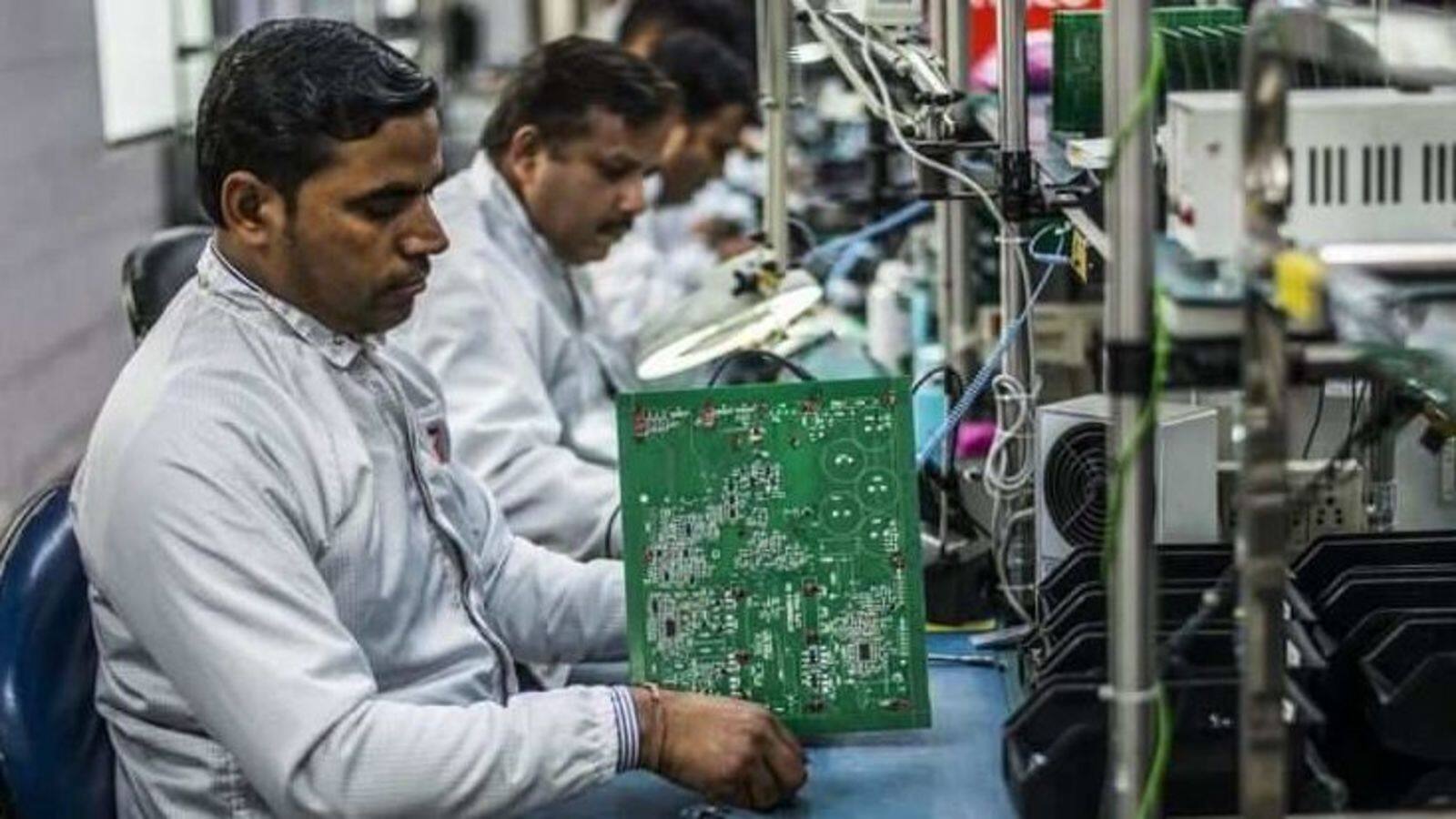
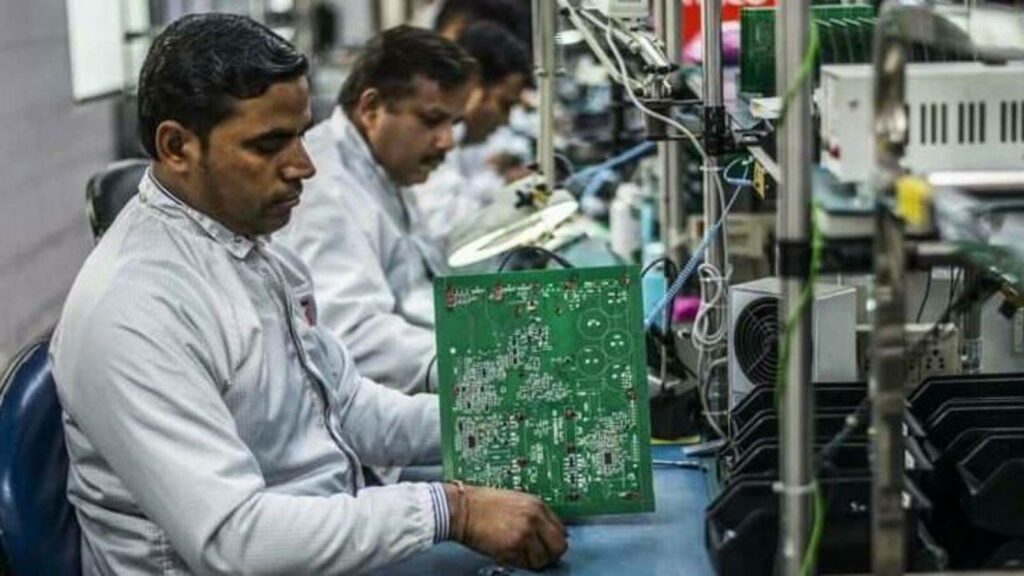
    A trade association representing major electronic manufacturers such as Asus, Dell, Google, Canon, and Dixon has appealed to the Indian government to introduce a production-linked incentive (PLI) scheme for electronic components and wearables. In a letter to S. Krishnan, the Secretary of the Ministry of Electronics and Information Technology, the Manufacturers Association for Information Technology (MAIT) emphasized that such incentives would not only boost exports but also enhance large-scale production capacity and attract investment in the electronics sector.

    MAIT’s members, which include notable companies like Harman, Konica Minolta, and 3M, argued that a PLI scheme for hearables and wearables would help meet the government’s ambitious export targets. Dixon, one of the association’s members, manufactures laptops in India for Lenovo.

    This appeal aligns with the Ministry of Electronics and Information Technology’s plans to introduce similar PLI schemes for the broader electronics ecosystem. Senior officials have indicated that the government will initiate a consultation process for a potential electronics components PLI after the current Lok Sabha elections conclude.

    “For the component PLI, we should consider a unified PLI for electronics rather than sector-specific schemes to build a robust electronics industry. Focusing solely on one sector in the past has limited the effectiveness of the component PLI for mobiles,” MAIT’s submission stated, as seen by Moneycontrol.

    The industry body also recommended that India’s forthcoming cybersecurity strategy align with international partners’ legislative or regulatory frameworks to create secure global supply chains and enhance collective security.

    “The rise of global value chains and India’s PLI and Make in India initiatives have significantly boosted the country’s global trade, particularly in electronics and ICT sectors. At MAIT, we believe that for India to fully integrate into global supply chains, regulatory adjustments encouraging global investment and local company participation are crucial,” said Rajkumar Rishi, President of MAIT.

    “As more companies consider investing in Indian manufacturing, we foresee accelerated growth in output, exports, and the overall economy. Developing a robust cybersecurity strategy is a top industry priority,” Rishi added.

    Additionally, MAIT presented specific recommendations to various ministries and departments, including the Prime Minister’s Office, Ministry of Commerce and Industry, Ministry of Finance, and the Department of Telecom. The suggestions included:

    – Supporting Ease of Doing Business initiatives.
    – Considering tariff reforms to promote competitiveness and large-scale manufacturing.
    – Opening investment limit enhancement under PLI for telecom.
    – Excluding the telecom and electronics sectors from section 65A applicability to optimize the Manufacturing and Other Operations in Warehouse (MOOWR) scheme for these industries.

    These recommendations aim to foster a conducive environment for electronics manufacturing in India, thereby strengthening the sector’s global position and economic impact.
  • India Has Sufficient Domestic Tyre Capacity; Imports Should Not Be Liberalised Through FTAs: ATMA

    India Has Sufficient Domestic Tyre Capacity; Imports Should Not Be Liberalised Through FTAs: ATMA

    tyre manufacturing

    India Has Sufficient Domestic Tyre Capacity; Imports Should Not Be Liberalised Through FTAs: ATMA

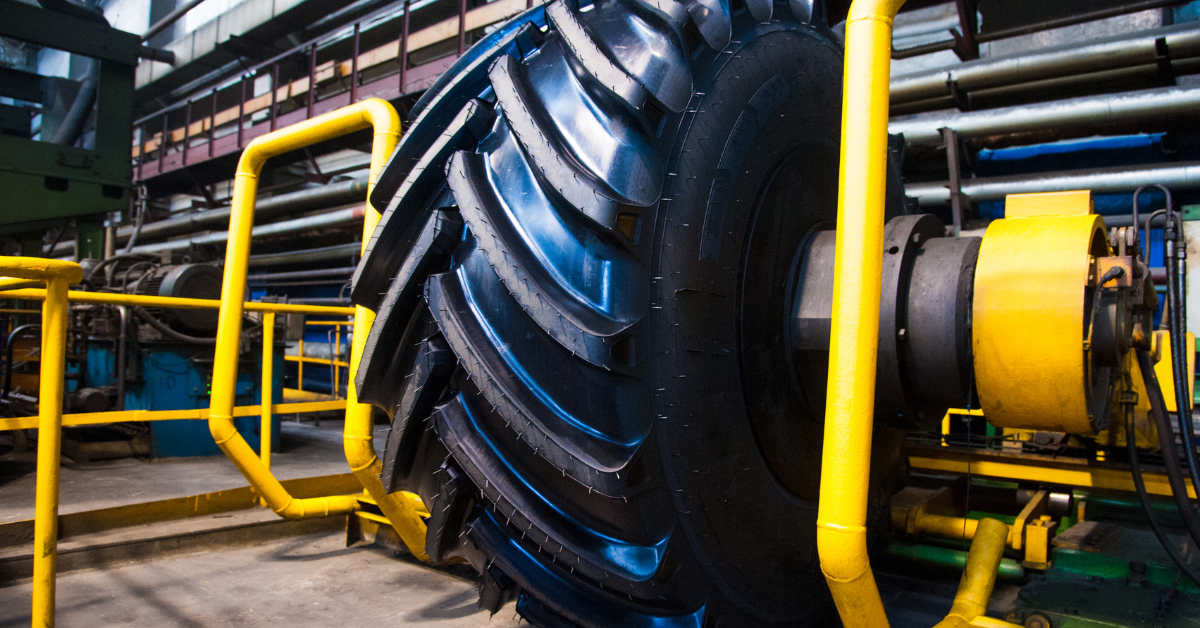
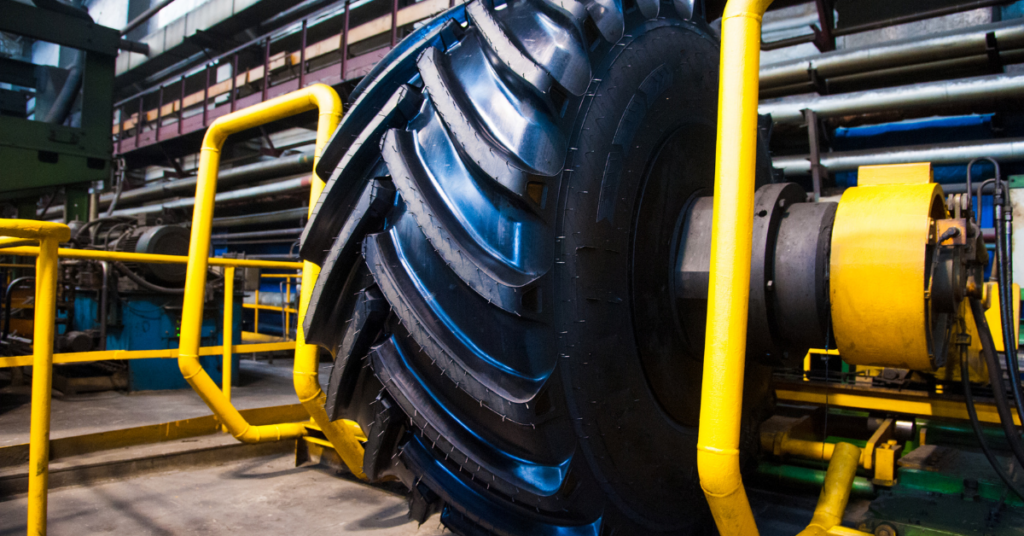
    India has ample tyre manufacturing capacity, and imports should not be liberalised through free trade agreements (FTAs) with duty concessions, according to the Automotive Tyre Manufacturers’ Association (ATMA). The industry body emphasized that domestic manufacturing capabilities in the automotive tyre sector are strong enough to make imports unnecessary, as communicated to the government.

    This feedback was provided in response to the government’s inquiry about sectors where India can achieve self-reliance, to ensure that upcoming FTAs protect domestic industries, ATMA stated.

    ATMA highlighted that India’s domestic tyre industry, one of the largest globally, produces over 200 million units annually across various categories, including two-wheelers, passenger vehicles, commercial vehicles, and off-road vehicles.

    Despite these capabilities, tyres worth over Rs 2,000 crore were imported in the first three quarters of FY24, marking a 27% increase from the same period the previous year, ATMA noted.

    “In recent years, the tyre sector has seen substantial investments, with leading manufacturers investing over Rs 35,000 crore in capacity expansion, technology upgrades, and research and development,” said ATMA Chairman Arnab Banerjee. “As new capacities come online, it is crucial to meet demand with domestic manufacturing rather than imports.”

    Banerjee added that the domestic tyre industry is well-equipped to meet the needs of both domestic and international auto original equipment manufacturers (OEMs) in terms of design, development, and regular supply for all vehicle types manufactured in the country.

    “The industry is ahead of the demand curve in producing all types of tyres. Auto OEMs are not importing tyres as the domestic industry meets their requirements,” Banerjee stated.

    ATMA also pointed out that the domestic tyre industry is a significant employer, providing livelihoods to over 500,000 people directly and indirectly involved in manufacturing, distribution, and related services.

    “Prioritising domestic tyre manufacturing is essential as it supports the livelihoods of over one million rubber growers in the country, with the tyre industry consuming over 70% of domestic natural rubber,” ATMA emphasized.

    By promoting domestic production and leveraging technological advancements, India can strengthen its position as a global leader in the tyre industry while generating employment, promoting sustainability, and driving economic growth, ATMA asserted.

  • Impact of Bribery on SMEs: Standing Against Corruption May Cost Business Opportunities, Survey Reveals

    Impact of Bribery on SMEs: Standing Against Corruption May Cost Business Opportunities, Survey Reveals

    Impact of Bribery on SMEs

    Impact of Bribery on SMEs: Standing Against Corruption May Cost Business Opportunities, Survey Reveals

    A global survey by the UK-based Association of Chartered Certified Accountants (ACCA) highlights the impact of bribery and corruption on SMEs worldwide. It found that 59% of SMEs and their advisers believe that resisting bribery and corruption could lead to lost business opportunities.

    While strong anti-bribery policies might result in lost trade, many respondents acknowledged that these policies are ethically correct and could benefit businesses. According to the survey, 77% of respondents thought such policies would boost customer confidence, and 68% believed they would increase the chances of trading with larger businesses or public bodies.

    “Many very small businesses lack the bargaining power to refuse small bribes, forcing entrepreneurs to choose between paying the bribe or losing the business,” said Jason Piper, ACCA’s Head of Tax and Business Law. ACCA has over 247,000 members in 181 countries.

    Unlike large companies, SMEs often lack structured reporting lines and management frameworks, relying heavily on personal relationships and daily interactions. This can make it difficult to recognize and address corruption issues until they become severe.

    The survey also found that 49.8% of respondents believe bribery and corruption negatively impact the business environment, with 66% viewing it as a concern.

    Despite high awareness and perceived effectiveness of anti-bribery legislation, compliance costs remain significant for SMEs, with 48% of respondents agreeing that local anti-bribery laws have added to their expenses.

    The implications for SMEs involved in bribery can be severe. Unlike large multinationals, small businesses often lack financial buffers, and money spent on bribes is money diverted from profits and local economic support, stunting investment and growth.

  • India Must Create 115 Million Jobs by 2030 to Sustain Economic Growth: Study

    India Must Create 115 Million Jobs by 2030 to Sustain Economic Growth: Study

    Jobs Opportunity

    “India Must Create 115 Million Jobs by 2030 to Sustain Economic Growth: Study”

    India needs to create 115 million jobs by 2030 as more people enter the workforce, according to a study, emphasizing the need to boost services and manufacturing to sustain economic growth.

    Asia’s third-largest economy will have to generate 16.5 million jobs annually, up from the previous decade’s 12.4 million per year, according to Trinh Nguyen, a senior economist at Natixis SA. Of these, about 10.4 million jobs will need to come from the formal sector.

    “To achieve this Herculean task, India’s growth engine needs to fire on all cylinders, from manufacturing to services over the next five years,” Nguyen wrote in a research note.

    Although India’s economy is expected to grow by more than 7% this year — one of the fastest rates globally — this pace is still not sufficient to create jobs for its 1.4 billion people. High youth unemployment remains a significant challenge for Prime Minister Narendra Modi as he seeks a third term in the upcoming national elections.

    Despite the creation of 112 million jobs over the last decade, only about 10% of these are formal, Nguyen noted. India’s overall labor force participation rate is 58%, much lower than other Asian nations, according to the World Bank.

    Nguyen pointed out that India’s services sector, which constitutes more than half of the GDP, has limited capacity for headcount growth and labor quality. Therefore, India can leverage the manufacturing sector to compete with firms and countries looking to diversify away from a China-centric supply chain.

    “The incoming administration needs to jump on the manufacturing train and capitalize on demographic and geopolitical tailwinds,” Nguyen stated. “Even if the road forward is challenging, it is never too late to walk down the right path.”


    Originally Posted on: https://www.business-standard.com/economy/analysis/india-must-create-115-mn-jobs-by-2030-as-more-people-enter-workforce-study-124052001062_1.html

  • ET Make in India SME Regional Summit’s Second Session to be Held in Lucknow

    ET Make in India SME Regional Summit’s Second Session to be Held in Lucknow

    make in india

    ET Make in India SME Regional Summit’s Second Session to be Held in Lucknow

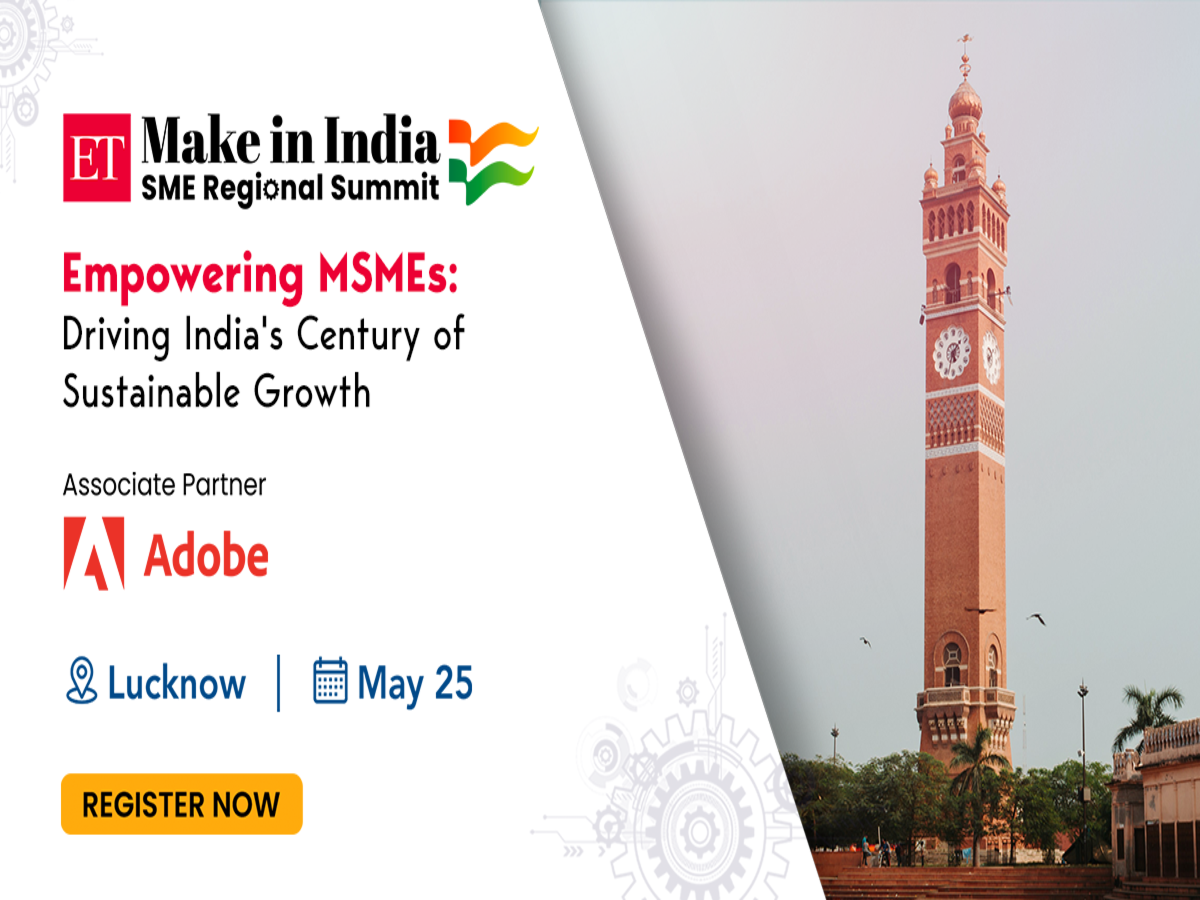
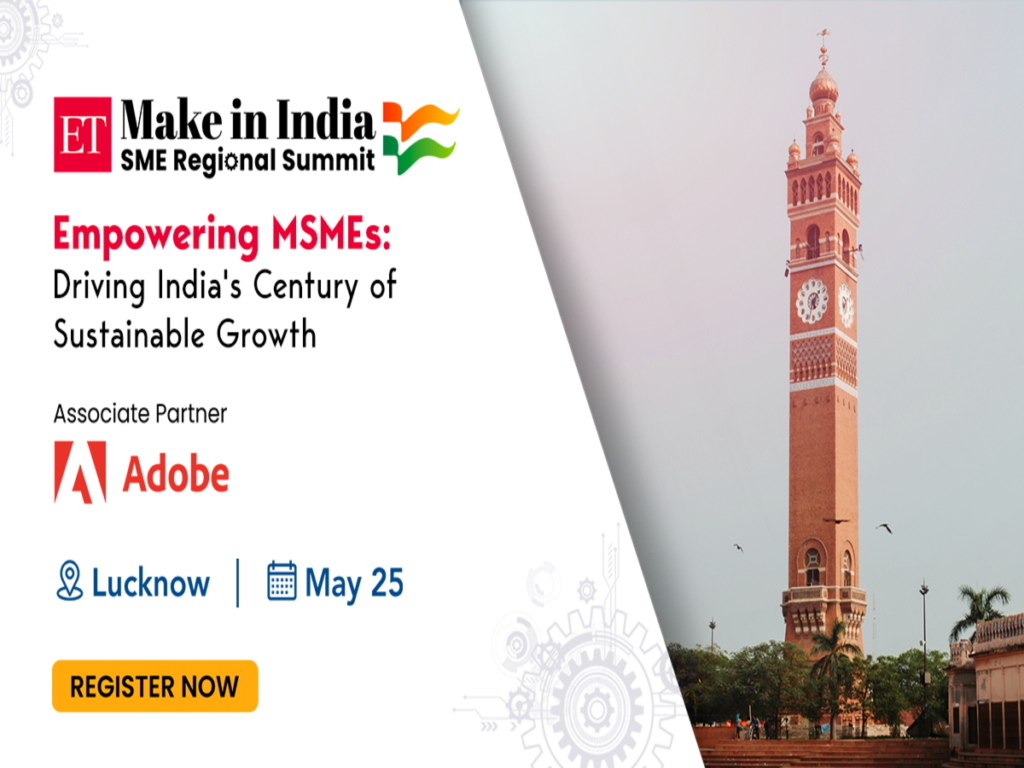
    On May 25, the ET Make in India SME Regional Summit will reach its second city for this year’s edition. Lucknow, renowned for its nawabi heritage and famous handicrafts, will host small businesses, industry leaders, and entrepreneurs in an engaging summit organized by Economictimes.com.

    According to the Udyam portal, Lucknow boasts 141,648 MSMEs, with 136,895 micro industries, 4,347 small enterprises, and 406 medium enterprises.

    With a rich history in textiles and handicrafts dating back to the 16th century, Lucknow has become a hub for handcrafted textiles and leather goods. The city is home to numerous businesses involved in the export of apparel, textiles, and leather.

    A report by CBRE South Asia highlighted that Uttar Pradesh is among the top three states contributing significantly to the Indian MSME sector, accounting for 9%. In this context, the ET Make in India SME Regional Summit will feature panel discussions and fireside chats addressing the challenges faced by the state’s labor-intensive MSMEs and craftspersons, and exploring ways to elevate their businesses to global prominence. The event will also provide a networking platform for enterprises, entrepreneurs, and industry leaders in the city and the state.

    The ET Make in India SME Regional Summit series is held across the country to bring together local MSMEs, policymakers, enablers, and industry stakeholders. These summits aim to discover opportunities, address challenges, and promote knowledge-sharing and networking to drive the next phase of growth for Indian MSMEs. This year’s theme is “Empowering MSMEs: Driving India’s Century of Sustainable Growth,” aiming to champion and fortify Indian MSMEs. Each summit will feature panel discussions, masterclasses, and demonstrations of MSME solutions.

    This is the second edition of the ET Make in India Regional Summit series. Last year’s inaugural edition covered Ahmedabad, Chennai, and Hyderabad, with a stellar turnout. The previous edition’s theme focused on enabling future-ready MSMEs to power the nation’s India@100 dream.

    The purpose of these regional summits is to increase awareness, promote networking, and support industry-specific learning. These events aim to recognize the efforts and accomplishments of MSMEs in their respective areas, and assist them in discovering opportunities and strategies to become globally competitive and future-prepared.

    The summits are hosted by Economictimes.com in collaboration with Adobe as the Associate Partner.

  • Finance Minister Nirmala Sitharaman: Industry Must Advance Up the Manufacturing Value Chain

    Finance Minister Nirmala Sitharaman: Industry Must Advance Up the Manufacturing Value Chain

    nirmala sitharaman

    Finance Minister Nirmala Sitharaman: Industry Must Advance Up the Manufacturing Value Chain

    Addressing a session on “Co-Creating the Future Responsibly: The Role of Business” at CII’s Annual Business Summit in New Delhi, Dr. V Anantha Nageswaran, Chief Economic Advisor, Government of India, emphasized the need to increase the share of manufacturing in the economy.

    “As India progresses from being the tenth largest to the fifth largest economy, aspirations rise along with such key milestones. It is important to recognize these aspirations and strive to meet them for a better standard of living,” he stated.

    Dr. Nageswaran highlighted several key priorities for achieving developed nation status, including improvements in human resource development, which are critical for higher economic growth. He emphasized the importance of cities as ecosystems for attracting talent and fostering entrepreneurship, innovation, and creativity. Converting India’s Tier 2 and Tier 3 cities into engines of growth, improving learning outcomes, preparing the youth for AI adoption, and focusing on physical health were identified as key focus areas.

    He stressed the creation of a vibrant small and medium enterprises sector, known as ‘Mittlestand’, and highlighted the importance of deregulation and lighter compliance burdens for MSMEs. Addressing factors of production such as land and labor markets and making power generation and distribution economically viable were also emphasized.

    Dr. Nageswaran pointed out the need for dialogue and consensus building with stakeholders to implement next-generation reforms amidst challenges from geopolitical fragmentation and climate change. He emphasized the importance of macroeconomic stability, prudent and sustainable government finance, and improved credit ratings, especially given the high geopolitical risks.

    He cautioned against taking the global environment for granted, citing risks such as geopolitical fragmentation, the impact of US fiscal policy and interest rates, China’s dominance in global manufacturing, and global financial stability. He stressed that the government cannot address these challenges alone and that private sector support is critical for societal advancement and a faster energy transition.

    Dr. Nageswaran also stressed the importance of social responsibility in innovations, including AI’s impact. He reiterated that Corporate Social Responsibility is integral to corporate responsibility, and meaningful actions across all areas are crucial for responsibly co-creating the future. (ANI)

  • TGIF Agribusiness Makes Strong Debut on BSE SME Platform with 61% Premium

    TGIF Agribusiness Makes Strong Debut on BSE SME Platform with 61% Premium

    TGIF-Agribusiness

    TGIF Agribusiness Makes Strong Debut on BSE SME Platform with 61% Premium

    TGIF Agribusiness made its debut on the BSE SME platform on Wednesday with shares opening at Rs 150, representing a premium of 61% over the issue price of Rs 93 per share.

    Prior to its listing, the company’s shares were trading at a premium of Rs 30 in the unlisted market.

    The Initial Public Offering (IPO) consisted of a fresh equity issue of 6.87 lakh shares and was oversubscribed 37 times due to strong interest from investors.

    The proceeds from the IPO will be utilized for purchasing agricultural equipment and irrigation systems, meeting working capital requirements, and for general corporate purposes.

    TGIF Agribusiness primarily operates as a horticulture company engaged in open farming of fruits and vegetables across more than 110 acres of farmland in Ajari, Kasindra, and Kojra villages.

    Pomegranate farming constitutes over 95% of the company’s revenue, supplemented by cultivation of dragon fruits, Sagwan trees, lemon, watermelon, and chilly in recent years.

    The company employs various farming techniques to ensure high-quality produce, such as fruit thinning to enhance crop size and quality, vegetative growth practices, fruit protection measures, and soil moisture management.

    The agriculture sector in India, boasting the world’s second-largest agricultural land, plays a pivotal role in employing nearly half of the country’s population, making farmers essential contributors to our sustenance.

  • The Uttar Pradesh government aims to attract investments of Rs 5,000 crore for the Defence Manufacturing

    The Uttar Pradesh government aims to attract investments of Rs 5,000 crore for the Defence Manufacturing

    Defence Industrial Corridor (UPDIC)

    The Uttar Pradesh government aims to attract investments of Rs 5,000 crore for the Defence Manufacturing

    The Union Environment Ministry has granted approval for the development of 60 hectares of land dedicated to the Uttar Pradesh Defence Industrial Corridor (UPDIC) in Chitrakoot.

    According to the Expressway Industrial Development Authority (UPEIDA), this approval will facilitate projects worth Rs 5,000 crore, potentially creating 100,000 job opportunities in Chitrakoot.

    A significant portion of Chitrakoot will be reserved as a greenbelt, and developers will incorporate modern measures for energy conservation, waste management, firefighting, and controlling noise, water, and air pollution. The UPDIC encompasses six nodes across Lucknow, Kanpur, Jhansi, Aligarh, Chitrakoot, and Agra districts.

    “This corridor is crucial for advancing the ‘Make in UP’ initiative of the Yogi Adityanath government and contributing to India’s military self-reliance and exports,” said a government official. The corridor will focus on producing drones, helicopters, arms, and ammunition.

    The state government has already approved defence manufacturing projects worth Rs 25,000 crore and signed 140 memorandums of understanding (MoUs) with both public and private companies. These MoUs include agreements with Adani Defence and Aerospace, BrahMos Aerospace, Ancor Research Labs, Tata Technologies, Bharat Dynamics Limited, Delta Combat Systems, SpiceJet Technic, Verivision, HAL, Gliders India, Defence Research & Development Organisation, Aerolloy Technologies, and others.

    The Expressway Authority plans to acquire nearly 5,000 hectares for UPDIC, with about 1,700 hectares already acquired and allotted to investors. Additionally, approximately 1,000 hectares have been allocated to investors in Jhansi for developing a hub dedicated to arms and ammunition production and testing, with Bharat Dynamics as the lead investor in Jhansi.

  • AI Spending Trends in India: BFSI and Manufacturing Lead Investment

    AI Spending Trends in India: BFSI and Manufacturing Lead Investment

    AI

    AI Spending Trends in India: BFSI and Manufacturing Lead Investment

    Artificial Intelligence (AI) spending in India is poised to triple to $5 billion by 2027, with the banking, financial services, and insurance (BFSI) and manufacturing sectors emerging as top industry spenders, as per an Intel-IDC report released on Tuesday.

    The report highlighted the BFSI sector’s transition from robotic process automation (RPA) to AI-driven automation, emphasizing areas such as security, productivity, and customer experience (CX). Advanced AI solutions incorporating behavioral analysis and fraud detection represent a shift towards more sophisticated and adaptable systems.

    Sharath Srinivasamurthy, Associate Vice President at IDC, addressed the primary challenges hindering AI adoption in India, citing unclear or lower-than-expected business outcomes and compliance issues as the top concerns.

    Additional challenges identified include skill shortages, high ownership costs that are difficult to justify, and process-related issues stemming from inadequate organizational support to coordinate cross-functional initiatives.

    Santhosh Viswanathan, Vice President and Managing Director of Intel India Region, emphasized India’s readiness for AI adoption, citing the country’s role as a significant producer of global data and its position as the third-largest global market. He noted India’s leadership in technical skill availability on a global scale.

    The IDC Asia/Pacific AI Maturity Study 2024 classifies India as an AI Practitioner (stage 2), with the country exhibiting strong potential in AI adoption. The report indicates that India’s performance aligns closely with the Asia/Pacific region average in the enterprise dimension, surpasses in the government dimension, and slightly lags in the socio-economic dimension.

  • Healthcare and Advanced Manufacturing Set for Major Investments in 2024

    Healthcare and Advanced Manufacturing Set for Major Investments in 2024

    Healthcare and Advanced Manufacturing

    Healthcare and Advanced Manufacturing Set for Major Investments in 2024

    New Delhi, May 14: Traditional sectors like healthcare and advanced manufacturing are poised to attract substantial investments in 2024. According to the India Private Equity Report by Bain and Company, a global management consulting firm, investors are showing strong support for established business models with significant long-term growth potential.

    In 2023, sectors such as healthcare and advanced manufacturing demonstrated resilience and gained market share, with these sectors accounting for 75 percent of the total investments. Healthcare investments surged to a record high of USD 5.5 billion in 2023, driven by a threefold increase in deals compared to 2022. Major transactions involved multi-specialty hospitals, including Manipal Hospital’s significant growth of 2.7 times over FY2021-23 and acquisitions of Columbia Asia and Vikram Hospitals.

    The report predicts robust deal activity in healthcare and advanced manufacturing across various sub-segments in 2024. Healthcare is expected to witness continued investment in multi-specialty and single-specialty hospitals, along with multiple-scale pharma and med-tech deals.

    Most traditional sectors remained resilient as investors maintained interest in mature businesses with strong long-term growth prospects. Five megadeals in this segment attracted total investments exceeding USD 1 billion and included entities like Manipal Hospitals, Reliance Retail, HDFC Credila, Adani Power, and Avaada Group. The consumer retail, healthcare, and energy sectors experienced robust growth of over 10 percent driven by these investments.

    Advanced manufacturing investments achieved a 20 percent compound annual growth rate (CAGR) over 2021-23, propelled by supply chain diversification, government incentives like the Production Linked Incentive scheme, and an influx of scale assets into the market. Significant investments were made in electric vehicle OEMs, with EV penetration increasing to over 6 percent in 2023 from 1 percent in 2019.

    In 2024, increased investments are expected in packaging, electronics, and EV sectors within advanced manufacturing. Electronics manufacturing is expanding rapidly with government support, and EV penetration is on the rise in India.

    However, investments in the IT/ITeS sector declined, with a 65 percent decrease due to elevated valuations and subdued demand in end markets. Similarly, investments in SaaS and new-age tech sectors declined by 60 percent as investors focused more on profitability and sustainable business models.

    The fintech sector also experienced a decline in 2023 due to regulatory constraints, rising non-performing assets (NPAs) in small-ticket loans, and uncertainty regarding the path to profitability.

    Consumer tech deal activity continued to decline as investors exercised caution and pulled back from large investments in businesses with unproven economics. (Agencies)

Login