Tag: uttar pradesh

  • Noida secures second Electronics Manufacturing Hub

    Noida secures second Electronics Manufacturing Hub

    CRISIL SME Tracker

    Noida secures second Electronics Manufacturing Hub

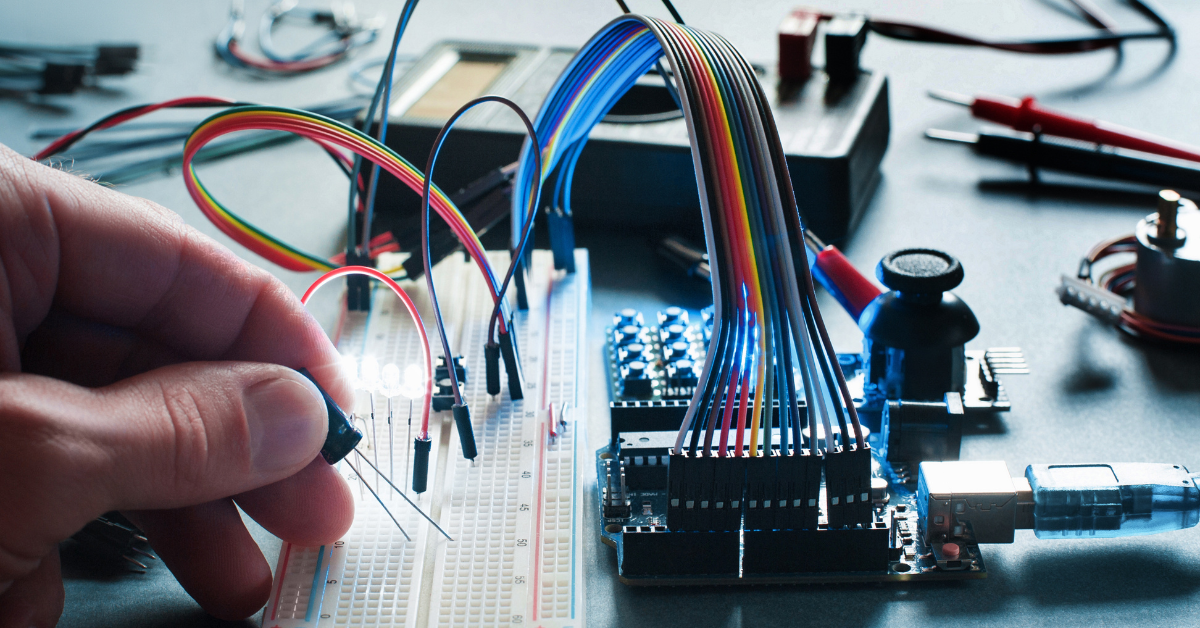
    Noida is set to receive a significant manufacturing boost with the government approval for a second electronics manufacturing cluster, EMC 2.0. This initiative, backed by a ₹417 Cr investment, aims to bolster local manufacturing and foster innovation within the electronics industry. The Union Government, operating through the Ministry of Electronics and IT, has given the green light for establishing the Electronics Manufacturing Cluster (EMC 2.0) in Noida, Gautam Buddha Nagar, Uttar Pradesh.

    Senior officials, including IT Minister Ashwini Vaishnaw and Minister of State Jitin Prasada, reviewed the project, highlighting its importance. The Yamuna Expressway Industrial Development Authority (YEIDA) will spearhead the industrial development of the Electronics Manufacturing Cluster 2.0 in Noida. Spanning across 200 acres, this cluster is anticipated to attract investments of approximately ₹2,500 crore, further catalysing economic growth in the region.

    Recognising the state government’s critical role, officials have been directed to collaborate closely with Uttar Pradesh authorities. This collaborative approach aims to ensure the swift and efficient execution of the project, maximising its positive impact on the local economy and the broader electronics industry.

    Investment And Job Creation

    The establishment of the electronics manufacturing cluster in Noida is projected to unlock substantial investment opportunities and create numerous jobs within the region. The anticipated ₹2,500 crore investment is expected to spur industrial development and attract both domestic and international companies involved in the electronics industry. This influx of capital will not only boost the local economy but also enhance Noida’s reputation as a prime destination for electronics manufacturing.

    Beyond the direct financial investment, the EMC 2.0 initiative promises a significant manufacturing boost to the job market. The cluster is forecast to generate a multitude of employment opportunities across various skill levels, ranging from highly skilled engineers and technicians to assembly line workers and support staff. This job creation will positively impact the livelihoods of thousands of families in Uttar Pradesh and contribute to the overall socio-economic development of the region. The government approval reflects a commitment to strengthening the electronics manufacturing sector and fostering economic prosperity through targeted investment and industrial development.

    The ₹417 Cr investment in infrastructure and facilities within the electronics manufacturing cluster is strategically designed to support the growth and competitiveness of businesses operating within the park. By providing access to world-class infrastructure and shared resources, the EMC 2.0 aims to lower operational costs and enhance productivity for companies. This will further incentivise investment and expansion, leading to even greater job creation and economic growth in the long term. Noida is set to become a hub for innovation and manufacturing excellence, attracting talent and driving economic prosperity for years to come.

    Challenges And Future Outlook

    Despite the promising outlook, the Noida electronics manufacturing cluster faces several challenges. Securing a consistent supply chain for raw materials and components is crucial. Fluctuations in global markets and geopolitical factors could disrupt the availability and pricing of essential inputs, potentially impacting production schedules and profitability. Furthermore, attracting and retaining skilled labour remains a key concern. The electronics industry requires a highly trained workforce, and Noida must invest in skill development programs to meet the growing demand. Competition from other manufacturing hubs, both within India and internationally, poses another challenge. Noida needs to differentiate itself by offering a competitive business environment, streamlined regulatory processes, and robust infrastructure.

    Looking ahead, the future of the electronics manufacturing cluster hinges on continuous innovation and adaptation. Embracing new technologies, such as automation and artificial intelligence, is essential to enhance productivity and efficiency. Furthermore, fostering collaboration between industry, academia, and research institutions can drive innovation and create a vibrant ecosystem. The government approval and ₹417 Cr investment provide a strong foundation, but sustained effort is required to ensure the long-term success of the project. Addressing these challenges proactively and capitalising on emerging opportunities will pave the way for Noida to become a leading electronics manufacturing hub and contribute significantly to the growth of the electronics industry in Uttar Pradesh.

    Moreover, environmental sustainability needs prioritising. As industrial development intensifies, it’s crucial to adopt eco-friendly manufacturing practices and minimise the environmental footprint of the electronics manufacturing cluster. Implementing waste management systems, promoting energy efficiency, and encouraging the use of renewable energy sources are vital steps. By embracing sustainability, Noida can attract environmentally conscious investors and ensure the long-term viability of the electronics manufacturing cluster.
  • Up government boosts msme exports with upnva campaign

    Up government boosts msme exports with upnva campaign

    MSME

    Up government boosts msme exports with upnva campaign

    The Uttar Pradesh government has officially launched the UPNVA campaign, a strategic initiative designed to significantly boost exports from the state’s Micro, Small, and Medium Enterprises (MSME) sector. The campaign aims to provide a comprehensive support system for small businesses, enabling them to access global markets more effectively. UPNVA represents a multi-pronged approach, incorporating training programmes, financial assistance, and logistical support to empower MSMEs to compete on an international scale. The up government envisions this campaign as a catalyst for economic growth, fostering job creation and enhancing the overall competitiveness of Uttar Pradesh.

    The UPNVA campaign will focus on identifying and nurturing export-ready MSMEs across various sectors within Uttar Pradesh. It includes workshops on export procedures, quality control, and international marketing strategies. Furthermore, the campaign will facilitate participation in international trade fairs and exhibitions, providing a platform for MSMEs to showcase their products and establish valuable business connections. The upnva campaign seeks to streamline the export process, reducing bureaucratic hurdles and making it easier for small businesses to navigate the complexities of international trade. The ultimate goal is to drive substantial growth in msme exports from Uttar Pradesh.

    Msme Export Growth Strategy

    The UP government’s MSME export growth strategy hinges on several key pillars. Central to this is identifying high-potential sectors within Uttar Pradesh, such as handicrafts, textiles, leather goods, and agricultural products. The UPNVA campaign will then provide targeted support to businesses in these sectors, helping them to adapt their products and processes to meet international standards. This involves rigorous quality control measures, adherence to global certifications, and the adoption of sustainable production practices.

    Another crucial aspect of the strategy involves strengthening the export infrastructure within Uttar Pradesh. This includes improving transportation networks, streamlining customs procedures, and establishing dedicated export promotion zones. The UP government is also working to enhance access to export finance, providing MSMEs with the capital they need to scale up their operations and compete effectively in international markets. This support extends to helping small businesses navigate complex trade regulations and access market intelligence, ensuring they are well-informed and prepared to succeed.

    Furthermore, the strategy emphasises the importance of collaboration between government agencies, industry associations, and academic institutions. The UPNVA campaign will facilitate partnerships between MSMEs and research institutions, promoting innovation and the development of new exportable products. It will also work closely with industry associations to identify common challenges and develop collective solutions. This collaborative approach is essential to creating a supportive ecosystem for MSME exports and driving sustainable economic growth across Uttar Pradesh.

    Government Support Initiatives

    The Uttar Pradesh government is implementing a range of support initiatives to bolster the UPNVA campaign and ensure its success. These initiatives include financial assistance programmes, skill development training, and infrastructure improvements specifically designed to benefit MSMEs. Subsidised loans and credit guarantee schemes are available to help small businesses access the capital they need to expand their production capacity and fulfil export orders. The up government understands the financial constraints often faced by msmes and is committed to providing targeted financial support.

    Furthermore, the upnva campaign provides extensive skill development training to enhance the capabilities of workers in the MSME sector. These training programmes cover a wide range of topics, including modern manufacturing techniques, quality control procedures, and international marketing strategies. The goal is to equip MSMEs with the skills they need to produce high-quality goods that meet international standards and to effectively market their products to global customers. The up government believes that investing in human capital is essential for driving sustainable export growth.

    In addition to financial assistance and skill development, the up government is also focusing on improving the infrastructure that supports MSME exports. This includes upgrading transportation networks, streamlining customs procedures, and establishing dedicated export promotion zones. The aim is to reduce the time and cost associated with exporting goods from Uttar Pradesh, making it easier for small businesses to compete in international markets. These initiatives collectively contribute to a more conducive environment for MSME growth and facilitate increased exports from the region.

    Expected Economic Impact

    The UPNVA campaign is projected to have a significant and multifaceted economic impact on Uttar Pradesh. By fostering growth in MSME exports, the campaign is expected to generate substantial revenue for the state, contributing to overall economic prosperity. Increased exports will lead to higher production levels, creating new employment opportunities across various sectors. This will not only reduce unemployment rates but also improve the living standards of many families in Uttar Pradesh. The up government anticipates a significant boost to the state’s GDP as a direct result of the campaign’s success.

    Furthermore, the UPNVA campaign is expected to enhance the competitiveness of Uttar Pradesh’s MSME sector on a global scale. By providing small businesses with the necessary training, financial assistance, and logistical support, the campaign will enable them to produce higher-quality goods and services that meet international standards. This will not only increase exports but also attract foreign investment to the state, further stimulating economic growth. The long-term impact of the UPNVA campaign is expected to be a more diversified and resilient economy in Uttar Pradesh, less reliant on domestic markets and more capable of competing in the global arena.

    The success of the UPNVA campaign will also have a positive ripple effect on other sectors of the Uttar Pradesh economy. Increased demand for raw materials and components from MSMEs will benefit local suppliers, creating further employment opportunities and stimulating economic activity in rural areas. The campaign is also expected to promote innovation and entrepreneurship, as small businesses are encouraged to develop new products and services for export markets. The upnva campaign represents a strategic investment in the future of Uttar Pradesh, with the potential to transform the state into a major export hub.

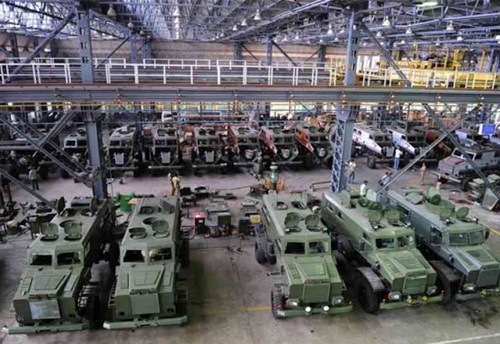
  • The Uttar Pradesh government aims to attract investments of Rs 5,000 crore for the Defence Manufacturing

    The Uttar Pradesh government aims to attract investments of Rs 5,000 crore for the Defence Manufacturing

    Defence Industrial Corridor (UPDIC)

    The Uttar Pradesh government aims to attract investments of Rs 5,000 crore for the Defence Manufacturing

    The Union Environment Ministry has granted approval for the development of 60 hectares of land dedicated to the Uttar Pradesh Defence Industrial Corridor (UPDIC) in Chitrakoot.

    According to the Expressway Industrial Development Authority (UPEIDA), this approval will facilitate projects worth Rs 5,000 crore, potentially creating 100,000 job opportunities in Chitrakoot.

    A significant portion of Chitrakoot will be reserved as a greenbelt, and developers will incorporate modern measures for energy conservation, waste management, firefighting, and controlling noise, water, and air pollution. The UPDIC encompasses six nodes across Lucknow, Kanpur, Jhansi, Aligarh, Chitrakoot, and Agra districts.

    “This corridor is crucial for advancing the ‘Make in UP’ initiative of the Yogi Adityanath government and contributing to India’s military self-reliance and exports,” said a government official. The corridor will focus on producing drones, helicopters, arms, and ammunition.

    The state government has already approved defence manufacturing projects worth Rs 25,000 crore and signed 140 memorandums of understanding (MoUs) with both public and private companies. These MoUs include agreements with Adani Defence and Aerospace, BrahMos Aerospace, Ancor Research Labs, Tata Technologies, Bharat Dynamics Limited, Delta Combat Systems, SpiceJet Technic, Verivision, HAL, Gliders India, Defence Research & Development Organisation, Aerolloy Technologies, and others.

    The Expressway Authority plans to acquire nearly 5,000 hectares for UPDIC, with about 1,700 hectares already acquired and allotted to investors. Additionally, approximately 1,000 hectares have been allocated to investors in Jhansi for developing a hub dedicated to arms and ammunition production and testing, with Bharat Dynamics as the lead investor in Jhansi.

Login