
Tag: news

  • Trent plans global retail push after acing it in India

    Trent plans global retail push after acing it in India

    Trent

    Trent plans global retail push after acing it in India

    Noel Tata-led Trent is venturing into international markets with a flagship store in Dubai, targeting the Indian diaspora. Zudio, a key brand, has surpassed ₹7,000 crore in revenue in India. The company experienced another year of substantial growth in FY24, with net sales increasing by 50% to ₹12,375 crore and net profit nearly quadrupling to ₹1,477 crore.

    Riding the wave of its success in the domestic retail market, Noel Tata-led Trent is exploring opportunities to set up its retail formats outside Indian shores, beginning with a flagship store in Dubai, said people in the know. This move comes as Zudio, one of its flagship brands, surpasses the ₹7,000-crore revenue mark in India.

    Trent had earlier deferred its global ambitions to consolidate domestic operations. Now, with a robust and profitable business model in place, the traditionally conservative retailer is now seeking to tap the substantial Indian diaspora overseas, becoming the first retailer to do so, the people said. It may consider an international ally for possible partnerships, though that is unconfirmed. Chief executive officer P Venkatesalu said the company, as previously, continues to explore possibilities .
    According to industry watchers, Trent has cracked a sustainable and profitable business model and has now gained the confidence to scale up abroad.
    Trent’s consolidated revenue has increased at a five-year compound annual growth rate of 45%, reaffirming its growth strategy driven by agile on-ground execution. Amid an apparel slowdown, Trent stands out as an anomaly, consistently delivering positive surprises in both revenue and profit margin.

    The company reported another strong growth year in FY24, with net sales surging 50% to ₹12,375 crore and net profit rising nearly fourfold to ₹1,477 crore. This robust performance was driven by a combination of strong like-for-like growth, aggressive expansion of Zudio stores and significant traction in emerging categories such as beauty and personal care, innerwear, and footwear.

    In the March 2024 quarter, its fashion apparel brand Westside unit added 12 stores, bringing the total store count to 232, while value fashion concept Zudio opened 86 new stores, taking its total count to 545.


    Shares of Trent gained 192% in the last one year and 305% over two years, compared with gains of 10% and 18% in the Sensex during the same periods.

    Trent was the top performer among all the Tata Group stocks during these periods.

    The only retailer pursuing an unconventional ‘own brands’ strategy, Trent had accelerated the expansion of its key formats – Westside, Zudio and Star Bazaar.


    Westside and Zudio are like two siblings playing in the fashion space. They vary on product, design, fabric, etc., but are still relevant at different price points. Moreover, the learnings from Westside helped build a strong Zudio model and the backend integration of the two brands is helping both businesses deliver synergistic growth,” Venkatesalu told ET.

    Trent’s brands are not sold on any other ecommerce websites except Tata platforms (Tata Neu and TataCliq). The Zudio format today contributes as much as 30% to total revenue compared with only 8% a few years back.


    The retailer is applying the same strategy at the Star Bazaar business in the food and grocery space and is witnessing some very strong customer traction.

    It has consistently delivered robust financial results, boasting 31% and 26% compound annual growth rates (CAGR) in revenue and profit, respectively, over the past five years. Trent is now seen by its management team as a platform that allows to originate, incubate and scale a portfolio of growth engines.


  • Exploring the Impact of India’s Evolving GCC Landscape on Fintech Innovation for SME Sector Growth

    Exploring the Impact of India’s Evolving GCC Landscape on Fintech Innovation for SME Sector Growth

    SME Sector

    Exploring the Impact of India’s Evolving GCC Landscape on Fintech Innovation for SME Sector Growth

    Through inventive strategies and cooperative endeavors, Global Capability Centers (GCCs) are playing a pivotal role in developing pioneering products and services aimed at fostering financial inclusivity.

    Initially established to capitalize on India’s cost-effectiveness, GCCs have evolved into crucial hubs for driving innovation and development across various sectors. Leveraging India’s technological prowess and skilled workforce, these centers offer a spectrum of services, including tech research, finance, audit, and operational support for their parent organizations worldwide.

    The SME sector has long grappled with limited access to credit. Fintech innovation, powered by advanced technologies like artificial intelligence (AI), machine learning (ML), blockchain, and big data analytics, holds the key to addressing this challenge. With access to a diverse talent pool comprising engineers, data scientists, and banking experts, GCCs are well-positioned to lead innovation in areas such as digital payments, lending, risk management, and customer engagement. This influx of talent not only benefits multinational corporations but also enriches the broader finance ecosystem on a global scale.

    For instance, JP Morgan’s Bengaluru global service center is expanding its scope to develop digital transformation solutions for its global operations. The team in India has created Story, a platform facilitating commercial real estate management, rent processing, market analysis, and tenant screening for smaller multifamily owner-operator businesses.

    GCC-driven advancements enable the swift delivery of customer-centric personalized solutions, streamline banking platforms, and transform payment and lending solutions. These digital innovations are particularly beneficial for small businesses, which often require timely access to capital to seize growth opportunities or address cash flow challenges.

    Moreover, GCCs foster knowledge sharing and collaboration among diverse business units. NatWest’s India centers, for example, collaborate closely with UK teams on core engineering projects, driving digital transformation and enhancing accessibility to banking services for customers.

    Additionally, GCCs and fintech companies in the BFSI sector collaborate in areas such as digital lending, payments, and risk monitoring to adapt to the evolving financial landscape. GCCs prioritize upskilling their talent in emerging tech areas to stay abreast of evolving technologies.

    In conclusion, India’s GCCs are driving digital transformation and fostering financial inclusion through innovative strategies and collaborative efforts, shaping the fintech landscape to better serve the needs of SMEs and other stakeholders.

  • Pharma and Electronics Manufacturing to Receive Boost in Modi 3.0

    Pharma and Electronics Manufacturing to Receive Boost in Modi 3.0

    Pharma and electronics

    Pharma and Electronics Manufacturing to Receive Boost in Modi 3.0 Era

    With the BJP anticipated to secure a significant portion of seats in UP, Gujarat, Maharashtra, Telangana, and Himachal Pradesh, industry leaders foresee a continued emphasis on local manufacturing. These states serve as major manufacturing hubs for Active Pharmaceutical Ingredients (APIs) and electronic goods.

    As the exit poll results indicate a clear victory for Prime Minister Narendra Modi-led BJP government at the center, stakeholders from sectors like pharmaceuticals, medical devices, and electronics manufacturing anticipate a substantial push for local production.

    According to the India Today-Axis My India exit poll, the BJP is expected to sweep all seats in Gujarat and Himachal Pradesh, as well as over 60 percent and 70 percent of Lok Sabha seats in Maharashtra and Telangana, respectively. These states play a pivotal role as manufacturing hubs for pharmaceuticals and medical devices. Additionally, the BJP is predicted to secure over 85 percent of seats in Uttar Pradesh and Andhra Pradesh, two states along with Telangana that are crucial for electronics manufacturing in the country.

    Boost for Pharma:

    A robust performance is anticipated by the BJP-led National Democratic Alliance (NDA) in key states, driven by a manifesto emphasizing the manufacturing of Active Pharmaceutical Ingredients (APIs) and advancing research. Raj Prakash Vyas, President-Corporate Affairs at Cadila Pharmaceuticals, highlighted potential benefits such as the expansion of PLI schemes to encourage domestic manufacturing and stringent quality control measures to combat spurious drugs.

    Vyas proposed the establishment of an Innovation Task Force (ITF) dedicated to pharmaceuticals, comprising experts from various fields, to accelerate the development and adoption of innovative solutions. Yogesh Mudras, Managing Director at Informa Markets, noted India’s leadership in the pharmaceutical industry and stressed the need for further investments in research and rural healthcare.

    Tuhin A Sinha, National Spokesperson for BJP, remarked that the exit polls support the PM’s vision of Viksit Bharat (developed India) and are positive for the pharmaceutical and healthcare sectors, where India has emerged as a global leader.

    India as an Electronics Hub:

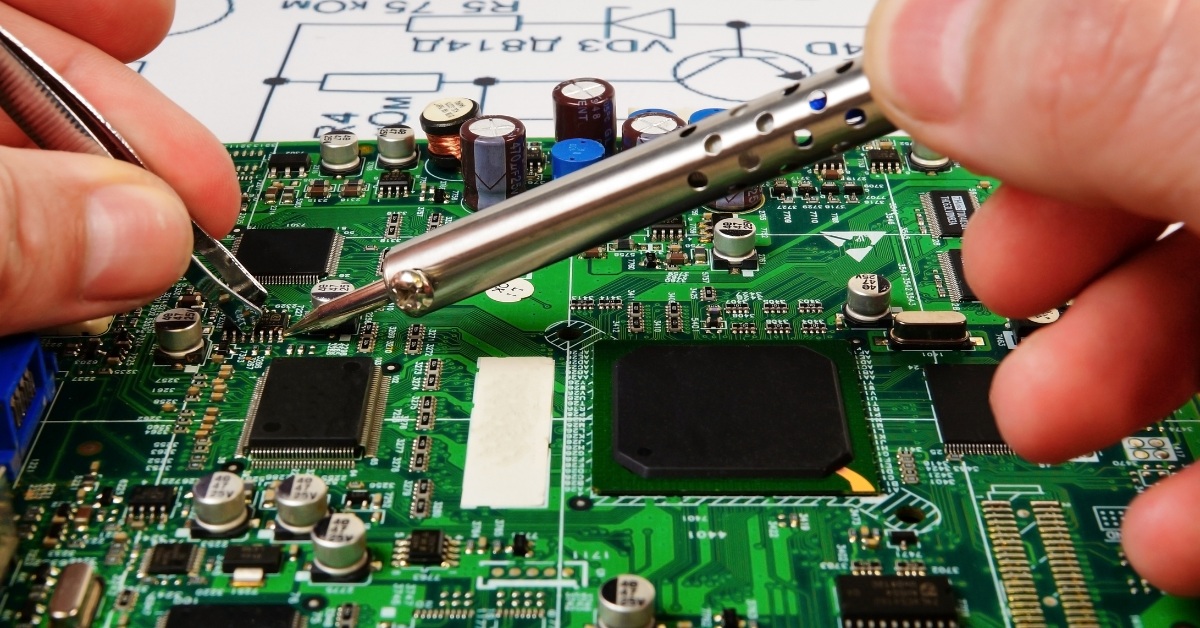
    With the BJP government at the center and gaining influence in major manufacturing hubs like UP, AP, and Telangana, the industry expects further impetus to transform India into a major hub for electronic exports. The government’s PLI scheme has attracted leading players to set up new plants, increasing capacity in areas like mobile handsets, LEDs, and components for air conditioners.

    Avneet Singh Marwah, CEO of Superplastronics, emphasized the importance of policy continuity and infrastructure development to support the industry. He also called for a reduction in GST rates on household items like TVs and ACs to stimulate demand.

    Rajiv Nath, forum coordinator of the Association of Indian Medical Device Industry (AiMeD), anticipates government support to enhance medical device manufacturing, advocating for a predictable tariff regime and fair pricing practices.

  • Why Sustainability Reporting Matters for SMEs

    Why Sustainability Reporting Matters for SMEs

    Small Business, Big Impact: Why Sustainability Reporting Matters for SMEs

    A new guide from ACCA (the Association of Chartered Certified Accountants) recognizes the vital role Small and Medium-sized Enterprises (SMEs) play in global supply chains. Their guide, titled “Sustainability Reporting – SME Guide,” empowers SMEs to create the sustainability reports increasingly demanded by regulators and stakeholders.

    Sundeep Jakhar, head of public affairs for ACCA in India, emphasizes the importance of sustainability practices for Indian SMEs, which make up a significant portion of the Indian business landscape. He acknowledges their unique challenges, such as limited resources, but highlights the numerous benefits sustainability reporting can unlock, including access to new markets and better financing opportunities. This translates to improved competitiveness on a global scale for Indian SMEs, helping them align with international standards.

    Report co-author Sharon Machado, head of sustainable business at ACCA, explains that creating and using sustainability information empowers SMEs, their advisors, and stakeholders to identify opportunities, manage risks, and ultimately strengthen their financial position. This translates to easier investment attraction, preferential terms with suppliers, and a competitive edge in the talent pool.

    As the demand for sustainability information rises, all organizations, including SMEs (which comprise 90% of all organizations globally), need to be prepared to provide information on their approach to managing sustainability risks and opportunities. This information is crucial for regulators, investors, and other stakeholders throughout the value chain.

    The ACCA guide highlights the competitive advantage SMEs can gain by communicating and using sustainability information. Report co-author Aaron Saw, head of corporate reporting insights at ACCA, acknowledges the challenges SMEs might face, especially financially. However, he emphasizes that evidence shows the effort is worthwhile. The ACCA encourages all SMEs to take small but crucial first steps towards creating sustainability reports, paving the way for a stronger and more competitive business.


    You can read here to learn more: https://smefutures.com/sustainability-related-information-enables-better-business-for-smes-says-new-guide-from-acca/

  • Recordent Announces 100+ Meets to Connect 10,000 Indian SMEs Nationwide

    Recordent Announces 100+ Meets to Connect 10,000 Indian SMEs Nationwide

    SME

    Recordent Announces 100+ Meets to Connect 10,000 Indian SMEs Nationwide

    HYDERABAD: Fintech firm Recordent announced on Thursday its plan to host over 100 Knowledge Meets, engaging with more than 10,000 SMEs across India. These events aim to analyze and streamline payment collection practices for the SME sector, addressing challenges in cash flow management and credit awareness. The initiative will kick off with inaugural events in Mumbai, Hyderabad, and Delhi.

    Recordent highlighted that over 90% of SMEs face significant payment delays, affecting business operations and continuity. By collaborating with industry associations, startups, enterprise unions, and SME executives, Recordent seeks to tackle collection issues within the industry. Discussions will focus on adopting new industry practices to improve accounts receivable collections and manage credit exposure and risk using payment data.

    These events will also serve as valuable networking platforms, allowing participants to gain insights and build connections within the industry.

    Winny Patro, CEO of Recordent, stated, “Over 90% of Indian SMEs face cash flow challenges due to extending credit to buyers, hindering growth and increasing failure rates. Our SME outreach strategically addresses this challenge head-on. By providing a comprehensive suite of solutions, from checking buyers’ credit history to managing defaults, we are committed to empowering SMEs to navigate cash flow challenges and seize growth opportunities.”

    Recordent offers a comprehensive suite of accounts receivable collections and credit risk management solutions. This includes payment reminder automation, invoice management, CIBIL-like credit registry reporting of defaults, cautionary and legal notices for recovery, collections analytics for informed decision-making, and credit bureau reports for credit assessment.

  • Display Manufacturing Needs Special Focus, Says ICEA

    Display Manufacturing Needs Special Focus, Says ICEA

    display manufacturing

    Display Manufacturing Needs Special Focus, Says ICEA

    The government is providing 50% fiscal support under the Rs 76,000-crore semiconductor incentive scheme for display fabrication.

    The India Cellular and Electronics Association (ICEA) emphasized on Tuesday the need for special attention to display manufacturing in India, which is currently the third-largest consumer of display products globally.

    Despite the government offering 50% fiscal support under the Rs 76,000-crore semiconductor incentive scheme for setting up display fabrication units, none of the three applications received for display fabs have been approved so far.

    “We have not made significant progress beyond display assembly. Displays constitute a major 15% to 20% of the Bill of Material, comparable to logic, memory, and semiconductors. This is a significant concern,” said Pankaj Mohindroo, chairman of ICEA.

    The association, which includes companies like Apple, Foxconn, Lava, and other Chinese handset and electronics companies, stresses the importance of focusing on this sector to establish India as a robust display manufacturing hub.

    Mohindroo added, “This sector needs special attention, and we are determined to make India a strong display manufacturing nation.”

    Experts believe that display manufacturing in India offers a unique opportunity to attract international companies looking to diversify their supply chains. This would not only meet domestic demand but also enhance exports from India.

    According to ICEA, the demand for displays in India is primarily driven by mobile phones, among other devices such as televisions, notebooks, tablets, and desktops.

    The total demand for displays in the country increased to 338.4 million units in 2023, up from 303.7 million units in 2022, with mobile phones accounting for 310 million display units in 2023. The overall display demand in India is expected to reach 383.5 million units by 2026.

  • Public Procurement: Government Purchase of MSME Goods Reaches Record High in FY24

    Public Procurement: Government Purchase of MSME Goods Reaches Record High in FY24

    MSME Goods

    Government Purchase of MSME Goods Reaches Record High in FY24

    In the financial year 2023-24, central public sector enterprises (CPSEs) set a new record in the procurement of goods and services from micro and small enterprises (MSEs). According to the MSME Ministry’s public procurement monitoring portal, MSME Sambandh, CPSEs procured goods worth Rs 75,253 crore from MSEs in FY24, marking a 16.2 percent increase from Rs 64,721 crore in FY23.

    Under the procurement policy, CPSEs are required to source at least 25 percent of their total procurement value from MSEs each year, with specific allocations: 4 percent from MSEs owned by SC/ST entrepreneurs and 3 percent from those owned by women entrepreneurs.

    The updated data on the portal, as of April 11, showed FY24 procurement at Rs 58,744 crore, indicating a significant update in the government’s figures. Earlier reports had shown a decline based on the available data at that time.

    In FY24, purchases from MSEs accounted for 35.6 percent of the total procurement, benefiting 2.18 lakh enterprises, compared to 37.1 percent in FY23, which involved 2.36 lakh enterprises.

    Procurement from SC/ST and women entrepreneurs amounted to Rs 1,406 crore (0.67 percent) and Rs 2,609 crore (1.24 percent) respectively, within the 25 percent minimum procurement share from MSEs. Comparatively, FY23 saw slightly higher procurement from SC/ST entrepreneurs at Rs 1,546 crore but lower from women-led MSEs at Rs 2,318 crore.

    Additionally, the Government eMarketplace (GeM), the commerce ministry’s e-commerce portal, reported over Rs 4 lakh crore in gross merchandise value (GMV) for FY24, doubling the Rs 2 lakh crore GMV of FY23. The order volume for FY24 was 62.79 lakh.

    The success of GeM has drawn interest from other countries in Asia and Africa, looking to emulate the model. As reported earlier, GeM is the third-largest public procurement platform globally, following South Korea’s KONEPS and Singapore’s GeBIZ.

  • Red Sea Crisis: Government Must Support MSME Exporters

    Red Sea Crisis: Government Must Support MSME Exporters

    Red Sea Crisis

    Red Sea Crisis: Government Must Support MSME Exporters

    The deteriorating security situation in the Red Sea has led to increased insurance rates and longer travel times for exporters.

    Logistics costs significantly impact the country’s manufacturing sector, export competitiveness, and global positioning. The Red Sea route, known for being shorter and faster, was the preferred choice for most shipping companies. Ships transporting goods from major Indian ports like Mumbai and JNPT used the Suez Canal to enter the Mediterranean Sea and reach various European ports based on their destinations.

    India heavily relied on this route for trade and energy imports. However, due to disruptions, exporters now have to diversify their trade routes. The worsening security in the Red Sea has resulted in higher insurance rates and longer travel times for exporters. Major shipping companies like Equinor and Maersk have increased their costs, severely impacting Indian companies. Disruptions in freight services and nearly a 50 percent increase in air freight charges have affected the export of perishable goods like vegetables, flowers, fruits, and eggs to the UK, the US, and other parts of the world.

    Exporters are anxious about the significant increase in freight costs, which will inevitably impact India’s exports. In the 2023-24 financial year, Indian exports saw substantial growth in both volume and value, totaling nearly $450 billion, with MSMEs playing a crucial role.

    The Indian research and information systems estimate that higher container shipping rates and delayed shipments due to route changes could lead to a significant drop in Indian exports in the coming year. Global supply chains have suffered as vessels now take longer routes for exports and imports. The immediate effects are increased freight costs, with small and medium industries in India being the major victims.

    The global credit crisis means the world may not be able to absorb this hit. Government agencies need to support the MSME sector to maintain growth and achieve a $5 trillion economy. New markets for perishable goods should be sourced in Asian and Far Eastern regions.

    Controlling export container pricing with an incentive mechanism could help mitigate the impact. Since seasonal perishable goods are at the highest risk, an urgent solution from government economic experts is needed.

  • India Logs Robust Business Activity Growth in May

    India Logs Robust Business Activity Growth in May

    HSBC Flash India Services All News Images Videos Shopping More Tools Private sector Hsbc bank Flash pmi Hsbc holdings Manufacturing pmi Business growth Business activity Hsbc survey Pmi data Flash PMI Estimates ... a day ago ABP Live - ABP News Flash PMI Estimates ... HSBC Flash India PMI indicates robust ... India Frontline HSBC Flash India PMI indicates robust ... amid cooling manufacturing, HSBC Survey ... 23 hours ago Mint amid cooling manufacturing, HSBC Survey ... HSBC Flash India PMI HSBC Global Research - HSBC Group HSBC Flash India PMI strong, HSBC Flash PMIs show ... Business Today strong, HSBC Flash PMIs show ... HSBC Flash India PMI indicates robust ... Business Today HSBC Flash India PMI indicates robust ... Business activity grew at fastest pace ... Mint Business activity grew at fastest pace ... HSBC Flash India PMI PMI, Purchasing Managers' Index - S&P Global HSBC Flash India PMI HSBC Flash PMIs ... 5 days ago Bloomberg HSBC Flash PMIs ... HSBC Flash India PMI HSBC India HSBC Flash India PMI HSBC Flash PMIs Show NDTV Profit HSBC Flash PMIs Show India's Services PMI Slips In April ... ABP Live - ABP News India's Services PMI Slips In April ... May PMI shows India's strong growth in ... 15 hours ago IndiaToday May PMI shows India's strong growth in ...

    India Logs Robust Business Activity Growth in May

    Driven by a sharp acceleration in the services sector, India’s business activity expanded at its third strongest rate in nearly 14 years. The HSBC Flash India Composite Output Index, or Flash PMI, rose to 61.7 in May from 61.5 in April, according to data released by S&P Global on Thursday.

    Services firms recorded a significant increase in business activity, the steepest in four months, while factory production rose at its slowest pace since February, stated S&P Global. Despite this, manufacturing continued to grow at a stronger rate than services.

    In May, the HSBC Flash India Services PMI Business Activity Index increased to 61.4 from 60.8 in April, whereas the HSBC Flash India Manufacturing PMI Output Index decreased to 62.4 from 63.0.

    The latest data highlights robust growth in new export orders across both the manufacturing and services sectors. At the composite level, international sales expanded at the fastest rate since the series began in September 2014, said S&P Global. “Respondents noted gains from many parts of the world, including Africa, Asia, Australia, the Americas, Europe, and West Asia.”

    Pranjul Bhandari, chief India economist at HSBC, noted that although manufacturing sector growth slowed slightly in May due to a decrease in new orders and production, “the rise in output in the manufacturing industry continued to surpass that in the services economy.”

    Meanwhile, reports of higher labor and material costs led to input prices across the private sector rising at the fastest pace in nine months. Increases were noted in prices for chemicals, food, plastics, electronic components, and electrical items.

    Aggregate selling prices also rose more significantly in May. The manufacturing industry saw a faster increase in charges, contrasting with the trend seen for input prices, noted S&P Global.

    Looking ahead, Bhandari mentioned that optimism for the year ahead reached its highest level in over 11 years, prompting firms to increase staffing levels. “However, higher input costs in both sectors led to further margin squeezes, particularly for service providers,” she said.

    The Flash India composite PMI is a seasonally adjusted index measuring the month-on-month change in combined output from India’s manufacturing and services sectors. Flash data, derived from 80-90% of total survey responses, aim to provide an early indication of the final data, released during the first week of the month.

    The index is compiled from surveys sent to panels of around 400 manufacturers and 400 service firms. Survey responses, collected in the second half of each month, indicate the direction of change compared to the previous month. A reading above 50 indicates expansion, while a reading below 50 indicates contraction.

  • Impact of Bribery on SMEs: Standing Against Corruption May Cost Business Opportunities, Survey Reveals

    Impact of Bribery on SMEs: Standing Against Corruption May Cost Business Opportunities, Survey Reveals

    Impact of Bribery on SMEs

    Impact of Bribery on SMEs: Standing Against Corruption May Cost Business Opportunities, Survey Reveals

    A global survey by the UK-based Association of Chartered Certified Accountants (ACCA) highlights the impact of bribery and corruption on SMEs worldwide. It found that 59% of SMEs and their advisers believe that resisting bribery and corruption could lead to lost business opportunities.

    While strong anti-bribery policies might result in lost trade, many respondents acknowledged that these policies are ethically correct and could benefit businesses. According to the survey, 77% of respondents thought such policies would boost customer confidence, and 68% believed they would increase the chances of trading with larger businesses or public bodies.

    “Many very small businesses lack the bargaining power to refuse small bribes, forcing entrepreneurs to choose between paying the bribe or losing the business,” said Jason Piper, ACCA’s Head of Tax and Business Law. ACCA has over 247,000 members in 181 countries.

    Unlike large companies, SMEs often lack structured reporting lines and management frameworks, relying heavily on personal relationships and daily interactions. This can make it difficult to recognize and address corruption issues until they become severe.

    The survey also found that 49.8% of respondents believe bribery and corruption negatively impact the business environment, with 66% viewing it as a concern.

    Despite high awareness and perceived effectiveness of anti-bribery legislation, compliance costs remain significant for SMEs, with 48% of respondents agreeing that local anti-bribery laws have added to their expenses.

    The implications for SMEs involved in bribery can be severe. Unlike large multinationals, small businesses often lack financial buffers, and money spent on bribes is money diverted from profits and local economic support, stunting investment and growth.

Login