Tag: news

  • India Attracts Foreign Investors for Boosting Critical Minerals Sector

    India Attracts Foreign Investors for Boosting Critical Minerals Sector

    indian mineral sector

    India Attracts Foreign Investors for Boosting Critical Minerals Sector

    India is actively courting foreign investors to bolster its critical minerals sector, aiming to diversify mineral extraction beyond dominant countries like China and mitigate supply chain vulnerabilities.

    During the critical minerals summit’s concluding day, Invest India showcased substantial business prospects in critical mineral processing to foreign investors, detailing fiscal and non-fiscal incentives designed to spur growth in this emerging sector.

    Mining states like Odisha and Andhra Pradesh also presented industry incentives, highlighting India’s growth trajectory and state-level efforts to foster supportive infrastructure. The summit emphasized a cluster-based approach to promote synergies across mineral extraction, refining, and end-use, particularly in low-carbon technologies.

    Under the Narendra Modi government’s accelerated exploration efforts, over 100 critical mineral blocks are now in the pipeline for auction to mining companies.

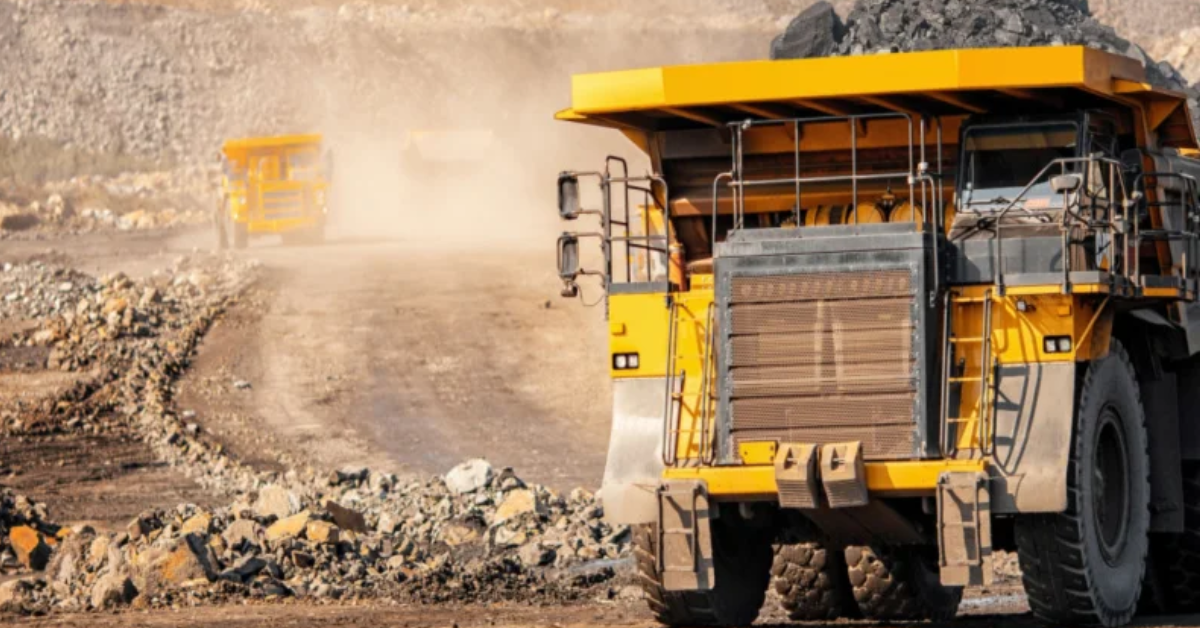
    Critical minerals such as lithium, chromium, nickel, graphite, cobalt, titanium, and rare earth elements are indispensable raw materials for electronics, electric vehicles, renewable energy, defense, and high-tech telecommunications. Given the dominance of a few countries in mineral extraction, notably China, diversifying the supply chain is critical to mitigate geopolitical uncertainties.

    Discussions at the summit highlighted the importance of regulatory certainty, financing frameworks, and Environmental, Social, and Governance (ESG) standards to attract investors. Invest India and the Industrial Promotion and Investment Corporation of Odisha (IPICOL) were lauded for their facilitation services in establishing processing and beneficiation capabilities in India.

    The summit brought together a diverse range of Indian and international stakeholders, including industry leaders, startups, government officials, scientists, academics, and policy experts, aimed at accelerating the domestic production of critical minerals to support India’s economic growth.

    Veena Kumari Dermal, Joint Secretary in the Ministry of Mines, emphasized efforts, both domestic and international, to secure critical mineral supply chains, enhance skill development, and focus on mineral recycling in India during her closing remarks. Dermal also highlighted India’s processing technologies for critical minerals and referenced offshore mining regulation amendments. The summit served as a transformative platform for dialogue and collaboration, paving the way for further discussions to outline steps necessary for India’s emergence as a global leader in the critical minerals sector.


  • CRISIL SME Tracker: Positive Shifts for Chemicals MSMEs

    CRISIL SME Tracker: Positive Shifts for Chemicals MSMEs

    Chemical MSME

    CRISIL SME Tracker: Positive Shifts for Chemicals MSMEs

    The outlook for the domestic chemicals industry is improving as demand rebounds and inventories stabilize.

    In the previous fiscal year, factors such as oversupply from China, weak demand in developed markets, and inventory adjustments led to subdued revenue growth.For the current fiscal year, Crisil Research expects the industry to rebound by 7-9% from a lower base.

    While certain segments like dyes and pigments, discretionary industries, and agrochemicals continue to face challenges, these are seen as temporary obstacles, and the medium- to long-term outlook remains optimistic.

    This positive outlook is particularly beneficial for the 292,856 micro, small, and medium enterprises (MSMEs) that constitute 30% of the domestic chemical industry (according to Ministry of Chemicals & Petrochemicals data), with significant clusters in Thane, Mumbai, and Ahmedabad. Nearly half of these enterprises are engaged in organic manufacturing, while others focus on dyes and pigments, soaps and detergents, with agrochemicals making up 8%.

    Among industry segments, specialty chemicals, representing 19-21% of the domestic industry, are expected to see margins rebound by 200-300 basis points this fiscal year after facing erosion last year due to high-priced inventories and lower product realizations.

    Within specialty chemicals, agrochemicals are projected to achieve 10-12% revenue growth this fiscal year after experiencing degrowth last year due to low prices and weak demand caused by El Niño and subsequent deficient rainfall. Agrochemicals margins are expected to normalize from the second quarter due to destocking of high-cost inventories.

    Colourants, another significant segment of specialty chemicals, are forecasted to achieve 4-6% revenue growth this fiscal year, driven by expectations of interest rate cuts in Europe and the US boosting discretionary spending. This follows a decline of 1-3% last year due to recessionary pressures and inflation affecting market sentiment.

    Overall, domestic producers may still face margin pressures as prices of key bulk materials could remain depressed due to ample supplies and the commissioning of newer capacities.

  • Considering Investment in Manufacturing? Opt for a Staggered Approach

    Considering Investment in Manufacturing? Opt for a Staggered Approach

    investment in manufacturing

    Considering Investment in Manufacturing? Opt for a Staggered Approach

    Financial planners are advising investors bullish on India’s manufacturing sector story to consider investing in HDFC Asset Management’s Manufacturing Fund, but they recommend spreading the investment over 12 months instead of making a lump sum investment at this time. First-time investors, however, may want to skip this fund launch.

    The NFO (New Fund Offer) of HDFC Manufacturing Fund, managed by Rakesh Sethia, is currently open and will close on May 10. Investors can start with as little as ₹100 in this fund, which will be benchmarked against the Nifty India Manufacturing TRI Index. An exit load of 1% will be charged for redemptions made within a month of investment.

    “Core sector manufacturing is poised for significant growth driven by government policies, technological advancements, and rising demand,” says Rajat Dhar, managing partner at Finogent Solutions. “Investors seeking to diversify their equity holdings beyond sectors like finance and technology can consider this fund and distribute their investments over the next 6-12 months.”

    At least 80% of the scheme’s portfolio will be allocated to shares of sectors such as capital goods, oil & gas, auto, healthcare, consumer durables, metals and mining, chemicals, textiles, and construction materials.

    Financial planners are cautioning new investors against rushing into thematic funds. “Investors should first build a core portfolio of diversified funds before exploring thematic funds,” advises S. Shankar, CFP, from Credo Capital.

    Originally posted on: https://economictimes.indiatimes.com/mf/analysis/bullish-on-theme-manufacturing-go-for-staggered-investment-plan/articleshow/109708560.cms?from=mdr

  • How Micro, Small, and Medium Enterprises (MSMEs) Can Harness Comprehensive Retail Solutions

    How Micro, Small, and Medium Enterprises (MSMEs) Can Harness Comprehensive Retail Solutions

    MSMEs

    How Micro, Small, and Medium Enterprises (MSMEs) Can Harness Comprehensive Retail Solutions

    Establishing a robust distribution and retail network is vital for business growth, demanding access to modern technology, reliable partners, and skilled employees. However, many MSMEs lack the resources and capabilities to develop and manage such networks, especially across vast geographies like India. Fortunately, specialized retail and distribution solution providers offer a lifeline to these businesses.

    According to Sundeep Holani, Co-founder and co-CEO of Channelplay, companies specializing in retail and distribution solutions can deliver turnkey offerings that leverage existing networks and capabilities, enabling MSMEs to expand their reach reliably and with lower risk.

    These comprehensive end-to-end sales solutions provide small businesses with a distinct competitive advantage by optimizing the entire value chain—from procurement and inventory management to order fulfillment and final delivery. This optimization enhances operational efficiency, reduces costs, and elevates the overall customer experience.

    Aman J Jain, CEO & Co-founder of Doodhvale, highlights the significant advantage of real-time analytics and data-driven demand forecasting embedded within these solutions. This capability minimizes waste, reduces operational expenses, and ensures timely processing, addressing common challenges faced by small businesses. Furthermore, such solutions offer invaluable insights into consumer behavior, purchasing trends, and market dynamics, empowering MSMEs to make informed decisions and customize offerings to outmaneuver larger competitors.

    Industry stakeholders emphasize that modern retail solutions enable MSMEs to deliver seamless omnichannel experiences akin to established brands, enhancing efficiency and competitiveness. Raghunandan Saraf, CEO and Founder of Saraf Furniture underscores the efficiency gained by integrating inventory management, order fulfillment, and customer relationship management systems, allowing businesses to respond dynamically and anticipate market trends.

    Moreover, by outsourcing non-core activities like logistics and payment processing to trusted partners, MSMEs can focus on essential functions, fostering sustainable growth and market differentiation.

    Ankit Agrawal, Director of Mysore Deep Perfumery House (MDPH), highlights the amplified advantages when MSMEs adopt end-to-end retail solutions encompassing merchandise planning, finance, warehousing, and point-of-sale operations. This integrated approach keeps MSMEs updated on critical aspects such as sales, distribution, and product popularity, empowering them to adapt swiftly to market dynamics and gain a competitive edge in the retail landscape.

  • India Focused on Bridging Infrastructure Gaps to Become Global Manufacturing Hub

    India Focused on Bridging Infrastructure Gaps to Become Global Manufacturing Hub

    Siemens Executives

    Siemens Executives: India Focused on Bridging Infrastructure Gaps to Become Global Manufacturing Hub

    According to senior executives at German manufacturing giant Siemens AG, India is actively addressing infrastructure challenges that have historically hindered its manufacturing growth, positioning the country to emerge as a top global manufacturing hub.

    Cedrik Neike, a member of Siemens AG’s managing board and CEO of Digital Industries, emphasized India’s strategic importance, highlighting the country’s imminent rise as a significant global player. “It (India) has always been important, but it’s on the brink of being an absolute major player, and we will do everything we can to support India’s growth and success,” Neike told ET.

    Sunil Mathur, managing director and CEO of Siemens India, pointed out India’s substantial capital expenditure (capex) commitments, with approximately 60% expected from the public sector and 40% from the private sector in the coming years. “There are not too many countries in the world that are spending $1.2 trillion of capex, so you will get the entire world coming in wanting to participate in India’s growth story,” Mathur stated.

    Siemens is actively engaged in discussions with leading entities like the Tata group to design supply chains for semiconductor manufacturing. Additionally, Siemens is exploring partnerships with other firms for the design of semiconductor and battery factories, as well as product and production process design.

    Neike highlighted India’s robust talent base, particularly in AI-centric development, emphasizing the country’s significance beyond being merely an “extended workbench” for Siemens. He underscored the pivotal role of Siemens’ Pune software center, which is globally recognized for its integration and innovation.

    Neike also discussed the broader economic landscape, noting the importance of efficiency and sustainability in driving businesses towards artificial intelligence (AI) solutions. Siemens is leveraging AI internally to enhance efficiency, simplify products, and harness its extensive data for industrial and energy sectors.

    In the context of global investments, Neike emphasized the significance of semiconductor manufacturing amid the AI revolution and geopolitical shifts. He also highlighted key focus areas for Siemens, including advancements in pharmaceuticals towards personalized medicine and the transition from internal combustion engines to electric vehicles in mobility.

    Despite global economic variances, Neike highlighted India’s resilience in the discrete manufacturing segment and emphasized the energy sector’s growth driven by sustainability efforts and electrification needs, positioning mobility for a sustained upward trend.

  • Why the SMB Financing Gap in India is an Exciting Opportunity for Fintech Founders

    Why the SMB Financing Gap in India is an Exciting Opportunity for Fintech Founders

    SMB Financing Gap in India

    Why the SMB Financing Gap in India is an Exciting Opportunity for Fintech Founders

    Small and medium business (SMB) financing in India poses a substantial opportunity for fintech founders, who can harness technology to revolutionize SMB lending. Despite challenges, fintech innovators have significant potential to pioneer solutions across four key themes.

    When SMB owners in India seek credit from banks today, they often face hurdles such as lack of credit history, insufficient collateral, and complex documentation requirements. Unable to meet formal lending criteria, many turn to informal sources like moneylenders, contributing to a fragmented market estimated at over $500 billion.

    Despite SMBs contributing significantly to the national GDP, they struggle with a persistent financing gap due to challenges faced by formal lenders, including high operational costs (OPEX) and non-performing assets (NPAs) within the SMB segment. Traditional lenders and Non-Banking Financial Companies (NBFCs) have made limited progress in addressing this gap.

    However, SMB financing in India presents a compelling opportunity for fintech founders to leverage technology and drive innovation in four key solution areas.

    One such solution theme is anchor lending, which involves introducing a credible anchor between lenders and borrowers. Anchors help reduce operational costs and minimize NPAs by sharing risk through mechanisms like First Loss Default Guarantee (FLDG) or providing borrower data for underwriting.

    Anchor-led lending leverages established institutions’ credibility to enhance SMBs’ access to finance, particularly in sectors like supply chain financing and education financing.

    Another solution theme is embedded lending, where financial options are integrated with non-financial products or services. This approach enhances loan conversion rates and reduces distribution costs by embedding lending services into existing customer relationships.

    A third solution, sunrise sector lending, focuses on emerging sectors with high growth potential, anticipating future financing needs not adequately addressed by traditional underwriting processes.

    Finally, sachet lending targets small loans (less than Rs 2 lakh) for short durations, making use of digitization to reduce operational costs and enable prompt loan disbursement.

    These innovative approaches signify the beginning of a transformative era for SMB financing in India. Fintechs and technology-led NBFCs are poised to drive substantial growth and bridge the financing gap by pioneering solutions tailored to the unique needs of SMBs in the country.

  • Indo-Japanese SME association on the anvil

    Indo-Japanese SME association on the anvil

    Indo-Japanese SME

    Indo-Japanese SME association on the anvil

    An initiative to forge an Indo-Japanese SME association is underway, aimed at facilitating Japanese small and medium enterprises (SMEs) to enter the burgeoning Indian market with support from both governments. Mehool N. Bhuva, President of the 70-year-old Indo-Japanese Association in Mumbai, emphasized the urgent need for intensified efforts to elevate India-Japan business partnerships to new heights.

    Speaking at a conference in Mumbai, Bhuva outlined the vision behind establishing an Indo-Japanese SMEs association based in Mumbai, with members from both countries’ SME sectors collaborating to form partnerships and penetrate the Indian market. However, he stressed that such an initiative requires robust support from the governments of India and Japan, particularly in overcoming language, cultural, and visa-related barriers.

    Bhuva highlighted the complementarity between Japanese resources—wealth and advanced technology—and India’s growing market potential, underlining the substantial investments made by Japan in Indian infrastructure projects like the Mumbai Trans Harbour Link. He anticipates further Japanese investments in emerging sectors such as semiconductors, IT, healthcare, and fintech in India.

    Currently, around 1,500 Japanese companies operate in India, primarily large corporations with global reach and banks. Bhuva noted that compared to China’s 20,000 Japanese businesses, India offers ample opportunities to attract more Japanese enterprises into its vibrant market landscape.

    In his role as the President of Mumbai-based consultancy Nichi Insurance Services Pvt Ltd, Bhuva assists Japanese businesses in navigating the Indian market, facilitating deals and investments that strengthen bilateral business ties. He highlighted the growing demand for IT talent from countries like India, the Philippines, and Vietnam among Japanese firms, underscoring the mutual benefits of fostering closer business collaborations.

    The international conference, organized by the US-based Entrepreneurs’ Organization (EO) and attended by delegates from 65 countries, served as a platform to promote entrepreneurship and foster global business connections. Bhuva’s efforts align with the broader vision of enhancing Indo-Japanese business synergies and leveraging each other’s strengths to drive economic growth and innovation.

  • UK Fintech Tide Sets Sights on Indian SMEs with ₹1,000 Crore Investment Plan

    UK Fintech Tide Sets Sights on Indian SMEs with ₹1,000 Crore Investment Plan

    UK Fintech tide

    UK Fintech Tide Sets Sights on Indian SMEs with ₹1,000 Crore Investment Plan

    Tide, a UK-based financial platform specializing in small and medium enterprises (SMEs), is eyeing significant investments in India, targeting ₹1,000 crore by 2026 to expand its presence in the country. Oliver Prill, the Global CEO of Tide, highlighted India as the fintech’s second core market after the UK, aiming to achieve substantial growth within the next five to ten years.

    Since its launch in India in December 2022, Tide has already established a strong foothold, with plans to increase its workforce to 1,000 employees by 2026. The company currently operates a product engineering center in Hyderabad, supporting its global operations.

    Tide’s focus in India revolves around empowering micro, small, and medium enterprises (MSMEs) to formalize their businesses, addressing the annual inflow of nearly 2 million micro and small units seeking to enter the formal economy. Oliver Prill emphasized that Tide’s competition in India primarily involves moneylenders and informal cash-based practices, which the fintech aims to replace by promoting formalization.

    “Our aspiration over the next 5-10 years is for India to become our second core market. This will require significant contributions to India’s development,” stated Prill, underlining Tide’s commitment to supporting India’s journey towards economic formalization.

    Despite the vast opportunities in India’s SME sector, Prill emphasized that Tide’s market share aspirations remain modest, focusing on contributing meaningfully to India’s economic development rather than achieving high market penetration.

    Tide’s expansion plans in India reflect its bullish outlook on the country’s evolving SME landscape, aligning with India’s rapid formalization and economic growth trajectory. The company’s investments in India extend beyond financial commitments, encompassing substantial support for people-related initiatives and marketing efforts to drive growth in the region.

    While Tide faces challenges in its home market of the UK, characterized by a shrinking pool of SMEs, India represents a dynamic market with rapid formalization trends. Tide views India as a strategic hub for internationalization, with recent entries into markets like Germany reflecting the fintech’s global ambitions.

    In addition to its investment plans, Tide has launched the Bharat Women Aspiration Index (BWAI) to champion women-led small businesses in India, highlighting the motivations, aspirations, and challenges faced by women entrepreneurs in Tier-II and beyond cities. This initiative underscores Tide’s commitment to fostering inclusive growth and supporting entrepreneurship in India’s evolving SME landscape.

  • Ministry of Heavy Industries receives bids for Advanced Chemistry Cell Manufacturing Units

    Ministry of Heavy Industries receives bids for Advanced Chemistry Cell Manufacturing Units

    Advanced Chemistry Cell Manufacturing Units

    Ministry of Heavy Industries receives bids for Advanced Chemistry Cell Manufacturing Units

    The Ministry of Heavy Industries in New Delhi has received bids from seven companies for the establishment of advanced chemistry cell (ACC) manufacturing units with a capacity of 10 GWh each, according to a press release from PIB.

    These companies submitted their bids under the Production Linked Incentives (PLI) Scheme for 10 GWh Advanced Chemistry Cell (ACC) on January 24, 2024. The pre-bid meeting took place on February 12, 2024, and the deadline for submitting applications was April 22, 2024. The list of bidding companies includes ACME Cleantech Solutions Private Limited, Amara Raja Advanced Cell Technologies Private Limited, Anvi Power Industries Private Limited, JSW Neo Energy Limited, Reliance Industries Limited, Lucas TVS Limited, and Waaree Energies Limited.

    The proposed battery manufacturing units collectively have a capacity of 70 GWh. In May 2021, the cabinet approved the National Programme on Advanced Chemistry Cell (ACC) for battery manufacturing with an allocation of Rs 18,100 crore. The first round of the ACC PLI bidding concluded in March 2022, with three beneficiary firms receiving a total capacity of 30 GWh.

    Program agreements with the selected beneficiary firms were signed in July 2022. On January 24, 2024, the government issued a Request for Proposal (RFP) to select a bidder to establish advanced chemistry cell manufacturing units with a total manufacturing capacity of 10 GWh and a maximum budgetary outlay of Rs 3,620 crore.

  • Exploring the Impact of Textile Innovations on India’s Fashion Future

    Exploring the Impact of Textile Innovations on India’s Fashion Future

    textile industry

    Exploring the Impact of Textile Innovations on India’s Fashion Future

    At the cusp of a transformative era, India’s textile industry is poised to take center stage on the global platform. Fueled by its rich cultural heritage, the industry is venturing into realms of innovation, sustainability, and international integration. As a pivotal contributor to the nation’s economic growth, it weaves an intricate fabric, ranging from traditional handloom to cutting-edge manufacturing units.

    Rooted in tradition, the Indian textile industry is witnessing a harmonious blend of sustainable fibers and innovative practices, attracting attention from global audiences and markets alike. Projections suggest that India’s textile and apparel manufacturers market will reach the $350 billion mark by 2030, indicating a promising trajectory of growth and innovation.

    The Visionary 5F Framework

    To bolster India’s ‘Make in India’ initiative, the government has expanded the 5F Framework—Farm to Fibre to Factory to Fashion to Foreign. Serving as a roadmap for the textile industry, this approach advocates holistic integration of the production process, from raw material cultivation to global product presentation. Particularly, in the realm of factory-to-fashion, emphasis is placed on modernizing manufacturing cycles and leveraging innovative technologies for enhanced efficiency and quality.

    Embracing Sustainable Fabrics

    In response to global eco-consciousness, India’s textile market is actively curating sustainable and ethical fashion narratives. Despite the historical dominance of animal fibers, the industry is exploring green fibers, such as SeaCell—a sustainable innovation derived from seaweed-like material. Prioritizing organic dyes and fair labor practices further propels the industry toward sustainable growth.

    Celebrating Cultural Textile Artistry

    India’s textile landscape boasts a rich cultural heritage, characterized by diverse garments from different regions. Traditional handloom techniques are revered for their intricate designs, while artisanal craftsmanship embodies individualistic expression. Inspiring fashion designers and global textile houses, India’s textile industry exudes authenticity and charm.

    Modernization Through Digital Technology

    Embracing modernization, India’s textile ecosystem is integrating technological advancements through digitization. AI algorithms enhance production efficiency, streamline supply chains, and optimize inventory management, catering to a tech-savvy consumer base.

    Conclusion

    Leveraging its strengths in cultivation, manufacturing, and design, India’s textile landscape, supported by government initiatives, offers promising opportunities. The convergence of traditional techniques with modern technology is poised to elevate India’s status as a global textile manufacturing hub. Amidst this journey from yarn to final product, India’s textile saga captivates the world with vibrant threads of innovation and sustainability.

Login