Tag: manufacturing

  • India Has Sufficient Domestic Tyre Capacity; Imports Should Not Be Liberalised Through FTAs: ATMA

    India Has Sufficient Domestic Tyre Capacity; Imports Should Not Be Liberalised Through FTAs: ATMA

    tyre manufacturing

    India Has Sufficient Domestic Tyre Capacity; Imports Should Not Be Liberalised Through FTAs: ATMA

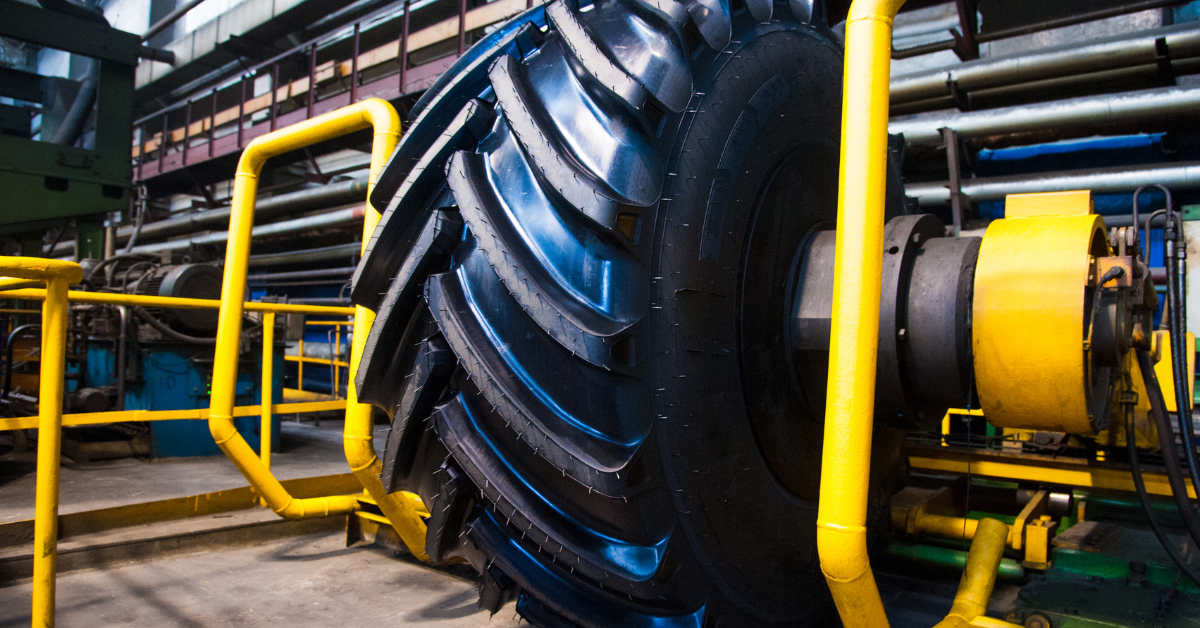
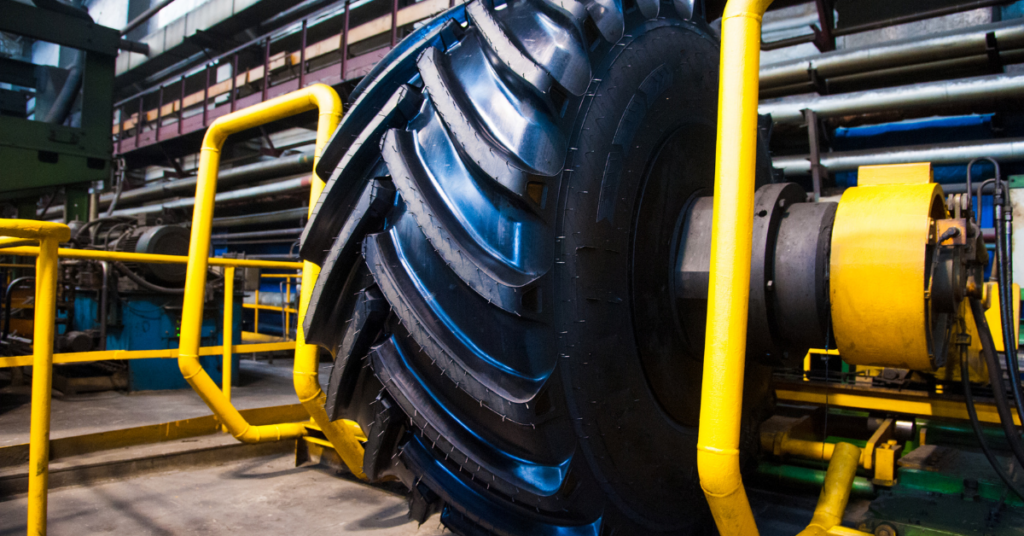
    India has ample tyre manufacturing capacity, and imports should not be liberalised through free trade agreements (FTAs) with duty concessions, according to the Automotive Tyre Manufacturers’ Association (ATMA). The industry body emphasized that domestic manufacturing capabilities in the automotive tyre sector are strong enough to make imports unnecessary, as communicated to the government.

    This feedback was provided in response to the government’s inquiry about sectors where India can achieve self-reliance, to ensure that upcoming FTAs protect domestic industries, ATMA stated.

    ATMA highlighted that India’s domestic tyre industry, one of the largest globally, produces over 200 million units annually across various categories, including two-wheelers, passenger vehicles, commercial vehicles, and off-road vehicles.

    Despite these capabilities, tyres worth over Rs 2,000 crore were imported in the first three quarters of FY24, marking a 27% increase from the same period the previous year, ATMA noted.

    “In recent years, the tyre sector has seen substantial investments, with leading manufacturers investing over Rs 35,000 crore in capacity expansion, technology upgrades, and research and development,” said ATMA Chairman Arnab Banerjee. “As new capacities come online, it is crucial to meet demand with domestic manufacturing rather than imports.”

    Banerjee added that the domestic tyre industry is well-equipped to meet the needs of both domestic and international auto original equipment manufacturers (OEMs) in terms of design, development, and regular supply for all vehicle types manufactured in the country.

    “The industry is ahead of the demand curve in producing all types of tyres. Auto OEMs are not importing tyres as the domestic industry meets their requirements,” Banerjee stated.

    ATMA also pointed out that the domestic tyre industry is a significant employer, providing livelihoods to over 500,000 people directly and indirectly involved in manufacturing, distribution, and related services.

    “Prioritising domestic tyre manufacturing is essential as it supports the livelihoods of over one million rubber growers in the country, with the tyre industry consuming over 70% of domestic natural rubber,” ATMA emphasized.

    By promoting domestic production and leveraging technological advancements, India can strengthen its position as a global leader in the tyre industry while generating employment, promoting sustainability, and driving economic growth, ATMA asserted.

  • Finance Minister Nirmala Sitharaman: Industry Must Advance Up the Manufacturing Value Chain

    Finance Minister Nirmala Sitharaman: Industry Must Advance Up the Manufacturing Value Chain

    nirmala sitharaman

    Finance Minister Nirmala Sitharaman: Industry Must Advance Up the Manufacturing Value Chain

    Addressing a session on “Co-Creating the Future Responsibly: The Role of Business” at CII’s Annual Business Summit in New Delhi, Dr. V Anantha Nageswaran, Chief Economic Advisor, Government of India, emphasized the need to increase the share of manufacturing in the economy.

    “As India progresses from being the tenth largest to the fifth largest economy, aspirations rise along with such key milestones. It is important to recognize these aspirations and strive to meet them for a better standard of living,” he stated.

    Dr. Nageswaran highlighted several key priorities for achieving developed nation status, including improvements in human resource development, which are critical for higher economic growth. He emphasized the importance of cities as ecosystems for attracting talent and fostering entrepreneurship, innovation, and creativity. Converting India’s Tier 2 and Tier 3 cities into engines of growth, improving learning outcomes, preparing the youth for AI adoption, and focusing on physical health were identified as key focus areas.

    He stressed the creation of a vibrant small and medium enterprises sector, known as ‘Mittlestand’, and highlighted the importance of deregulation and lighter compliance burdens for MSMEs. Addressing factors of production such as land and labor markets and making power generation and distribution economically viable were also emphasized.

    Dr. Nageswaran pointed out the need for dialogue and consensus building with stakeholders to implement next-generation reforms amidst challenges from geopolitical fragmentation and climate change. He emphasized the importance of macroeconomic stability, prudent and sustainable government finance, and improved credit ratings, especially given the high geopolitical risks.

    He cautioned against taking the global environment for granted, citing risks such as geopolitical fragmentation, the impact of US fiscal policy and interest rates, China’s dominance in global manufacturing, and global financial stability. He stressed that the government cannot address these challenges alone and that private sector support is critical for societal advancement and a faster energy transition.

    Dr. Nageswaran also stressed the importance of social responsibility in innovations, including AI’s impact. He reiterated that Corporate Social Responsibility is integral to corporate responsibility, and meaningful actions across all areas are crucial for responsibly co-creating the future. (ANI)

  • Healthcare and Advanced Manufacturing Set for Major Investments in 2024

    Healthcare and Advanced Manufacturing Set for Major Investments in 2024

    Healthcare and Advanced Manufacturing

    Healthcare and Advanced Manufacturing Set for Major Investments in 2024

    New Delhi, May 14: Traditional sectors like healthcare and advanced manufacturing are poised to attract substantial investments in 2024. According to the India Private Equity Report by Bain and Company, a global management consulting firm, investors are showing strong support for established business models with significant long-term growth potential.

    In 2023, sectors such as healthcare and advanced manufacturing demonstrated resilience and gained market share, with these sectors accounting for 75 percent of the total investments. Healthcare investments surged to a record high of USD 5.5 billion in 2023, driven by a threefold increase in deals compared to 2022. Major transactions involved multi-specialty hospitals, including Manipal Hospital’s significant growth of 2.7 times over FY2021-23 and acquisitions of Columbia Asia and Vikram Hospitals.

    The report predicts robust deal activity in healthcare and advanced manufacturing across various sub-segments in 2024. Healthcare is expected to witness continued investment in multi-specialty and single-specialty hospitals, along with multiple-scale pharma and med-tech deals.

    Most traditional sectors remained resilient as investors maintained interest in mature businesses with strong long-term growth prospects. Five megadeals in this segment attracted total investments exceeding USD 1 billion and included entities like Manipal Hospitals, Reliance Retail, HDFC Credila, Adani Power, and Avaada Group. The consumer retail, healthcare, and energy sectors experienced robust growth of over 10 percent driven by these investments.

    Advanced manufacturing investments achieved a 20 percent compound annual growth rate (CAGR) over 2021-23, propelled by supply chain diversification, government incentives like the Production Linked Incentive scheme, and an influx of scale assets into the market. Significant investments were made in electric vehicle OEMs, with EV penetration increasing to over 6 percent in 2023 from 1 percent in 2019.

    In 2024, increased investments are expected in packaging, electronics, and EV sectors within advanced manufacturing. Electronics manufacturing is expanding rapidly with government support, and EV penetration is on the rise in India.

    However, investments in the IT/ITeS sector declined, with a 65 percent decrease due to elevated valuations and subdued demand in end markets. Similarly, investments in SaaS and new-age tech sectors declined by 60 percent as investors focused more on profitability and sustainable business models.

    The fintech sector also experienced a decline in 2023 due to regulatory constraints, rising non-performing assets (NPAs) in small-ticket loans, and uncertainty regarding the path to profitability.

    Consumer tech deal activity continued to decline as investors exercised caution and pulled back from large investments in businesses with unproven economics. (Agencies)

  • CRISIL SME Tracker: Positive Shifts for Chemicals MSMEs

    CRISIL SME Tracker: Positive Shifts for Chemicals MSMEs

    Chemical MSME

    CRISIL SME Tracker: Positive Shifts for Chemicals MSMEs

    The outlook for the domestic chemicals industry is improving as demand rebounds and inventories stabilize.

    In the previous fiscal year, factors such as oversupply from China, weak demand in developed markets, and inventory adjustments led to subdued revenue growth.For the current fiscal year, Crisil Research expects the industry to rebound by 7-9% from a lower base.

    While certain segments like dyes and pigments, discretionary industries, and agrochemicals continue to face challenges, these are seen as temporary obstacles, and the medium- to long-term outlook remains optimistic.

    This positive outlook is particularly beneficial for the 292,856 micro, small, and medium enterprises (MSMEs) that constitute 30% of the domestic chemical industry (according to Ministry of Chemicals & Petrochemicals data), with significant clusters in Thane, Mumbai, and Ahmedabad. Nearly half of these enterprises are engaged in organic manufacturing, while others focus on dyes and pigments, soaps and detergents, with agrochemicals making up 8%.

    Among industry segments, specialty chemicals, representing 19-21% of the domestic industry, are expected to see margins rebound by 200-300 basis points this fiscal year after facing erosion last year due to high-priced inventories and lower product realizations.

    Within specialty chemicals, agrochemicals are projected to achieve 10-12% revenue growth this fiscal year after experiencing degrowth last year due to low prices and weak demand caused by El Niño and subsequent deficient rainfall. Agrochemicals margins are expected to normalize from the second quarter due to destocking of high-cost inventories.

    Colourants, another significant segment of specialty chemicals, are forecasted to achieve 4-6% revenue growth this fiscal year, driven by expectations of interest rate cuts in Europe and the US boosting discretionary spending. This follows a decline of 1-3% last year due to recessionary pressures and inflation affecting market sentiment.

    Overall, domestic producers may still face margin pressures as prices of key bulk materials could remain depressed due to ample supplies and the commissioning of newer capacities.

  • Considering Investment in Manufacturing? Opt for a Staggered Approach

    Considering Investment in Manufacturing? Opt for a Staggered Approach

    investment in manufacturing

    Considering Investment in Manufacturing? Opt for a Staggered Approach

    Financial planners are advising investors bullish on India’s manufacturing sector story to consider investing in HDFC Asset Management’s Manufacturing Fund, but they recommend spreading the investment over 12 months instead of making a lump sum investment at this time. First-time investors, however, may want to skip this fund launch.

    The NFO (New Fund Offer) of HDFC Manufacturing Fund, managed by Rakesh Sethia, is currently open and will close on May 10. Investors can start with as little as ₹100 in this fund, which will be benchmarked against the Nifty India Manufacturing TRI Index. An exit load of 1% will be charged for redemptions made within a month of investment.

    “Core sector manufacturing is poised for significant growth driven by government policies, technological advancements, and rising demand,” says Rajat Dhar, managing partner at Finogent Solutions. “Investors seeking to diversify their equity holdings beyond sectors like finance and technology can consider this fund and distribute their investments over the next 6-12 months.”

    At least 80% of the scheme’s portfolio will be allocated to shares of sectors such as capital goods, oil & gas, auto, healthcare, consumer durables, metals and mining, chemicals, textiles, and construction materials.

    Financial planners are cautioning new investors against rushing into thematic funds. “Investors should first build a core portfolio of diversified funds before exploring thematic funds,” advises S. Shankar, CFP, from Credo Capital.

    Originally posted on: https://economictimes.indiatimes.com/mf/analysis/bullish-on-theme-manufacturing-go-for-staggered-investment-plan/articleshow/109708560.cms?from=mdr

  • Ministry of Heavy Industries receives bids for Advanced Chemistry Cell Manufacturing Units

    Ministry of Heavy Industries receives bids for Advanced Chemistry Cell Manufacturing Units

    Advanced Chemistry Cell Manufacturing Units

    Ministry of Heavy Industries receives bids for Advanced Chemistry Cell Manufacturing Units

    The Ministry of Heavy Industries in New Delhi has received bids from seven companies for the establishment of advanced chemistry cell (ACC) manufacturing units with a capacity of 10 GWh each, according to a press release from PIB.

    These companies submitted their bids under the Production Linked Incentives (PLI) Scheme for 10 GWh Advanced Chemistry Cell (ACC) on January 24, 2024. The pre-bid meeting took place on February 12, 2024, and the deadline for submitting applications was April 22, 2024. The list of bidding companies includes ACME Cleantech Solutions Private Limited, Amara Raja Advanced Cell Technologies Private Limited, Anvi Power Industries Private Limited, JSW Neo Energy Limited, Reliance Industries Limited, Lucas TVS Limited, and Waaree Energies Limited.

    The proposed battery manufacturing units collectively have a capacity of 70 GWh. In May 2021, the cabinet approved the National Programme on Advanced Chemistry Cell (ACC) for battery manufacturing with an allocation of Rs 18,100 crore. The first round of the ACC PLI bidding concluded in March 2022, with three beneficiary firms receiving a total capacity of 30 GWh.

    Program agreements with the selected beneficiary firms were signed in July 2022. On January 24, 2024, the government issued a Request for Proposal (RFP) to select a bidder to establish advanced chemistry cell manufacturing units with a total manufacturing capacity of 10 GWh and a maximum budgetary outlay of Rs 3,620 crore.

  • Government Strategy to Boost Manufacturing and Services in India

    Government Strategy to Boost Manufacturing and Services in India

    manufacturing sector

    Government Strategy to Boost Manufacturing and Services in India

    Union Finance Minister Nirmala Sitharaman unveiled the government’s comprehensive plan on Saturday to transform India into a hub for manufacturing and services, aiming not only to cater to the domestic market but also to bolster exports.

    Responding to inquiries about Elon Musk’s postponed meeting with Prime Minister Narendra Modi, Sitharaman emphasized the government’s commitment to attracting investments through tailored policies. “We want manufacturers and investors to come and produce not just for India but also for exports,” she affirmed. “When big companies express interest in India, we will strive to create an attractive environment for them to invest.”

    Highlighting the government’s proactive stance, Sitharaman asserted that India’s policies have been instrumental, especially amid concerns about diversifying from China. She underscored the efforts to make India a favorable destination for manufacturing and services.

    Regarding inflation, Sitharaman noted that it remained within the tolerance band during the Modi government, contrasting with the double-digit inflation prevalent before 2014. “We have emerged as the world’s fifth-largest economy through hard work, and we are confident about reaching the third position in the next two to two-and-a-half years,” she added.

    Addressing employment concerns, Sitharaman acknowledged data limitations but highlighted initiatives like government job creation through the Rozgar Mela. She also discussed the rule requiring larger companies to pay Micro, Small, and Medium Enterprises (MSMEs) within 45 days, clarifying that tax treatment remains unchanged.

    Responding to queries about the Indian rupee’s depreciation against the US dollar, Sitharaman attributed the fluctuation to global uncertainties and oil supply disruptions from the Middle East.

    In her address to industry leaders from Gujarat on ‘Viksit Bharat -2047’, Sitharaman commended the state’s significant contributions to the Production Linked Incentive (PLI) scheme, particularly in semiconductor manufacturing. She highlighted Gujarat’s position in attracting foreign direct investment (FDI) in manufacturing and emphasized the role of the International Financial Services Centre (IFSC) at GIFT City in Gandhinagar in propelling India’s financial services sector.

    Sitharaman’s remarks underscored the government’s commitment to fostering a conducive environment for economic growth, positioning India as a leading destination for manufacturing and services in the global market.

Login