Tag: manufacturing

  • MSMEs: Quality Key for Defence & Aerospace Supply Chain

    MSMEs: Quality Key for Defence & Aerospace Supply Chain

    aerospace

    MSMEs: Quality Key for Defence & Aerospace Supply Chain

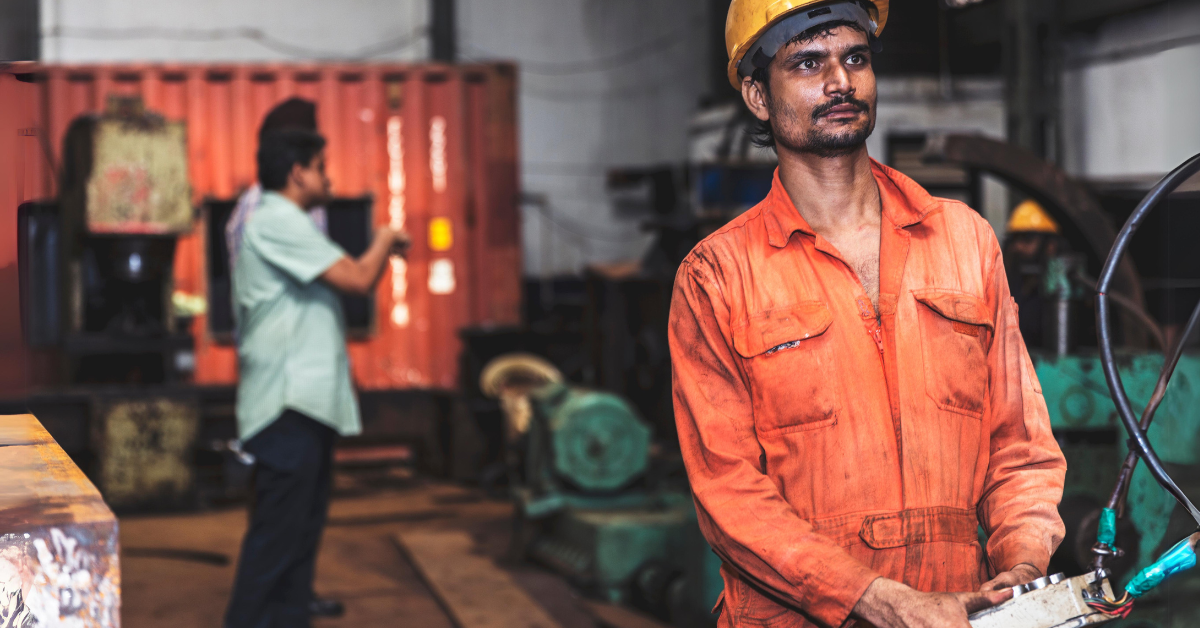
    Micro, Small and Medium Enterprises (MSMEs) operating within the defence and aerospace sectors must rigorously adhere to stringent quality standards to effectively integrate into the global supply chain. This was the key message delivered by Bharat Electronics Limited (BEL) chairman and managing director, Manoj Jain, at the curtain-raiser of the 7th edition of the India Manufacturing Show (IMS), also known as the ‘Aerospace & Defence Engineering Expo’.

    Jain emphasised that unwavering commitment to quality and achieving the appropriate certification are non-negotiable for MSMEs seeking to participate in the highly competitive global arena. He stated explicitly that “MSMEs must align with stringent quality and certification standards if they are to be part of the global supply chain.” This adherence to standards is crucial not only for accessing global markets but also for ensuring the reliability and performance of defence and aerospace products, ultimately boosting exports.

    Furthermore, Jain highlighted the need for flexibility from both large industries and MSMEs, while stressing that this flexibility should never come at the expense of regulatory compliance. Maintaining high standards alongside adaptability is vital for fostering a robust and responsive manufacturing ecosystem within the defence and aerospace industries.

    Msmes’ Challenges Outlined

    Despite the clear imperative for MSMEs to meet exacting quality standards, significant challenges remain in their journey towards integration into the defence and aerospace global supply chain. One of the primary hurdles is the cost associated with achieving the necessary certification. For many smaller enterprises, the investment required for testing, documentation, and process upgrades can be prohibitively expensive. This financial strain often limits their ability to compete with larger, more established players in the market.

    Another significant obstacle lies in accessing the latest technologies and expertise. MSMEs frequently lack the resources to invest in advanced manufacturing equipment or to hire skilled personnel with specialised knowledge of aerospace and defence requirements. This technology gap can hinder their ability to produce components that meet the stringent specifications demanded by prime contractors and international partners. The government and industry bodies need to facilitate technology transfer and skill development programs to bridge this gap.

    Furthermore, navigating the complex regulatory landscape presents a considerable challenge. Defence and aerospace industries are heavily regulated, with intricate compliance requirements that can be difficult for MSMEs to understand and implement. The lack of awareness and understanding of these standards can lead to errors and delays, potentially jeopardising their chances of securing contracts. Simplifying regulatory processes and providing clear guidance and support to MSMEs are essential steps to unlock their potential in boosting defence exports and fortifying the global supply chain.

    Global Opportunities Await

    For MSMEs that successfully navigate the challenges and embrace stringent quality standards and certification, significant global opportunities await within the defence and aerospace sectors. The increasing emphasis on indigenisation and self-reliance in many countries, including India, creates a burgeoning demand for locally sourced components and services. This shift presents a unique chance for MSMEs to step up and become integral parts of the global supply chain.

    Specifically, the growing global aerospace market, driven by increasing air travel and defence spending, offers substantial prospects for MSMEs specialising in areas such as precision engineering, electronics, and software development. By demonstrating their commitment to quality and adhering to international standards, these enterprises can secure contracts with major aerospace manufacturers and suppliers worldwide. This will not only enhance their revenue streams but also contribute to the overall growth of the domestic manufacturing base.

    Furthermore, the defence sector’s continuous need for upgrades and modernisation presents another avenue for MSMEs to thrive. Opportunities exist in providing components for military aircraft, naval vessels, and land-based systems. By focusing on innovation and developing cutting-edge technologies, MSMEs can position themselves as valuable partners to large defence contractors, both domestically and internationally. The focus on quality and exports can help these MSMEs integrate into the global supply chain.

  • Best ERP Software for SMEs in India (2025 Edition)

    Best ERP Software for SMEs in India (2025 Edition)

    ERP

    Best ERP Software for SMEs in India (2025 Edition)

    In today’s fast-evolving business landscape, small and medium-sized enterprises (SMEs) in India are increasingly recognizing the importance of digital tools for growth. One of the most critical tools among them is ERP software – a solution that centralizes operations, automates processes, and offers real-time visibility across departments.

    But with dozens of ERP solutions in the market, choosing the right one can be overwhelming. To make your decision easier, we’ve curated a list of the best ERP software for Indian SMEs in 2025, starting with a powerful homegrown solution: Vision ERP.

    Why SMEs Need ERP Software in 2025

    ERP (Enterprise Resource Planning) software is no longer just for large enterprises. Today’s SMEs need to manage increasing complexity from inventory and compliance to multi-location operations and customer expectations. Here’s how ERP helps:

    • Real-time business insights
    • Automation of repetitive tasks
    • Smarter inventory control
    • Scalable infrastructure for growth
    • Better compliance and audit readiness

    With cloud-based and AI-powered ERP systems becoming more affordable, SMEs now have access to enterprise-level tools at SME-level costs.

    1. Vision ERP by Proteus

    Vision ERP is a robust, AI-powered ERP solution designed specifically for Indian SMEs. Built by Proteus Technologies, this cloud-native software caters to diverse industries like pharmaceuticals, food processing, engineering, FMCG, and textiles.

    Standout Features:

    • AI-driven automation and predictive insights
    • Fast implementation (go live in days)
    • User-friendly, mobile-accessible interface
    • Industry-specific modules for faster onboarding
    • Real-time dashboards and reporting


    1. Zoho One (Zoho ERP)

    Zoho One offers a comprehensive suite of cloud applications that functions as an ERP for startups and service-driven SMEs. It’s ideal for teams looking for quick deployment and easy usability.

    Key Benefits:

    • Budget-friendly
    • Cloud-based and mobile-ready
    • Strong CRM, HR, and finance integration

    1. TallyPrime with Cloud Access

    Tally has long been the go-to software for accounting in India. With the advent of Tally on Cloud, it has become a basic ERP alternative for SMEs focusing on inventory and financial management.

    Why Consider It:

    • Easy transition for existing Tally users
    • Ideal for basic finance and stock control
    • Familiar and simple interface


    1. SAP Business One

    For SMEs that are scaling rapidly and require robust features, SAP Business One is a powerful ERP platform offering deep functionality and strong global support.

    Strengths:

    • Advanced reporting and analytics
    • Strong integration ecosystem
    • Best suited for manufacturing and distribution businesses

    1. ERPNext

    ERPNext is an open-source ERP developed in India, ideal for companies that prefer flexibility and in-house customization.

    Notable Features:

    • Modular structure with apps for CRM, HR, and Projects
    • Suitable for manufacturing, retail, and education sectors

    Active open-source community for support

    The best ERP solution for your business depends on your industry, budget, and how fast you want to scale. While global tools like SAP and Zoho offer depth and brand recognition, Indian solutions like Vision ERP stand out for their speed of implementation, localized features, and industry-specific flexibility.

    As we move deeper into 2025, SMEs that adopt smart ERP systems will have a clear edge in efficiency, decision-making, and growth readiness.

  • Govt notifies sez reforms

    Govt notifies sez reforms

    sez

    Govt notifies sez reforms

    The government has introduced ground-breaking reforms to the Special Economic Zones (SEZ) regulations, specifically targeting the unique demands of the semiconductor and electronics component manufacturing sectors in India. Recognising that manufacturing in these sectors is capital-intensive, reliant on imports, and subject to lengthy periods before profitability, the rule changes aim to stimulate pioneering investments and boost manufacturing in these high-technology sectors.

    Following amendments to Rule 5 of the SEZ Rules, 2006, an SEZ established solely for the manufacturing of semiconductors or electronic components will now require a minimum contiguous land area of just 10 hectares, a significant reduction from the previous requirement of 50 hectares. Further, changes to Rule 7 of the SEZ Rules, 2006, empower the Board of Approval for SEZs to waive the condition that SEZ land must be free of encumbrances in cases where it is mortgaged or leased to the Central or State Government or their authorised agencies.

    The amended Rule 53 now allows the value of goods received and supplied free of charge to be included in Net Foreign Exchange (NFE) calculations and assessed using relevant customs valuation rules. Moreover, amendments to Rule 18 of the SEZ Rules now permit SEZ units in the semiconductor and electronics component manufacturing sectors to supply domestically into the Domestic Tariff Area after paying the applicable duties. These key amendments aim to make SEZs more accessible and attractive for investment in these critical sectors.

    Impact On Businesses

    These SEZ reforms are poised to have a substantial impact on businesses operating within the semiconductor and electronics manufacturing sectors in India. The reduction in minimum land requirements will particularly benefit small and medium-sized enterprises (SMEs), allowing them to establish operations within SEZs without the burden of acquiring vast tracts of land. This increased accessibility could foster greater participation from domestic players, boosting competition and innovation within the industry.

    The relaxation of encumbrance norms provides much-needed flexibility for companies seeking to set up manufacturing units. Previously, the requirement for encumbrance-free land presented a significant hurdle, especially for businesses with existing land holdings that may have been mortgaged or leased. By allowing the Board of Approval to waive this condition in certain cases, the reforms will unlock opportunities for companies to leverage their existing assets and expedite the establishment of their SEZ operations.

    Furthermore, the inclusion of free-of-cost goods in NFE calculations offers a more realistic assessment of the economic contribution of SEZ units. This change acknowledges the prevalence of such arrangements in the semiconductor and electronics manufacturing industries, where components are often provided by parent companies or international partners. By accounting for these goods, the reforms will provide a more accurate picture of the net foreign exchange earned by SEZ units, potentially leading to more favourable policy decisions and incentives.

    The ability for SEZ units to supply domestically into the Domestic Tariff Area after paying applicable duties presents a significant opportunity for businesses to tap into the growing Indian market. This will enable them to diversify their revenue streams, reduce their reliance on exports, and cater to the increasing demand for electronics and semiconductor products within the country. This provision could also incentivise foreign companies to establish manufacturing facilities in India, with the aim of serving both domestic and international markets.

    Simplified Procedures

    The recent reforms to the SEZ regulations also encompass simplified procedures, designed to reduce bureaucratic hurdles and streamline operations for businesses. The Department of Commerce has implemented measures to expedite the approval process for new SEZ units and facilitate smoother customs clearances for goods moving in and out of these zones. These streamlined procedures are expected to significantly reduce the time and cost associated with setting up and operating within SEZs, making them more attractive to investors.

    One key aspect of the simplified procedures is the introduction of a single-window clearance system for various approvals and permits required by SEZ units. This system will consolidate multiple application processes into a single online platform, reducing the need for businesses to interact with numerous government agencies. This will not only save time and resources but also enhance transparency and accountability in the approval process.

    Furthermore, the government is committed to reducing the compliance burden on SEZ units by simplifying reporting requirements and adopting risk-based inspections. This means that businesses with a proven track record of compliance will be subject to fewer inspections and less stringent reporting obligations. This will allow them to focus on their core business activities, rather than spending excessive time on administrative tasks. These simplified procedures are expected to contribute significantly to the ease of doing business within SEZs, fostering a more conducive environment for investment and growth in the semiconductor and electronics manufacturing sectors in India.

    Future Outlook

    Looking ahead, these SEZ reforms are expected to catalyse a new era of growth and innovation within India’s semiconductor and electronics manufacturing sectors. The government envisions India emerging as a global hub for high-tech manufacturing, attracting significant foreign direct investment (FDI) and creating numerous high-skilled job opportunities. The recent policy changes are a crucial step towards realising this ambitious vision.

    Industry analysts predict that the reduced land requirements and relaxed encumbrance norms will lead to a surge in the number of SEZ applications, particularly from SMEs and domestic manufacturers. This increased participation could foster a more competitive and dynamic ecosystem, driving innovation and technological advancements within the semiconductor and electronics industries. The reforms are also expected to encourage existing SEZ units to expand their operations and invest in new technologies.

    Furthermore, the government plans to continue refining the SEZ policy framework based on industry feedback and evolving global trends. This includes exploring further simplifications to procedures, providing targeted incentives for research and development, and fostering collaborations between SEZ units and academic institutions. By remaining agile and responsive to the needs of the industry, India aims to solidify its position as a leading destination for semiconductor and electronics manufacturing, attracting both domestic and international investment in the years to come. The success of these SEZ reforms is crucial for India’s economic growth and its ambition to become a self-reliant manufacturing powerhouse.

  • India’s pmi leadership

    India’s pmi leadership

    manufacturing India

    India’s pmi leadership

    India’s economic performance, as reflected by its Purchasing Managers’ Index (PMI), paints a picture of robust activity across key sectors. Recent data indicates a sustained period of expansion, driven primarily by strong domestic demand and a resurgence in manufacturing output. This growth trajectory positions India favourably amongst both developed markets and emerging markets.

    The services sector has also played a crucial role in bolstering the overall economic performance. The sector is registering consistent growth, supported by increased consumer spending and a rise in business activity. This positive momentum in both manufacturing and services contributes significantly to India’s overall GDP growth.

    Furthermore, the PMI data reveals a positive trend in employment generation. Companies across both sectors are actively hiring to meet rising demand, which indicates increased confidence in the economic outlook. The composite PMI, which combines manufacturing and services, has consistently remained above the neutral 50 mark, signifying sustained expansion. In some months, the PMI reached its highest level in several years, indicating particularly strong growth.

    Pmi Drivers And Challenges

    Several factors underpin the positive PMI figures in India, while certain challenges need careful navigation. Strong domestic demand remains a primary driver. Government initiatives, such as infrastructure development projects and policies aimed at boosting local manufacturing, are also contributing to this growth. Furthermore, increased investment in technology and innovation is enhancing productivity and competitiveness across various sectors.

    Key Drivers:

    * Domestic Demand: A large and growing consumer base fuels demand for goods and services.
    * Government Initiatives: Infrastructure spending and pro-manufacturing policies stimulate economic activity.
    * Investment in Technology: Enhanced productivity and competitiveness through technological advancements.

    However, challenges persist. Global economic uncertainties, including inflationary pressures and geopolitical risks, could dampen demand and disrupt supply chains. Rising input costs, particularly for raw materials and energy, pose a threat to profitability. Moreover, infrastructure bottlenecks and bureaucratic hurdles can hinder efficient operations, particularly for manufacturing companies. A shortage of skilled labour in certain sectors also presents a significant obstacle to sustained growth.

    Key Challenges:

    * Global Economic Uncertainties: Inflation and geopolitical risks could impact demand and supply chains.
    * Rising Input Costs: Higher raw material and energy prices squeeze profit margins.
    * Infrastructure Bottlenecks: Inefficient infrastructure hinders operational efficiency.
    * Skilled Labour Shortage: A lack of skilled workers limits growth potential.

    The interplay between these drivers and challenges will determine the trajectory of India’s PMI in the coming months. Addressing the challenges effectively will be crucial to maintaining the current momentum and ensuring sustainable economic growth. The manufacturing and services sectors will both need to adapt to the changing global landscape to sustain the growth rate and reach even higher levels of performance.

    Global Comparison And Outlook

    When we consider India’s PMI performance in a global context, several interesting observations emerge. Compared to other emerging markets, India has consistently demonstrated a stronger and more resilient PMI. This is attributable to its relatively insulated domestic demand and proactive government policies. While many emerging economies are heavily reliant on exports, India’s domestic market provides a buffer against global economic headwinds.

    In contrast, when compared to developed markets, India’s PMI growth often outpaces that of its counterparts. Developed economies are facing challenges such as ageing populations, lower productivity growth, and higher levels of debt. These factors constrain their economic expansion, while India benefits from a young and growing workforce, increasing urbanisation, and a burgeoning middle class.

    Global Benchmarking:

    * Emerging Markets: India’s PMI demonstrates greater resilience due to strong domestic demand.
    * Developed Markets: India often shows higher growth due to demographic advantages and increasing urbanisation.

    Looking ahead, the outlook for India’s PMI remains positive, although some caution is warranted. Continued government support for manufacturing, infrastructure development, and skill development will be crucial in sustaining the current growth momentum. Furthermore, the Reserve Bank of India’s (RBI) monetary policy will play a key role in managing inflation and maintaining financial stability.

    Several international organisations have revised their growth forecasts for India upwards, reflecting increased confidence in its economic prospects. However, it is important to acknowledge the potential risks associated with global economic uncertainty and geopolitical tensions. A sharp slowdown in global trade or a significant rise in oil prices could negatively impact India’s PMI. Despite these challenges, India’s long-term growth potential remains substantial, driven by its demographic advantages, increasing urbanisation, and ongoing reforms.

    Future Outlook:

    * Government Support: Sustained support for manufacturing and infrastructure is essential.
    * Monetary Policy: The RBI’s role in managing inflation and maintaining stability is critical.
    * Potential Risks: Global economic uncertainty and geopolitical tensions pose challenges.

  • Govt policies boost manufacturing and services

    Govt policies boost manufacturing and services

    nirmala sitharaman

    Govt policies boost manufacturing and services

    The government has implemented a series of policies designed to bolster both the manufacturing and service sectors, aiming for comprehensive economic growth. These policies encompass a range of initiatives, from financial incentives to regulatory reforms, all geared towards creating a more favourable environment for businesses to thrive. FM Sitharaman has been a key proponent of these strategies, emphasizing the importance of a multi-pronged approach to economic development.

    A central tenet of the government’s approach involves targeted support for specific industries. This includes streamlining bureaucratic processes, reducing compliance burdens, and fostering innovation through research and development grants. The policies aim to attract both domestic and foreign investment, thereby increasing capacity and competitiveness within the manufacturing and service sectors. These measures are designed to unlock the full potential of the Indian economy.

    To boost manufacturing in the country, India is focussing on 14 priority sectors or sunrise sectors like electronics, semi-conductors, and pharma. The government is also actively working on improving infrastructure, including transportation and logistics networks, to facilitate the smooth movement of goods and services across the country. This infrastructure development is considered crucial for supporting the long-term growth of both the manufacturing and service sector, and enhancing India’s position in the global economy.

    Manufacturing Sector Growth

    The government’s commitment to enhancing the manufacturing landscape is evident in the tangible growth observed across various sub-sectors. Specific policies, such as the Production Linked Incentive (PLI) scheme, have incentivised domestic production and attracted significant investment in key areas. The PLI scheme offers financial support to companies that meet certain production targets, encouraging them to expand their operations and increase output. This has been particularly effective in sectors like electronics and automotive, where India is striving to become a global manufacturing hub.

    The automotive industry, for example, has witnessed a surge in manufacturing activity, driven by both domestic demand and export opportunities. The government’s support for electric vehicle (EV) production has further boosted the sector, with several companies announcing plans to manufacture EVs and related components in India. This push towards sustainable transportation is not only benefiting the manufacturing sector but also contributing to environmental goals.

    Furthermore, the focus on skill development is playing a crucial role in supporting manufacturing growth. Initiatives like the Skill India Mission are equipping the workforce with the necessary skills to meet the evolving demands of the industry. By providing training and vocational education, the government is ensuring that the manufacturing sector has access to a skilled labour pool, which is essential for maintaining competitiveness and driving innovation. FM Sitharaman has emphasised the importance of a skilled workforce in achieving the government’s manufacturing goals.

    Services Sector Expansion

    The service sector, a cornerstone of the Indian economy, has also experienced substantial expansion due to targeted government policies. This growth spans across various sub-sectors, including IT, tourism, healthcare, and financial services. The government’s focus on creating a conducive environment for businesses has been instrumental in attracting investment and fostering innovation within these areas.

    The IT sector, in particular, has been a major beneficiary of the government’s support. Policies aimed at promoting digital infrastructure, such as the BharatNet project, have enhanced connectivity and accessibility, enabling IT companies to expand their reach and offer services to a wider customer base. Furthermore, the government’s emphasis on skill development in emerging technologies like artificial intelligence and machine learning has ensured that the IT sector remains competitive on a global scale. This has resulted in significant export growth and job creation within the sector.

    The tourism sector has also witnessed a resurgence, with the government actively promoting India as a preferred tourist destination. Initiatives like the “Incredible India” campaign and the development of tourism infrastructure have attracted both domestic and international tourists. The government’s efforts to improve connectivity, including the expansion of airports and the development of tourist circuits, have further boosted the sector. This growth in tourism has not only generated revenue but has also created employment opportunities in related industries such as hospitality and transportation.

    Moreover, the government has been actively working on reforms in the financial services sector to enhance its efficiency and stability. Measures such as the introduction of digital payment systems and the promotion of financial inclusion have transformed the landscape of the sector. The government’s support for fintech companies has fostered innovation and competition, leading to improved services and greater accessibility for consumers. FM Sitharaman has highlighted the crucial role of the service sector in driving overall economic growth and creating employment opportunities.

    Economic Impact Analysis

    The government’s policies aimed at boosting both manufacturing and the service sector are having a discernible impact on the overall economy. Analysis reveals a positive correlation between these policies and key economic indicators, such as GDP growth, employment generation, and investment levels. The increased activity in both sectors is contributing to a more robust and diversified economy, reducing reliance on specific industries and creating a more resilient economic structure.

    Specifically, the manufacturing sector’s growth is translating into increased production, higher export volumes, and greater employment opportunities, particularly for skilled and semi-skilled workers. The Production Linked Incentive (PLI) schemes, for example, are not only attracting investment but also fostering technological upgrades and innovation within the manufacturing sector. This is leading to enhanced competitiveness and a greater ability to meet both domestic and international demand.

    Similarly, the expansion of the service sector is driving economic growth through increased exports of IT services, tourism revenue, and financial service activities. The government’s support for digital infrastructure and skill development is ensuring that the service sector remains a key engine of growth, contributing significantly to GDP and creating high-value jobs. Furthermore, the growth in the service sector is also supporting the manufacturing sector by providing essential services such as logistics, transportation, and financial support.

    FM Sitharaman has emphasised that the combined impact of these policies is creating a virtuous cycle of economic growth. Increased investment and production are leading to higher incomes and greater consumer spending, which in turn is driving further growth in both the manufacturing and service sectors. This positive feedback loop is essential for achieving sustainable and inclusive economic development, ensuring that the benefits of growth are shared across all segments of society. The government continues to monitor the impact of its policies and make adjustments as needed to ensure their effectiveness and maximise their contribution to the economy.

    Future Policy Directions

    Looking ahead, the government is committed to refining its policies to ensure sustained growth in both the manufacturing and service sectors. A key focus will be on streamlining regulatory processes further, reducing compliance costs, and fostering a more business-friendly environment. The aim is to attract even greater levels of domestic and foreign investment, thereby boosting capacity and competitiveness across various industries. FM Sitharaman has repeatedly stated the importance of adaptability and responsiveness in policy-making, emphasizing the need to continuously assess and adjust strategies based on evolving economic conditions and global trends.

    One area of particular attention will be promoting innovation and technological advancement. The government plans to increase investment in research and development, support start-ups, and encourage collaboration between industry and academia. This will involve creating a more conducive ecosystem for innovation, including strengthening intellectual property rights and providing access to funding and mentorship. The goal is to position India as a global hub for innovation, attracting talent and investment in cutting-edge technologies.

    Furthermore, the government recognises the importance of addressing infrastructure gaps to support long-term economic growth. Plans are underway to further improve transportation networks, enhance digital connectivity, and upgrade energy infrastructure. This includes expanding highways, railways, and airports, as well as investing in renewable energy sources and smart grid technologies. These infrastructure improvements will not only facilitate the movement of goods and services but also improve the overall quality of life for citizens.

    Skill development will remain a top priority, with the government aiming to equip the workforce with the skills needed to meet the evolving demands of the manufacturing and service sectors. This will involve expanding vocational training programs, promoting apprenticeships, and fostering closer collaboration between industry and educational institutions. The goal is to create a skilled labour pool that is capable of driving innovation, enhancing productivity, and supporting the growth of high-value industries. The government’s continued support in these areas will be crucial for ensuring the long-term competitiveness of the Indian economy.


  • Samsung Electronics Workers’ Strike Enters Fourth Week, Posing Challenge to India’s Manufacturing Hub Ambitions

    Samsung Electronics Workers’ Strike Enters Fourth Week, Posing Challenge to India’s Manufacturing Hub Ambitions

    Samsung

    Samsung Electronics Workers’ Strike Enters Fourth Week, Posing Challenge to India’s Manufacturing Hub Ambitions

    India’s efforts to position itself as a major manufacturing hub, an alternative to China, are facing a significant setback as over 1,000 workers at Samsung Electronics’ home appliances plant in Tamil Nadu continue their strike, now entering its fourth week. The workers have been protesting since September 9, demanding higher wages, union recognition, and adherence to an eight-hour workday. The factory, located in Chennai, accounts for nearly 20% of Samsung’s annual revenue in India, which stood at $12 billion for 2022-23.

    On October 3, local police detained 912 workers and union members during a street protest. They were released later, but the authorities have filed cases against them under eight different sections. The strike is primarily led by the Centre of Indian Trade Unions (CITU), with its state president, Soundarrajan, criticizing the Tamil Nadu government for failing to support the workers despite pre-election promises.

    Samsung, in a statement, emphasized that the average salary of full-time workers at the plant is nearly double that of similar workers in the region. It also indicated a willingness to engage in discussions to resolve the dispute. However, the company has labeled the strike illegal and taken legal action against CITU members, warning workers that they risk losing their jobs if they continue the protest.

    Workers’ Demands and Union Recognition
    The striking workers, who earn an average of Rs 25,000 ($300) per month, are demanding a wage increase to Rs 36,000 over the next three years. Central to their demands is the recognition of the newly formed Samsung India Labour Welfare Union (SILWU), which workers believe is essential for negotiating better wages and working conditions.

    CITU has joined the protests in solidarity, with union leaders voicing frustration over delays in recognizing SILWU. Police actions, including the detention of 120 employees and a CITU district secretary on September 16, have further escalated tensions. There are concerns that protests could expand across the state if demands are not met.

    Impact on Tamil Nadu’s Investment Drive
    The unrest at Samsung’s Chennai plant could undermine Tamil Nadu’s image as a preferred investment destination. The state has been working to attract high-profile investments, with recent developments such as Ford Motor’s plan to re-enter the Indian market by repurposing its Chennai plant for exports. Additionally, Tata Motors recently held a groundbreaking ceremony for a new manufacturing facility in Ranipet, set to produce next-generation vehicles for both Tata and Jaguar Land Rover (JLR). Tata Motors plans to invest Rs 9,000 crore in this facility, which is expected to have an annual production capacity of over 250,000 vehicles.

    However, disruptions at other key facilities, like Tata Electronics’ plant in Hosur, where a fire has temporarily halted production, further highlight the challenges facing Tamil Nadu’s industrial ambitions.

    Potential Long-term Consequences
    The ongoing strike at Samsung’s Chennai plant underscores broader concerns about labor relations and industrial unrest in India, especially at a time when the country is trying to establish itself as a global manufacturing hub. If the dispute continues, it could not only affect Samsung’s operations but also deter potential investors who are considering Tamil Nadu as a destination for setting up manufacturing units.

    The outcome of the strike will likely have broader implications for India’s manufacturing landscape, particularly as the government seeks to attract foreign investment and strengthen its position as a global production powerhouse.

  • India’s Manufacturing Sector Growth: 7% in Q1 Signals Further Potential

    India’s Manufacturing Sector Growth: 7% in Q1 Signals Further Potential

    manufacturing India

    India’s Manufacturing Sector Growth: 7% in Q1 Signals Further Potential

    India’s manufacturing sector experienced solid growth of 7% in the first quarter of fiscal year 2024-25, demonstrating its continued potential as a driver of economic expansion. Despite the country’s overall GDP growth slowing to 6.7%, down from 8.2% in the same period last year, the manufacturing sector remains a key pillar of development. This growth, though down 1.9% from the previous quarter, still represents a strong performance compared to the 5% recorded in Q1 last fiscal year.

    The Narendra Modi-led government has consistently prioritized the development of the manufacturing sector as part of its broader strategy to transform India into a $5 trillion economy. With initiatives such as the “Make in India” campaign and the Production Linked Incentive (PLI) scheme, the government aims to boost investment, create jobs, and increase the sector’s contribution to GDP.

    Initiatives to Boost Manufacturing

    India has long recognized the importance of the manufacturing sector in driving economic growth. The government’s focus on developing this sector began with cluster development in 1998 and has continued through various initiatives, including the National Manufacturing Policy in 2011, the “Make in India” campaign in 2014, and the PLI scheme launched in 2020. Most recently, the announcement of 12 industrial smart cities in August 2024 demonstrates the government’s ongoing commitment to creating a robust manufacturing ecosystem.

    These efforts have attracted high-profile investments in sectors such as electronics, chip manufacturing, and battery production, although the pace of investment remains slow. Employment in the manufacturing sector saw a significant 7.5% increase in 2022-23, according to the Ministry of Statistics and Programme Implementation (MoSPI).

    Future Outlook and Challenges

    Despite the government’s efforts, the manufacturing sector faces significant challenges. The Colliers report projects that India’s manufacturing market could reach $1 trillion by 2025-26, though this ambitious target may be difficult to achieve given the current contribution of $0.46 trillion. Additionally, the sector’s share of India’s Gross Value Added (GVA) has declined to 14.27% in FY 2023-24, down from the government’s target of 25%.

    The sector also faces volatile growth, with factors such as rising input costs, elevated freight charges, and disruptions in supply chains squeezing profitability. Domestic and foreign demand remain weak, with domestic demand growing by just 4.03% in FY 2023-24 and exports increasing by only 2.63%.

    Policy Recommendations

    To unlock the full potential of India’s manufacturing sector, the government must focus on stimulating demand, simplifying labor laws, rationalizing GST rates, and supporting MSMEs. The 15% tax initiative for new manufacturing companies has shown promise and should be extended, while the PLI scheme implementation needs to be streamlined to encourage more investment.

    By addressing these challenges and continuing its focus on manufacturing, India can strengthen its position as a global manufacturing powerhouse and make significant strides toward becoming a $5 trillion economy.

  • Manufacturing Sector to Contribute 25% to India’s Economy by 2047: Piyush Goyal

    Manufacturing Sector to Contribute 25% to India’s Economy by 2047: Piyush Goyal

    piyush goyal

    Manufacturing Sector to Contribute 25% to India’s Economy by 2047: Piyush Goyal

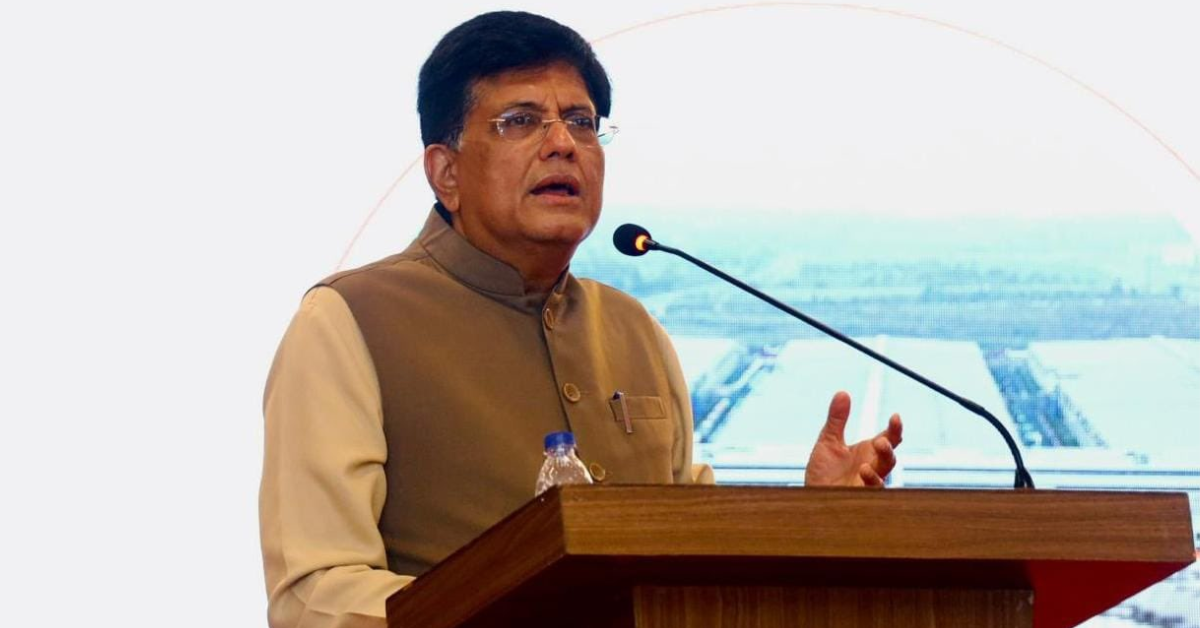
    On the 10th anniversary of the ‘Make in India’ initiative, Union Minister of Commerce and Industry Piyush Goyal emphasized the central role manufacturing will play in India’s future economic growth. Speaking on Wednesday, Goyal projected that by 2047, the manufacturing sector will contribute 25% to India’s economy.

    “As we enter Amrit Kaal, India’s manufacturing base will steadily expand to meet both domestic and global demands. By 2047, manufacturing will account for a quarter of the economy. We also expect the rise of more industrial townships equipped with modern plug-and-play infrastructure,” Goyal stated in an interview with ANI.

    He highlighted India’s transformation into a global manufacturing hub, crediting the collaborative efforts between public and private sectors, both within the country and internationally. “The world now views India as a key destination for manufacturing,” Goyal added.

    Reflecting on the economic progress of the past decade, Goyal drew comparisons to the earlier period under previous administrations, referring to the time between 2004 to 2014 as a “lost decade.”

    “From 2004 to 2014, India experienced economic stagnation. Investor confidence was eroded, corruption was rampant, and getting environmental clearances was nearly impossible during the Congress administration. The economy faltered, foreign exchange reserves and growth plummeted, the rupee depreciated, and inflation soared. Domestic investments stalled, and the overall outlook was bleak. But in 2014, PM Modi took charge, transforming the last decade into one where macro-economic fundamentals were strengthened. Initiatives like Startup India, One District One Product, and the creation of 20 new industrial smart cities were launched, compliance burdens were reduced, and ease of doing business rankings improved,” he explained.

    Goyal also pointed to the surge in job creation driven by the manufacturing sector, citing the success of Apple’s iPhone 16, which is now made in India. “The iPhone 16 is being manufactured by women working at a factory in Chennai, Tamil Nadu. Similarly, India, once a country that imported air conditioners, has now emerged as a global manufacturer and exporter of air conditioning equipment, with 50% of components produced domestically. With four new compressor plants coming online, India will soon be a major exporter of air conditioners.”

    He further noted that as the manufacturing sector grows, it fosters job creation in multiple areas, including factory construction, housing, infrastructure development, and logistics. “Manufacturing not only creates jobs but builds an ecosystem that fosters entrepreneurship and provides employment for young men and women. Let the critics continue, but the reality is clear: manufacturing is driving India’s economic success,” Goyal concluded.

  • India’s Manufacturing Sector Growth Slows in July Amid Softer Orders and Output

    India’s Manufacturing Sector Growth Slows in July Amid Softer Orders and Output

    manufacturing sector

    India’s Manufacturing Sector Growth Slows in July Amid Softer Orders and Output

    New Delhi: India’s manufacturing activity eased slightly in July due to softer increases in new orders and output, following a recovery in June from a three-month low in May.

    The HSBC final India Manufacturing Purchasing Managers Index (PMI), compiled by S&P Global, recorded 58.1 in July, compared to 58.3 in June, 57.5 in May, and 58.8 in April. This index is based on responses from around 400 manufacturers.

    Although the July reading was marginally lower than the flash projection of 58.5 released last month, it remained above both its long-term average and the 50-point threshold separating contraction from expansion, marking nearly three years of continuous growth.

    “India’s manufacturing sector continued to post impressive growth in July, despite slightly softer increases in new orders and output. Key positive developments included one of the fastest expansions in international sales in over 13 years and another robust round of job creation,” the report stated.

    However, strong demand also led to price pressures, with input costs rising at one of the quickest rates in nearly two years, resulting in the steepest increase in selling prices since October 2013.

    Buoyant Demand

    The report highlighted that buoyant demand had a positive ripple effect across the manufacturing industry, particularly through a substantial increase in new work intakes. Despite a slowdown since June, the pace of sales growth remained sharp, with production volumes significantly raised at the start of the second fiscal quarter.

    “India’s headline manufacturing PMI showed a marginal slowdown in the pace of expansion in July, but with most components remaining at robust levels, the small drop is no cause for concern,” said Pranjul Bhandari, chief India economist at HSBC. “New export orders remain a bright spot… The continuous increase in the output price index, driven by input and labor cost pressures, may signal further inflationary pressure in the economy.”

    Normal Monsoon Predicted

    The Reserve Bank of India (RBI) has raised its FY25 GDP growth forecast from 7% to 7.2%, supported by improved rural and urban demand and predictions of a normal monsoon. These monsoon predictions are positive for agricultural output growth, with robust government capital expenditure, strong investment demand, and upbeat consumer and business sentiment contributing to the resilience of the Indian economy. However, geopolitical tensions and divergent monetary policies of major central banks have increased uncertainty.

    In its June meeting, the RBI’s Monetary Policy Committee kept the benchmark rate at 6.25%. Retail inflation, which spiked to a four-month high of 5.08% in June, poses a challenge for policymakers aiming to reduce interest rates. The rise in June was mainly due to higher food inflation, which accounts for nearly 40% of the consumer price basket.

    The PMI report noted that Indian goods producers raised selling prices to protect margins from cost increases. Firms cited higher fees for raw materials, increased labor costs, and strong demand as reasons for the upward adjustments to output charges.

    “Amid reports of strengthening demand from clients based in Asia, Europe, North America, and the Middle East, Indian manufacturers experienced a robust increase in international sales during July,” the report added.

  • India Actively Pursuing Global Manufacturing Hub Status

    India Actively Pursuing Global Manufacturing Hub Status

    Manufacturing Center

    India Actively Pursuing Global Manufacturing Hub Status

    India is undergoing rapid economic growth and aiming to establish itself as a global manufacturing hub, according to a report by Lazard. The report highlights India’s strong demographic advantage, featuring a growing labor force and a rising middle class, as well as Prime Minister Narendra Modi’s commitment to making India a developed country by 2047.

    India has sustained its position as the fastest-growing economy and is actively working to become a global manufacturing center, as noted by the global financial services firm Lazard.

    In its latest report, “Outlook on Emerging Markets,” Lazard acknowledges India’s robust demographic dividend. It suggests that the country will benefit from its youthful population, driving economic growth until 2060.

    “With a young and expanding labor force—nearly 80% of the population is under the age of 50—and a rising middle class experiencing real wage growth, India has a demographic advantage that will support rapid growth until the 2060s,” the report states.

    The report also highlights, “During his first two terms, Modi’s government has stabilized India’s macroeconomy, integrated millions into the digital economy, and implemented significant tax and other reforms.”

    Additionally, the report emphasizes that Prime Minister Modi’s goal of transforming India into a developed nation by 2047 will be a key focus of his third term.

    However, the report also points out that India still faces considerable challenges in the education and agriculture sectors.

    India’s efforts to bolster its manufacturing sector are evident in the Union Budget 2024-25. During her budget speech, Finance Minister Nirmala Sitharaman highlighted the budget’s special focus on MSMEs and manufacturing, particularly labor-intensive manufacturing.

    To support the manufacturing sector, the budget increased the limit for Mudra loans from Rs 10 lakh to Rs 20 lakh. The government also plans to provide financial support for the establishment of 50 multi-product food irradiation units within the MSME sector. Additionally, the government will facilitate a wide range of services for labor, including employment and skill development, as announced in the Union Budget 2024-25.

Login