
Tag: Government

  • Govt plans unified platform for textile sector

    Govt plans unified platform for textile sector

    textile industry

    Govt plans unified platform for textile sector

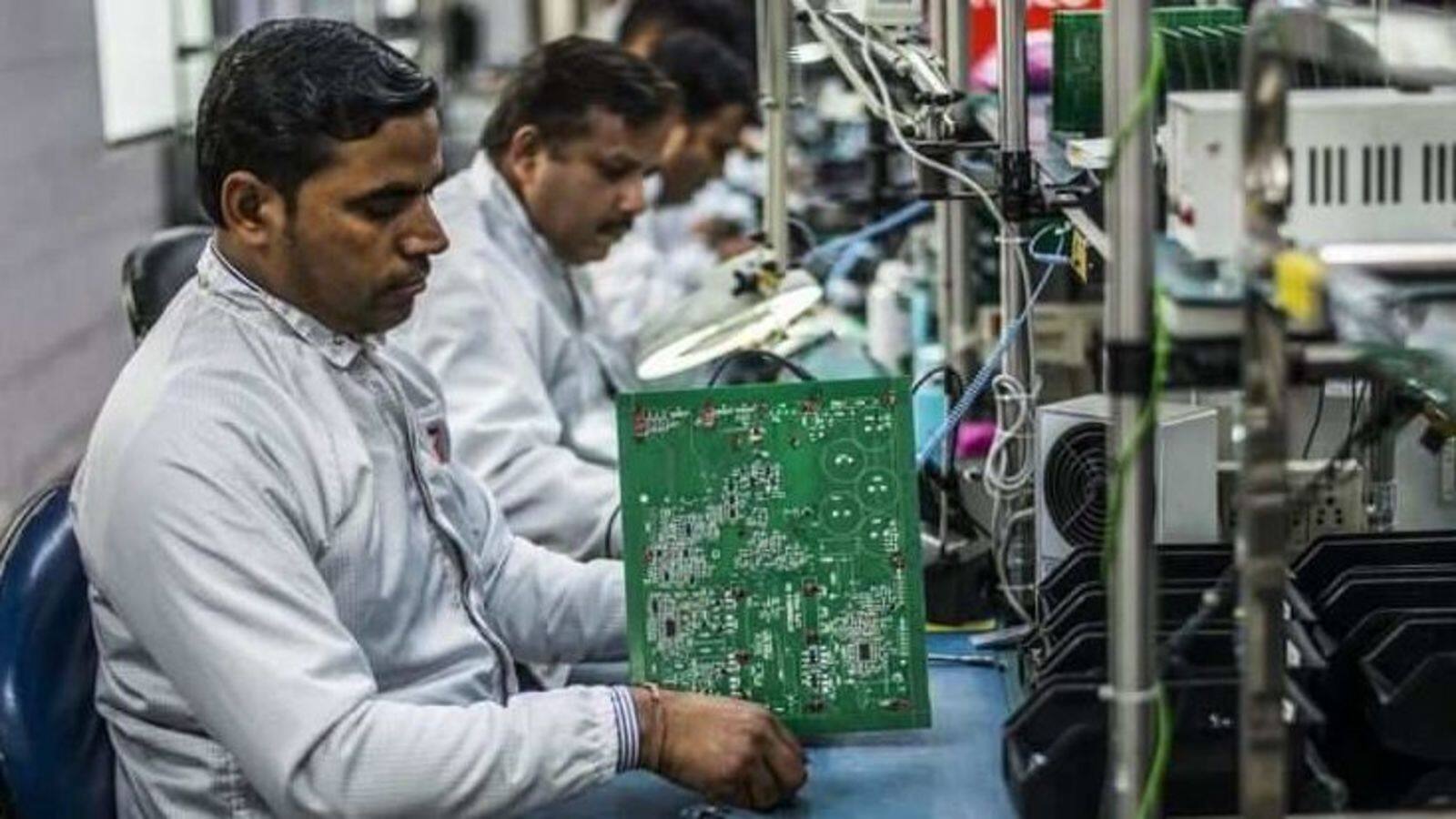
    The government envisions the unified platform as a comprehensive digital ecosystem designed to tackle critical issues facing the textile sector. A central feature will be a real-time data dashboard, providing stakeholders with up-to-date information on market trends, export performance, and the effectiveness of various government schemes. This transparency aims to facilitate informed decision-making and proactive problem-solving.

    The platform will incorporate dedicated modules for addressing specific challenges. These modules will focus on areas such as skill development, technological upgrades, and access to finance. Furthermore, it will include a robust grievance redressal mechanism, enabling stakeholders to report issues and track their resolution in a timely manner. The goal is to create a user-friendly interface that streamlines communication and collaboration across the entire industry.

    Another key aspect of the unified platform is its integration with existing government portals and databases. This seamless data flow will minimise duplication of effort and ensure data accuracy. The platform will also leverage advanced analytics to identify emerging trends and potential bottlenecks in the textile sector. This proactive approach will allow the government and industry stakeholders to anticipate challenges and implement effective solutions.

    Benefits For Stakeholders

    The unified platform promises a multitude of benefits for all stakeholders across the textile sector. For businesses, particularly small and medium-sized enterprises (SMEs), the platform will offer improved access to information, technology, and markets. This will enable them to enhance their competitiveness, expand their operations, and increase their export potential. The platform’s data-driven insights will empower businesses to make informed decisions regarding production, marketing, and investment.

    The government stands to gain from improved monitoring and evaluation of its policies and programmes. The platform’s real-time data and analytics capabilities will provide valuable insights into the effectiveness of various interventions, allowing for course correction and optimisation. This will lead to more efficient resource allocation and improved outcomes for the textile sector as a whole. Furthermore, the platform will facilitate better coordination among different government agencies involved in the sector.

    Workers in the textile industry will benefit from improved access to training and skill development opportunities. The platform will provide information on available programmes and facilitate enrolment, leading to enhanced skills and better employment prospects. The grievance redressal mechanism will also empower workers to voice their concerns and seek resolution to workplace issues. This will contribute to a more equitable and inclusive working environment within the textile sector.

    The unified platform aims to create a more transparent, efficient, and collaborative ecosystem for the textile sector. By addressing critical issues and fostering innovation, the platform will contribute to the sector’s sustainable growth and enhance its contribution to the Indian economy. The improved communication and collaboration facilitated by the platform will also strengthen the relationship between the government, industry, and workers, leading to a more harmonious and productive environment.

    Implementation Timeline

    The government anticipates a phased rollout of the unified platform, commencing with a pilot project involving key stakeholders from various segments of the textile sector. This initial phase will focus on testing the platform’s functionality, gathering user feedback, and refining its features based on real-world experiences. The pilot project is expected to last for approximately six months, during which time a dedicated team will monitor its performance and address any technical issues that may arise.

    Following the successful completion of the pilot project, the unified platform will be progressively rolled out across the entire textile sector. This wider implementation will involve a comprehensive training programme for all stakeholders, ensuring they are equipped with the necessary skills to effectively utilise the platform’s features. The government intends to leverage existing industry associations and training institutions to deliver these training programmes. A help desk will be established to provide ongoing support and assistance to users.

    The complete implementation of the unified platform is projected to take approximately two years. This timeline allows for thorough testing, user training, and integration with existing systems. The government will closely monitor the progress of the implementation and make adjustments as needed to ensure its success. Regular updates on the implementation progress will be provided to stakeholders through various channels, including online portals and industry forums. The aim is to ensure transparency and maintain momentum throughout the implementation process, to ensure that the issues of the textile sector get speedy resolution.

    Challenges And Concerns

    Despite the ambitious goals of the unified platform, several challenges and concerns need careful consideration. Data security and privacy are paramount. The platform will handle sensitive business information, requiring robust security measures to prevent breaches and ensure confidentiality. Establishing clear protocols for data access, storage, and sharing will be crucial to building trust among stakeholders. The government needs to address these issues proactively.

    Ensuring equitable access to the platform for all stakeholders, particularly small and medium-sized enterprises (SMEs) in remote areas, is another significant hurdle. Many SMEs may lack the necessary infrastructure or digital literacy to fully utilise the platform’s features. The government may need to provide targeted support and training to bridge this digital divide and ensure that all stakeholders can benefit from the platform.

    Interoperability with existing systems and databases within the textile sector could also present challenges. Integrating the unified platform with diverse legacy systems may require significant technical expertise and resources. Standardising data formats and protocols will be essential to ensure seamless data flow and avoid compatibility issues. The platform should be adaptable to different technologies that the industry is using.

    Sustained engagement and collaboration among all stakeholders will be critical for the platform’s long-term success. Overcoming resistance to change and fostering a culture of collaboration may require proactive communication and outreach efforts. The government needs to demonstrate the platform’s value and address any concerns or reservations that stakeholders may have. A clear mechanism for addressing grievances and ensuring timely resolution of issues will also be essential for maintaining stakeholder confidence. If the platform does not get used by the industry it is designed for, it will not be a success.
  • Govt policies boost manufacturing and services

    Govt policies boost manufacturing and services

    nirmala sitharaman

    Govt policies boost manufacturing and services

    The government has implemented a series of policies designed to bolster both the manufacturing and service sectors, aiming for comprehensive economic growth. These policies encompass a range of initiatives, from financial incentives to regulatory reforms, all geared towards creating a more favourable environment for businesses to thrive. FM Sitharaman has been a key proponent of these strategies, emphasizing the importance of a multi-pronged approach to economic development.

    A central tenet of the government’s approach involves targeted support for specific industries. This includes streamlining bureaucratic processes, reducing compliance burdens, and fostering innovation through research and development grants. The policies aim to attract both domestic and foreign investment, thereby increasing capacity and competitiveness within the manufacturing and service sectors. These measures are designed to unlock the full potential of the Indian economy.

    To boost manufacturing in the country, India is focussing on 14 priority sectors or sunrise sectors like electronics, semi-conductors, and pharma. The government is also actively working on improving infrastructure, including transportation and logistics networks, to facilitate the smooth movement of goods and services across the country. This infrastructure development is considered crucial for supporting the long-term growth of both the manufacturing and service sector, and enhancing India’s position in the global economy.

    Manufacturing Sector Growth

    The government’s commitment to enhancing the manufacturing landscape is evident in the tangible growth observed across various sub-sectors. Specific policies, such as the Production Linked Incentive (PLI) scheme, have incentivised domestic production and attracted significant investment in key areas. The PLI scheme offers financial support to companies that meet certain production targets, encouraging them to expand their operations and increase output. This has been particularly effective in sectors like electronics and automotive, where India is striving to become a global manufacturing hub.

    The automotive industry, for example, has witnessed a surge in manufacturing activity, driven by both domestic demand and export opportunities. The government’s support for electric vehicle (EV) production has further boosted the sector, with several companies announcing plans to manufacture EVs and related components in India. This push towards sustainable transportation is not only benefiting the manufacturing sector but also contributing to environmental goals.

    Furthermore, the focus on skill development is playing a crucial role in supporting manufacturing growth. Initiatives like the Skill India Mission are equipping the workforce with the necessary skills to meet the evolving demands of the industry. By providing training and vocational education, the government is ensuring that the manufacturing sector has access to a skilled labour pool, which is essential for maintaining competitiveness and driving innovation. FM Sitharaman has emphasised the importance of a skilled workforce in achieving the government’s manufacturing goals.

    Services Sector Expansion

    The service sector, a cornerstone of the Indian economy, has also experienced substantial expansion due to targeted government policies. This growth spans across various sub-sectors, including IT, tourism, healthcare, and financial services. The government’s focus on creating a conducive environment for businesses has been instrumental in attracting investment and fostering innovation within these areas.

    The IT sector, in particular, has been a major beneficiary of the government’s support. Policies aimed at promoting digital infrastructure, such as the BharatNet project, have enhanced connectivity and accessibility, enabling IT companies to expand their reach and offer services to a wider customer base. Furthermore, the government’s emphasis on skill development in emerging technologies like artificial intelligence and machine learning has ensured that the IT sector remains competitive on a global scale. This has resulted in significant export growth and job creation within the sector.

    The tourism sector has also witnessed a resurgence, with the government actively promoting India as a preferred tourist destination. Initiatives like the “Incredible India” campaign and the development of tourism infrastructure have attracted both domestic and international tourists. The government’s efforts to improve connectivity, including the expansion of airports and the development of tourist circuits, have further boosted the sector. This growth in tourism has not only generated revenue but has also created employment opportunities in related industries such as hospitality and transportation.

    Moreover, the government has been actively working on reforms in the financial services sector to enhance its efficiency and stability. Measures such as the introduction of digital payment systems and the promotion of financial inclusion have transformed the landscape of the sector. The government’s support for fintech companies has fostered innovation and competition, leading to improved services and greater accessibility for consumers. FM Sitharaman has highlighted the crucial role of the service sector in driving overall economic growth and creating employment opportunities.

    Economic Impact Analysis

    The government’s policies aimed at boosting both manufacturing and the service sector are having a discernible impact on the overall economy. Analysis reveals a positive correlation between these policies and key economic indicators, such as GDP growth, employment generation, and investment levels. The increased activity in both sectors is contributing to a more robust and diversified economy, reducing reliance on specific industries and creating a more resilient economic structure.

    Specifically, the manufacturing sector’s growth is translating into increased production, higher export volumes, and greater employment opportunities, particularly for skilled and semi-skilled workers. The Production Linked Incentive (PLI) schemes, for example, are not only attracting investment but also fostering technological upgrades and innovation within the manufacturing sector. This is leading to enhanced competitiveness and a greater ability to meet both domestic and international demand.

    Similarly, the expansion of the service sector is driving economic growth through increased exports of IT services, tourism revenue, and financial service activities. The government’s support for digital infrastructure and skill development is ensuring that the service sector remains a key engine of growth, contributing significantly to GDP and creating high-value jobs. Furthermore, the growth in the service sector is also supporting the manufacturing sector by providing essential services such as logistics, transportation, and financial support.

    FM Sitharaman has emphasised that the combined impact of these policies is creating a virtuous cycle of economic growth. Increased investment and production are leading to higher incomes and greater consumer spending, which in turn is driving further growth in both the manufacturing and service sectors. This positive feedback loop is essential for achieving sustainable and inclusive economic development, ensuring that the benefits of growth are shared across all segments of society. The government continues to monitor the impact of its policies and make adjustments as needed to ensure their effectiveness and maximise their contribution to the economy.

    Future Policy Directions

    Looking ahead, the government is committed to refining its policies to ensure sustained growth in both the manufacturing and service sectors. A key focus will be on streamlining regulatory processes further, reducing compliance costs, and fostering a more business-friendly environment. The aim is to attract even greater levels of domestic and foreign investment, thereby boosting capacity and competitiveness across various industries. FM Sitharaman has repeatedly stated the importance of adaptability and responsiveness in policy-making, emphasizing the need to continuously assess and adjust strategies based on evolving economic conditions and global trends.

    One area of particular attention will be promoting innovation and technological advancement. The government plans to increase investment in research and development, support start-ups, and encourage collaboration between industry and academia. This will involve creating a more conducive ecosystem for innovation, including strengthening intellectual property rights and providing access to funding and mentorship. The goal is to position India as a global hub for innovation, attracting talent and investment in cutting-edge technologies.

    Furthermore, the government recognises the importance of addressing infrastructure gaps to support long-term economic growth. Plans are underway to further improve transportation networks, enhance digital connectivity, and upgrade energy infrastructure. This includes expanding highways, railways, and airports, as well as investing in renewable energy sources and smart grid technologies. These infrastructure improvements will not only facilitate the movement of goods and services but also improve the overall quality of life for citizens.

    Skill development will remain a top priority, with the government aiming to equip the workforce with the skills needed to meet the evolving demands of the manufacturing and service sectors. This will involve expanding vocational training programs, promoting apprenticeships, and fostering closer collaboration between industry and educational institutions. The goal is to create a skilled labour pool that is capable of driving innovation, enhancing productivity, and supporting the growth of high-value industries. The government’s continued support in these areas will be crucial for ensuring the long-term competitiveness of the Indian economy.

  • Andhra Pradesh partners with Japan for Sri City SME Park

    Andhra Pradesh partners with Japan for Sri City SME Park

    Sme park

    Andhra Pradesh partners with Japan for Sri City SME Park

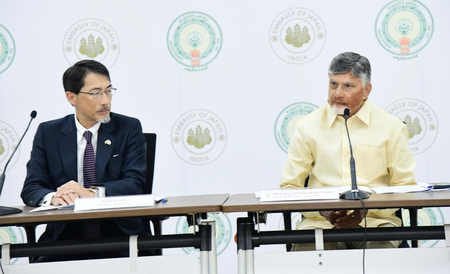
    Andhra Pradesh is forging a significant collaboration with Japan to develop a dedicated SME Park within the thriving Sri City industrial hub. This ambitious project aims to provide a state-of-the-art ecosystem for small and medium enterprises (SMEs), fostering their growth and contributing to the overall economic development of the region. The initiative represents a substantial commitment from both the Andhra Pradesh government and its Japanese partners, underscoring the mutual benefits anticipated from this venture.

    The SME Park will offer a range of advantages to participating businesses, including readily available infrastructure, streamlined regulatory processes, and access to crucial support services. This strategic partnership leverages Japan’s expertise in manufacturing and technological innovation, combined with Andhra Pradesh’s strategic location and supportive business environment. The project intends to attract a significant number of Japanese firms, injecting much-needed foreign direct investment into the state and creating numerous employment opportunities.

    The collaboration goes beyond simply providing land and facilities. It involves a comprehensive approach to nurturing SME growth, including training programs, access to finance, and mentorship opportunities. This holistic strategy ensures that participating businesses are well-equipped to succeed in a competitive global market. The Andhra Pradesh government is actively working with Japanese counterparts to ensure the project aligns perfectly with the needs of the SMEs and contributes to the broader vision of economic prosperity for the region.

    Investment Details

    The Andhra Pradesh government and its Japanese partners have committed substantial resources to the Sri City SME Park. While precise figures haven’t been publicly released, sources indicate a significant investment encompassing land acquisition, infrastructure development, and support services. This investment reflects a long-term commitment to fostering economic growth within the state and attracting foreign direct investment.

    Funding is expected to come from a combination of public and private sources. The Andhra Pradesh government is providing land and facilitating regulatory approvals, while Japanese investors are contributing to the construction of infrastructure and the provision of technical expertise. This public-private partnership model aims to leverage the strengths of each partner to maximise the impact of the investment.

    Beyond the initial capital expenditure, ongoing operational costs will be covered through a combination of lease payments from the small and medium enterprises occupying the SME Park and potential government subsidies for specific initiatives. The financial model is designed to ensure the long-term sustainability of the project and its continued contribution to the economic development of Andhra Pradesh. The involvement of Japanese firms brings not only capital but also valuable experience in efficient and sustainable industrial park management.

    Securing funding for the project has been a key priority. The Andhra Pradesh government actively engaged with Japanese investors, showcasing the potential of the Sri City location and the supportive business environment. This collaborative approach was instrumental in securing the necessary funding to bring this ambitious project to fruition. The long-term economic benefits are expected to far outweigh the initial investment.

    Infrastructure Development

    The Sri City SME Park’s infrastructure development is a cornerstone of the Andhra Pradesh-Japan collaboration. The plan includes constructing modern, high-quality facilities tailored to the needs of small and medium enterprises. This encompasses purpose-built factory units of varying sizes, ensuring scalability for businesses at different stages of growth. Efficient utilities, including reliable power and water supplies, are central to the design, minimising operational disruptions.

    Beyond the individual units, the park will feature shared infrastructure designed to boost efficiency and collaboration. This includes a common logistics area with warehousing and transportation facilities, simplifying the supply chain for resident businesses. A dedicated technology centre will offer advanced equipment and support services, fostering innovation and technological advancement among the small and medium enterprises. The aim is to create a fully integrated and supportive environment.

    The Andhra Pradesh government, in collaboration with its Japanese partners, is prioritising sustainable infrastructure development. This commitment extends to environmentally friendly building materials and energy-efficient designs, reducing the park’s environmental footprint. Green spaces and recreational areas are also planned, creating a pleasant and productive working environment. The goal is to build a world-class facility that attracts both domestic and Japanese firms.

    Furthermore, digital infrastructure is a key component of the project. High-speed internet connectivity and advanced communication systems will be implemented throughout the SME Park, allowing businesses to seamlessly connect with customers and partners globally. This commitment to digitalisation reflects the Andhra Pradesh government’s broader vision of creating a technologically advanced and globally competitive business ecosystem. The Japanese expertise in technological innovation plays a crucial role in this aspect of the development.

    Road networks and transportation links within the park and to external transport hubs are being significantly improved. This ensures easy access for businesses and their employees, while also facilitating efficient movement of goods. The Andhra Pradesh government is working closely with local authorities to ensure seamless integration with the existing infrastructure of Sri City, minimising disruption and maximising connectivity for the small and medium enterprises located within the SME Park.

    SME Support Initiatives

    The Andhra Pradesh government, in collaboration with its Japanese partners, is implementing a comprehensive support system for the small and medium enterprises (SMEs) within the Sri City SME Park. This goes beyond simply providing physical infrastructure; it involves a multifaceted approach designed to nurture business growth and competitiveness.

    A key element of this support is access to finance. The government is working with Japanese financial institutions to develop tailored financing options for SMEs, including low-interest loans and equity investments. This aims to address a common challenge faced by many smaller businesses – securing the capital needed for expansion and innovation.

    Furthermore, extensive training and mentorship programs are being established. These initiatives will provide SMEs with the skills and knowledge needed to succeed in a global market. Japanese experts will share their experience in manufacturing, technology, and business management, offering valuable insights and practical guidance. These programs will cover areas such as lean manufacturing, quality control, and export strategies.

    The collaboration also includes establishing a business incubation centre within the SME Park. This centre will provide SMEs with access to shared resources, networking opportunities, and expert advice. It will act as a hub for innovation and collaboration, fostering the growth of new businesses and technologies. The Japanese government’s experience in fostering innovation will be instrumental in designing and operating this centre.

    The Andhra Pradesh government is actively working to streamline regulatory processes for businesses operating within the SME Park. This includes simplifying licensing procedures and reducing bureaucratic hurdles, making it easier for SMEs to establish and operate their businesses. The aim is to create a business-friendly environment that encourages investment and growth. This commitment to reducing red tape reflects the government’s dedication to supporting Japanese firms and other SMEs operating in the park.

    Expected Impact

    This Andhra Pradesh-Japan collaboration is poised to significantly boost the regional economy. The influx of Japanese firms and the creation of numerous jobs will stimulate local spending and create a ripple effect throughout the region. The SME Park’s focus on high-value manufacturing and technological innovation will attract further investment and enhance Andhra Pradesh’s global competitiveness.

    Beyond the immediate economic benefits, the project promises long-term sustainable growth. The emphasis on environmentally friendly infrastructure and sustainable business practices ensures the SME Park’s positive impact extends beyond financial gains. The training and mentorship programs will equip local businesses with the skills needed to thrive in a changing global landscape, fostering a more resilient and self-sufficient economy.

    The success of the Sri City SME Park will serve as a model for future collaborations between Andhra Pradesh and other international partners. It demonstrates the state government’s commitment to attracting foreign direct investment and fostering a business-friendly environment. The project’s success will likely attract further investment into Andhra Pradesh, solidifying its position as a key player in the global manufacturing landscape. The knowledge transfer and technological advancements facilitated by the Japanese firms will contribute to a more skilled and innovative workforce in the region.

    Improved infrastructure and streamlined regulatory processes within the SME Park will also benefit existing businesses in Sri City. The enhanced connectivity and shared resources will create a more dynamic and collaborative business environment, fostering innovation and boosting overall productivity. This positive spillover effect will benefit not just the small and medium enterprises within the park but the wider Sri City ecosystem.

    The government’s commitment to supporting the growth of small and medium enterprises (SMEs) is crucial for inclusive economic development. By providing access to finance, training, and mentorship, the project empowers local businesses to compete on a global scale, contributing to a more equitable distribution of wealth and opportunity. The long-term impact on the lives of individuals and families in the region will be substantial, enhancing their quality of life and providing a more prosperous future.

  • MSME criteria revised

    MSME criteria revised

    union budget

    MSME criteria revised

    The recent revisions to the MSME classification criteria, announced by Union Finance Minister Nirmala Sitharaman during her budget speech, represent a significant shift in how small and medium businesses are defined in India. The government’s aim is to streamline the process and provide better support to these vital contributors to the national economy. Key changes include a complete overhaul of the investment and turnover limits used to classify businesses as micro, small, or medium enterprises. These new limits are designed to reflect the current economic landscape and provide a more accurate representation of the size and scale of businesses operating within the MSME sector.

    One of the most impactful changes is the move towards a more simplified classification system. The previous system, while well-intentioned, was often considered overly complex and difficult to navigate for many small business owners. The new system aims for greater clarity and ease of understanding, making it easier for businesses to determine their classification and access relevant government schemes and support. This simplification should lead to improved efficiency in the allocation of resources and reduce bureaucratic hurdles for MSMEs.

    The notification detailing these changes came into effect on April 1st, marking a pivotal moment for the MSME sector. The specific investment and turnover limits have been significantly increased, allowing more businesses to qualify for MSME status. This increase in the thresholds reflects the government’s acknowledgement of the rising costs of doing business and the need for a more inclusive definition of MSMEs. This expansion is expected to positively impact a large number of small and medium businesses, offering them access to a wider range of benefits and support programmes.

    The revised criteria also aim to address some of the ambiguities present in the previous system. By clarifying the definitions and providing clearer guidelines, the government hopes to reduce inconsistencies in classification and ensure that businesses are correctly categorized. This will lead to a more accurate assessment of the MSME sector’s contribution to the national economy and allow for better targeted policy interventions. The government believes these changes will ultimately foster growth and development within the MSME sector, creating a more vibrant and competitive business environment.

    Impact on Businesses

    The revisions to MSME classification will significantly affect businesses across India. Many small businesses will find themselves reclassified, potentially impacting their access to government schemes and financial support. Those businesses previously ineligible due to exceeding the old turnover or investment limits may now qualify for MSME status, unlocking a range of benefits. This could lead to increased access to credit, tax breaks, and government procurement opportunities.

    Conversely, some medium businesses that previously qualified might now fall outside the MSME definition. This shift could mean a loss of certain advantages previously enjoyed, requiring them to adapt their strategies and explore alternative funding and support avenues. The impact will vary greatly depending on the specific industry, size, and location of the business. Businesses need to carefully review the notification and understand how the changes affect their individual circumstances.

    The increased investment and turnover limits reflect the changing economic reality. The cost of doing business has risen, and the government acknowledges the need to adjust the criteria to accommodate this. The aim is to support businesses to grow and contribute to the national economy, but the transition might present challenges for some. Businesses should proactively assess their new classification and explore the available support and resources to ensure a smooth transition.

    The simplification of the classification system is also expected to improve efficiency. The previous system was often criticised for its complexity. This simplification should reduce administrative burdens for both businesses and government agencies, leading to faster processing of applications and a more streamlined allocation of resources. Ultimately, the changes aim to foster a more supportive and efficient environment for small and medium businesses in India, driving economic growth and creating jobs.

    The impact on businesses will depend on various factors. Larger businesses previously classified as MSMEs may need to adjust their strategies and access different funding sources. Smaller businesses newly classified as MSMEs will benefit from increased access to government support and schemes. The success of these revisions will depend on effective communication and support from the government to help businesses navigate these changes successfully. The April 1st notification marked a significant step in supporting the MSME sector.

    Revised Investment Limits

    The revisions to the MSME definition have led to a substantial increase in the investment limits used to classify businesses. These changes reflect the government’s recognition of the rising costs associated with establishing and operating a business in the current economic climate. The previous limits, often considered too restrictive, have been significantly raised, allowing a broader range of enterprises to qualify for MSME status. This expansion is intended to provide greater support to a larger number of small and medium businesses.

    The specific figures for the revised investment limits are crucial for businesses to understand their new classification. The notification issued on April 1st details these new thresholds, separating micro, small, and medium enterprises based on their investment levels. Businesses should carefully examine these figures to determine their current classification under the revised criteria. This understanding is vital for accessing the various benefits and support schemes available to MSMEs.

    This increase in investment limits is not merely a numerical adjustment; it represents a policy shift aimed at fostering economic growth. By expanding the definition of an MSME, the government aims to encourage entrepreneurship and support a larger segment of the business community. This inclusive approach seeks to empower more small businesses and contribute to a more robust and dynamic economy. The impact of this change will be felt across various sectors, potentially leading to increased competition and innovation.

    The revised investment limits, alongside the changes in turnover thresholds, form a comprehensive approach to MSME classification. The government hopes that these changes will simplify the process of determining eligibility for various schemes and benefits. The ultimate goal is to create a more streamlined and efficient system, reducing bureaucratic hurdles and allowing businesses to focus on growth and development. The success of these revisions will depend on clear communication and effective implementation of the new guidelines.

    The increased investment limits are a direct response to feedback from the MSME sector. Many small businesses felt the previous limits were outdated and did not accurately reflect the realities of operating a business in India. The government’s response demonstrates a commitment to listening to the concerns of the business community and adapting policies to better support their needs. This responsiveness is crucial for fostering a positive and collaborative relationship between the government and the MSME sector.

    Eligibility and Classification

    To be eligible for MSME status under the revised criteria, businesses must meet specific requirements regarding investment and turnover. The notification released on April 1st details these thresholds, clearly defining the boundaries between micro, small, and medium enterprises. These revisions aim to simplify the classification process, making it easier for businesses to understand their eligibility and access relevant support programs.

    The new system uses a straightforward approach, eliminating ambiguities that plagued the previous classification system. This clarity should reduce confusion and ensure a consistent application of the criteria across all businesses. The government hopes this will lead to a more accurate representation of the MSME sector’s contribution to the Indian economy.

    For small businesses, the increased investment and turnover limits represent a significant opportunity. Many businesses previously excluded from MSME benefits may now qualify, gaining access to government schemes, financial assistance, and other advantages. This broadened eligibility aims to foster growth and competitiveness within the sector.

    Medium businesses, however, may experience a different impact. Some businesses previously classified as MSMEs might find themselves reclassified due to exceeding the new limits. This could affect their access to certain government programs. However, the government anticipates that the overall economic benefits from a more accurately sized MSME sector will outweigh any short-term adjustments needed by individual businesses.

    The government’s aim is to create a more inclusive and supportive environment for all businesses. The revisions reflect a commitment to adapting the MSME classification to the evolving economic landscape. The simplified classification system, combined with increased investment and turnover limits, should lead to a more accurate and efficient allocation of resources to the businesses that need them most.

    The new classification system encourages transparency and accountability. By providing clear and easily understandable guidelines, the government aims to minimise bureaucratic delays and streamline the process for businesses seeking to obtain MSME status. This improved efficiency benefits both the government and the businesses themselves.

    Ultimately, the eligibility and classification revisions represent a significant step towards a more dynamic and supportive ecosystem for MSMEs in India. The government’s commitment to simplifying the process and increasing access to support reflects a broader strategy to promote economic growth and entrepreneurship.

    Future Implications

    The revisions to the MSME classification system, effective from April 1st, will have long-term consequences for the Indian economy. The increased investment and turnover limits, coupled with the simplified classification process, will undoubtedly reshape the landscape of small and medium businesses. The government’s aim is to foster a more robust and competitive environment, encouraging growth and innovation within the sector.

    One significant implication is the potential for increased competition. With more businesses qualifying for MSME status, the market will likely see a surge in entrepreneurial activity. This increased competition could drive innovation and efficiency, ultimately benefiting consumers. However, it also presents challenges for existing businesses, necessitating adaptation and strategic planning to maintain their competitive edge.

    The success of these revisions will heavily depend on the government’s ability to effectively implement the changes and provide adequate support to businesses navigating the new system. Clear communication and readily available resources are crucial for a smooth transition. The government will need to ensure that businesses understand the new criteria and can easily access the benefits associated with MSME classification.

    Furthermore, the long-term impact on government policies and programmes designed to support MSMEs needs careful consideration. The expanded definition of MSMEs might necessitate adjustments to existing schemes to accommodate the increased number of eligible businesses. This will require efficient resource allocation and careful planning to ensure that the support reaches those who need it most.

    Another key implication is the potential for increased foreign investment in the MSME sector. The revised criteria, with their higher investment limits, could attract more foreign investors looking to tap into the burgeoning Indian market. This influx of investment could further stimulate growth and development within the MSME sector, creating more jobs and contributing to economic expansion.

    The long-term effects on employment are significant. The growth spurred by the revisions could lead to a considerable increase in job creation within the MSME sector. This would be a significant boost to the Indian economy, particularly in rural areas where MSMEs often form the backbone of local economies. However, monitoring the impact on employment will be crucial to ensure the positive effects outweigh any potential negative consequences.

  • Government Mulls ‘Made in India’ Label to Strengthen Global Brand Identity

    Government Mulls ‘Made in India’ Label to Strengthen Global Brand Identity

    made in India

    Government Mulls ‘Made in India’ Label to Strengthen Global Brand Identity

    The Indian government is exploring a proposal to introduce a ‘Made in India’ label to promote Indian products globally and create a distinct brand identity, similar to the successful branding of ‘Made in Japan’ or ‘Made in Switzerland,’ according to an official source. A high-level committee is currently reviewing the specifics of the potential scheme.

    The goal is to establish a strong association between India and high-quality goods in the minds of global consumers. For instance, just as Switzerland is often linked to watches, chocolates, and banking systems, the aim is to associate India with excellence in certain sectors, such as textiles, where the country already has a strong foothold.

    Government discussions are focusing on whether the scheme should target specific sectors, such as textiles, where India is already recognized for its strengths. The initiative will complement the existing efforts of the India Brand Equity Foundation (IBEF), a trust set up by the Department of Commerce to promote awareness of Indian products and services in international markets.

    Experts emphasize that consistent quality is essential to building a successful ‘Brand India.’ Ajay Srivastava, founder of the think tank Global Trade Research Initiative (GTRI), suggested that India’s branding strategy should focus on promoting high-quality products, improving substandard offerings, and taking actions to enhance overall product reliability.

    Drawing a parallel with China’s strategy, Srivastava explained how China built a reputation for contract manufacturing from 1990 to 2010 without aggressively branding itself. Only after achieving consistent product quality did China promote its own brands.

    Srivastava proposed the creation of a unified ‘India Quality Product’ label to signal excellence and reliability. Manufacturers and exporters would need to meet specific standards to use this label, starting with sectors like garments, shoes, and handicrafts, before expanding to electronics and engineering products.

    Ensuring product consistency and enforcing strict actions against substandard suppliers, as demonstrated by India’s pharmaceutical industry, is critical to protecting the reputation of Indian goods on the global stage.

  • High Returns and Government Support Drive AIFs to Explore SME-Focused IPOs

    High Returns and Government Support Drive AIFs to Explore SME-Focused IPOs

    Alternate Investment Fund

    High Returns and Government Support Drive AIFs to Explore SME-Focused IPOs

    Approximately 900 SMEs are now listed on the SME platforms of both the National Stock Exchange and the BSE, with significant traction observed over the past 2-3 years.

    The recent success of Initial Public Offerings (IPOs) for Small and Medium Enterprises (SMEs), coupled with robust government support, has spurred Alternative Investment Funds (AIFs) to tap into this lucrative sector.

    An AIF is a fund established or incorporated in India, functioning as a privately pooled investment vehicle.

    Paradise Moon Investment Fund, an AIF, has announced its launch with the goal of raising Rs 750 crore over the next few years, targeting investors keen to leverage the growth of the SME market both pre- and post-IPOs. The fund aims to provide investors with a unique opportunity to benefit from the expanding Indian stock market and capitalize on the dynamic landscape of SME IPOs, according to an official statement.

    With around 900 SMEs now listed on the SME platforms of both the National Stock Exchange and the BSE, significant traction has been observed over the past 2-3 years. Naveen Bansal, Managing Director of Paradise Moon, stated, “We seek to invite investment in Category 1 Alternative Investment Fund (AIF), with the visionary goal of becoming a leading investor in SME (pre and post) IPOs. The SME sector has witnessed notable expansion and development, contributing to a third of Gross Domestic Product (GDP).”

    The BSE SME Index has delivered annualized gains of up to 195 percent over the past decade. A Rs 1,000 investment in September 2013 would be worth Rs 1.03 lakh in 2023, representing a 100x return, Bansal added.

    Officials noted that the growth and returns in the SME sector are expected to surpass those of larger companies on the main exchange board due to concerns over stretched valuations.

    As part of the ‘Aatmanirbhar Bharat’ package, the government announced a Rs 50,000 crore equity infusion for MSMEs through a Fund of Funds in July 2023 under the Self-Reliant India (SRI) Fund. Led by NSIC Venture Capital Fund, this initiative aims to provide equity funding to MSMEs with the potential and viability to grow into large enterprises. The government has provisioned Rs 10,000 crore, with the remainder coming from private venture funds.

  • Incentives Worth Rs 9,721 Crore Claimed Under PLI Scheme for Nine Sectors: Piyush Goyal

    Incentives Worth Rs 9,721 Crore Claimed Under PLI Scheme for Nine Sectors: Piyush Goyal

    PLI scheme

    Incentives Worth Rs 9,721 Crore Claimed Under PLI Scheme for Nine Sectors: Piyush Goyal

    Commerce and Industry Minister Piyush Goyal informed the Lok Sabha on Tuesday that incentives amounting to Rs 9,721 crore have been claimed under the Production Linked Incentive (PLI) scheme for nine sectors, including electronics manufacturing and pharmaceuticals. Actual investments totaling Rs 1.23 lakh crore have been realized by March 2024, resulting in incremental production or sales of over Rs 10.31 lakh crore and the creation of approximately 8 lakh jobs.

    In a written reply, Goyal detailed that the incentives were claimed for sectors such as large-scale electronics manufacturing, IT hardware, bulk drugs, medical devices, pharmaceuticals, telecom and networking products, food processing, white goods, and drones and drone components.

    The PLI schemes aim to attract both domestic and foreign investments in key sectors and advanced technologies, ensure efficiency, and bring economies of size and scale to the manufacturing sector, making Indian companies globally competitive. Goyal noted that there is increasing foreign investment in several PLI sectors, highlighting Apple’s shift of its suppliers, including Foxconn, Wistron, and Pegatron, to India.

    He added that most projects are in the implementation stage and will be filing incentive claims in due course. To further enhance the performance and sentiment of applicants, the government plans to settle PLI claims quarterly, which is expected to improve cash flow, accelerate the disbursement of incentives, and enhance fund utilization efficiency.

    Additionally, Minister of State for Commerce and Industry Jitin Prasada informed the Parliament that India has granted Geographical Indications (GI) tags to 643 products as of July 24 this year. A GI tag, valid for 10 years and renewable thereafter, prevents any person or company from selling a similar item under the registered name. This tag assures quality and distinctiveness attributable to the product’s place of origin.

    Prasada also mentioned that the Indian Patent Office granted 1,03,057 patents in the 2023-24 period.

  • Govt to Extend Easy Visa Rules to All PLI Sector Companies: DPIIT Secretary

    Govt to Extend Easy Visa Rules to All PLI Sector Companies: DPIIT Secretary

    Visa Rules to All PLI Sector

    Govt to Extend Easy Visa Rules to All PLI Sector Companies: DPIIT Secretary

    The Production-Linked Incentive (PLI) scheme covers 14 sectors, including mobile phones, drones, white goods, telecommunications, textiles, automobiles, specialty steel, and pharmaceutical drugs. The government is working towards streamlining the application process for Indian business visas for companies that have set up manufacturing units in these sectors but are not direct beneficiaries of the PLI scheme.

    “We have already streamlined the process for PLI beneficiaries. We’re now trying to extend this streamlined process to non-PLI beneficiaries operating in those same strategic sectors. We are currently drawing up a similar streamlined process for these non-PLI beneficiaries,” said Rajesh Kumar Singh, Secretary of the Department for Promotion of Industry and Internal Trade (DPIIT), which operates under the Ministry of Commerce and Industry, on Thursday.

    While a final decision has yet to be made, the government is moving in this direction. “Visa-related matters fall under the purview of the Ministry of External Affairs and the Ministry of Home Affairs,” Singh added.

    Earlier this week, Commerce and Industry Minister Piyush Goyal told Business Standard that the government is expediting visa-related issues to bring technicians to India from China and other countries as needed to ensure the smooth implementation of the PLI scheme.

    The industry has sought government intervention to resolve visa-processing delays affecting Chinese vendors involved in manufacturing projects. Companies have faced productivity issues due to visa hurdles in areas ranging from component manufacturing to the installation or repair of machinery, especially under the PLI scheme.

    Several ministries and government departments have been addressing outstanding visa-related issues for experts and technicians from China with the Ministry of External Affairs. DPIIT has also been coordinating these matters with the external affairs ministry.

  • Government Needs to Review Unfavorable FTAs: CII Chairman

    Government Needs to Review Unfavorable FTAs: CII Chairman

    FTA

    Government Needs to Review Unfavorable FTAs: CII Chairman

    NEW DELHI: The government should reassess free trade agreements (FTAs) with countries like South Korea and ASEAN members that have not been advantageous for India in terms of market access, stated Sanjiv Puri, Chairman of the Confederation of Indian Industries (CII). However, he noted that trade agreements with the UK, EU, UAE, and Australia have been beneficial for the Indian economy.

    The Global Trade Research Initiative (GTRI) in Delhi reported that India’s merchandise trade deficit surged by 302.9% with ASEAN countries and by 164.1% with South Korea. This comparison was made using data from the pre-FTA period (2007-09) and the period between 2020-22. India had established trade agreements with these countries in 2010-11. During these periods, India experienced a higher growth rate in imports compared to exports when trading with these nations.

    Puri also highlighted the potential for the production-linked incentive (PLI) scheme in sectors like textiles and toys, citing its success in new-age and traditional sectors.

    “PLI schemes have been effective in new-age sectors and traditional sectors like food processing. Given their success, we can extend them to labor-intensive sectors and link them to the employment index,” he added.

    Addressing concerns about slow growth in the manufacturing sector, Puri remarked, “Recent policy interventions have strengthened financial sector balance sheets, improved corporate balance sheets, rationalized corporate income tax, and introduced PLI schemes and FTAs. These measures have positively impacted manufacturing, and we are moving in the right direction.”

    He emphasized the need to build on this momentum through continued reforms in factors like cost, land, labor, and improving ease of doing business to make the ‘Make in India’ initiative more competitive.

    Puri also expressed optimism about a revival in rural consumption, given favorable monsoon predictions.

  • Manufacturing Sector Seeks Policy Continuity and New PLI Schemes Under Modi’s Third Term

    Manufacturing Sector Seeks Policy Continuity and New PLI Schemes Under Modi’s Third Term

    PLI Scheme

    Manufacturing Sector Seeks Policy Continuity and New PLI Schemes Under Modi’s Third Term

    With the Narendra Modi-led NDA government commencing its third term, the manufacturing sector anticipates policy continuity, increased capital infusion, and new PLI schemes to strengthen India’s position as a preferred manufacturing hub and to enhance a robust and resilient supply chain ecosystem.

    Industry insiders are optimistic about the coalition government. The entry of Chandrababu Naidu-led Telugu Desam Party (TDP) into the ruling alliance is seen positively, as Naidu, now Andhra Pradesh’s chief minister, is expected to drive reform and innovation, acting as a “force multiplier.”

    “There is comfort in having just two main alliance partners with the BJP. Chandrababu Naidu is perceived as a progressive and forward-thinking politician, and Nitish Kumar, aiming to keep his prospects bright in Bihar, will likely push for the state’s development,” an industry body spokesperson told ET anonymously.

    The coalition regime is expected to lead to a more “uniform distribution” of projects across various states.

    “We anticipate more even project distribution among states. With BJP’s win in Odisha and its proximity to Andhra Pradesh, areas like Visakhapatnam might see increased industrial investment,” the spokesperson added. However, some officials expressed concerns that big-ticket projects might favor Andhra Pradesh due to Naidu’s influence, potentially intensifying competition between states for projects.

    Overall, the TDP partnership with BJP is viewed positively, with Naidu seen as accessible and receptive. The appointment of a TDP cabinet minister for civil aviation is welcomed, as it could expedite approvals for regional airports in southern states.

    “There’s no nervousness or uncertainty,” an electronics manufacturing industry representative told ET. “The coalition is seen as enhancing focus on manufacturing, benefiting the electronics sector.”

    The manufacturing industry is eager for the continuation and expansion of successful PLI schemes from Modi’s second term, including new incentives for traditional sectors like textiles, cement, and leather.

    In the electronics manufacturing industry, attention is on pending proposals with the India Semiconductor Mission (ISM) awaiting cabinet approval, with hopes for progress post the July budget.

    In the automotive sector, expectations of policy continuity and a sustained focus on the Make in India initiative are fostering optimism.

    “The general sentiment is very positive, with no expectation of losing momentum,” said Soumen Mandal, senior research analyst at Counterpoint Research. “In the automotive and heavy industries sectors, there’s a belief in continued policy direction, as these are major employment sectors that the government aims to further boost in their third term.”

Login