
Tag: defence

  • MSMEs: Quality Key for Defence & Aerospace Supply Chain

    MSMEs: Quality Key for Defence & Aerospace Supply Chain

    aerospace

    MSMEs: Quality Key for Defence & Aerospace Supply Chain

    Micro, Small and Medium Enterprises (MSMEs) operating within the defence and aerospace sectors must rigorously adhere to stringent quality standards to effectively integrate into the global supply chain. This was the key message delivered by Bharat Electronics Limited (BEL) chairman and managing director, Manoj Jain, at the curtain-raiser of the 7th edition of the India Manufacturing Show (IMS), also known as the ‘Aerospace & Defence Engineering Expo’.

    Jain emphasised that unwavering commitment to quality and achieving the appropriate certification are non-negotiable for MSMEs seeking to participate in the highly competitive global arena. He stated explicitly that “MSMEs must align with stringent quality and certification standards if they are to be part of the global supply chain.” This adherence to standards is crucial not only for accessing global markets but also for ensuring the reliability and performance of defence and aerospace products, ultimately boosting exports.

    Furthermore, Jain highlighted the need for flexibility from both large industries and MSMEs, while stressing that this flexibility should never come at the expense of regulatory compliance. Maintaining high standards alongside adaptability is vital for fostering a robust and responsive manufacturing ecosystem within the defence and aerospace industries.

    Msmes’ Challenges Outlined

    Despite the clear imperative for MSMEs to meet exacting quality standards, significant challenges remain in their journey towards integration into the defence and aerospace global supply chain. One of the primary hurdles is the cost associated with achieving the necessary certification. For many smaller enterprises, the investment required for testing, documentation, and process upgrades can be prohibitively expensive. This financial strain often limits their ability to compete with larger, more established players in the market.

    Another significant obstacle lies in accessing the latest technologies and expertise. MSMEs frequently lack the resources to invest in advanced manufacturing equipment or to hire skilled personnel with specialised knowledge of aerospace and defence requirements. This technology gap can hinder their ability to produce components that meet the stringent specifications demanded by prime contractors and international partners. The government and industry bodies need to facilitate technology transfer and skill development programs to bridge this gap.

    Furthermore, navigating the complex regulatory landscape presents a considerable challenge. Defence and aerospace industries are heavily regulated, with intricate compliance requirements that can be difficult for MSMEs to understand and implement. The lack of awareness and understanding of these standards can lead to errors and delays, potentially jeopardising their chances of securing contracts. Simplifying regulatory processes and providing clear guidance and support to MSMEs are essential steps to unlock their potential in boosting defence exports and fortifying the global supply chain.

    Global Opportunities Await

    For MSMEs that successfully navigate the challenges and embrace stringent quality standards and certification, significant global opportunities await within the defence and aerospace sectors. The increasing emphasis on indigenisation and self-reliance in many countries, including India, creates a burgeoning demand for locally sourced components and services. This shift presents a unique chance for MSMEs to step up and become integral parts of the global supply chain.

    Specifically, the growing global aerospace market, driven by increasing air travel and defence spending, offers substantial prospects for MSMEs specialising in areas such as precision engineering, electronics, and software development. By demonstrating their commitment to quality and adhering to international standards, these enterprises can secure contracts with major aerospace manufacturers and suppliers worldwide. This will not only enhance their revenue streams but also contribute to the overall growth of the domestic manufacturing base.

    Furthermore, the defence sector’s continuous need for upgrades and modernisation presents another avenue for MSMEs to thrive. Opportunities exist in providing components for military aircraft, naval vessels, and land-based systems. By focusing on innovation and developing cutting-edge technologies, MSMEs can position themselves as valuable partners to large defence contractors, both domestically and internationally. The focus on quality and exports can help these MSMEs integrate into the global supply chain.
  • India’s space tech transforms governance, farming, and defence

    India’s space tech transforms governance, farming, and defence

    aerospace

    India’s space technology transforms governance, farming, and defence

    India’s space programme, spearheaded by the Indian Space Research Organisation (ISRO), has profoundly impacted governance across the nation. Satellite technology plays a crucial role in delivering essential services, particularly in remote and underserved areas. High-resolution satellite imagery enables precise mapping of land, infrastructure, and natural resources, informing effective urban planning and resource management. This data supports efficient disaster response, allowing authorities to quickly assess damage after natural calamities and coordinate relief efforts.

    Real-time monitoring of infrastructure, such as roads, bridges, and power grids, through remote sensing, facilitates timely maintenance and prevents major disruptions. This proactive approach to infrastructure management significantly improves the quality of life for citizens and strengthens the nation’s overall resilience. The government leverages this space technology for various initiatives, including land record digitisation and improved public service delivery. Accurate and up-to-date geographical information, readily available through satellite data, enhances transparency and accountability in governance.

    The use of satellite communication networks ensures connectivity in remote regions, bridging the digital divide and promoting inclusive growth. This improved communication facilitates better access to education, healthcare, and other essential services, leading to a more equitable society. Minister Jitendra Singh has frequently highlighted the transformative potential of space technology in improving governance and citizen services. The government’s commitment to expanding satellite infrastructure and data accessibility underscores its recognition of the pivotal role space technology plays in modern governance.

    Agricultural advancements

    India’s advancements in space technology have triggered a revolution in agriculture, significantly boosting crop yields and improving farming practices across the nation. ISRO’s satellites provide crucial data for precision farming, enabling farmers to optimise resource allocation and improve efficiency. High-resolution satellite imagery allows for precise monitoring of crop health, identifying areas needing attention, such as those affected by drought or pests.

    This real-time monitoring, facilitated by remote sensing, allows for timely interventions, minimising crop losses and maximising yields. Farmers can make informed decisions regarding irrigation, fertilisation, and pest control, leading to increased productivity and profitability. The availability of this data, often disseminated through mobile applications, empowers farmers, particularly those in remote areas, with the knowledge they need to improve their farming practices.

    Furthermore, satellite technology assists in land resource management. Accurate mapping of land parcels helps in efficient land allocation and prevents disputes. This contributes to sustainable agriculture by promoting responsible land use and preventing soil degradation. The integration of space technology into agricultural practices is transforming India’s agricultural landscape, driving increased food security and economic growth.

    The use of weather forecasting data from satellites helps farmers plan their planting and harvesting schedules effectively, mitigating the impact of unpredictable weather patterns. This proactive approach significantly reduces risks associated with climate change and improves resilience within the agricultural sector. ISRO continues to develop and deploy new satellite technologies specifically designed to address the challenges faced by Indian farmers, underscoring the importance of space technology in ensuring food security for a growing population.

    Boosting Defence Capabilities

    India’s burgeoning space programme significantly enhances its defence capabilities. The nation’s advanced satellite technology provides crucial real-time intelligence, bolstering national security and strategic decision-making. High-resolution imagery from ISRO satellites allows for the constant monitoring of borders, identifying potential threats and facilitating swift responses to security breaches.

    Remote sensing capabilities are instrumental in tracking troop movements and assessing military infrastructure. This advanced surveillance technology provides a significant advantage, enabling proactive defence strategies and enhancing situational awareness. The integration of space technology into defence systems improves the accuracy and effectiveness of military operations, leading to a more robust and responsive defence posture.

    Beyond surveillance, satellite communication networks are vital for maintaining seamless communication within the armed forces, even in remote or challenging terrains. This reliable communication infrastructure is essential for coordinated operations and effective command and control. The secure and robust nature of these satellite communication systems ensures the confidentiality of sensitive military information.

    Furthermore, space technology contributes to the development and testing of advanced weaponry and defence systems. The precise data obtained from satellites aids in the development of more accurate and effective missile guidance systems, enhancing the nation’s defence capabilities. India’s investment in space technology represents a strategic commitment to bolstering its national security and maintaining its regional standing.

    The Indian government, under the guidance of figures such as Jitendra Singh, actively promotes the integration of space technology into the defence sector. This commitment reflects a clear understanding of the transformative potential of space technology in safeguarding national interests and ensuring the nation’s security in an increasingly complex geopolitical landscape. Continued investment in this area promises to further strengthen India’s defence capabilities in the years to come.

    International Collaboration

    India’s space programme actively engages in international collaborations, sharing its expertise and technology with various nations. ISRO’s partnerships extend across continents, fostering knowledge exchange and joint projects in areas such as satellite technology, remote sensing, and space exploration. These collaborations not only benefit India but also contribute to global advancements in space science and its applications.

    Joint ventures with other space agencies facilitate the development of more sophisticated and cost-effective satellite systems. Sharing resources and expertise streamlines the development process, accelerating the deployment of new technologies and expanding access to space-based services. This collaborative approach promotes innovation and reduces the financial burden on individual nations.

    International collaboration also enhances the sharing of valuable data and research findings. By pooling resources and expertise, participating nations gain access to a broader range of information, accelerating scientific discovery and technological advancement. This collaborative approach to data sharing is particularly crucial in areas such as climate monitoring, disaster management, and environmental protection.

    Furthermore, India’s international space partnerships strengthen diplomatic ties and foster goodwill between nations. These collaborations demonstrate India’s commitment to global cooperation and its willingness to share its technological advancements with the international community. This strengthens India’s position on the world stage and enhances its reputation as a responsible and influential player in the global space arena.

    Specific examples of India’s international collaborations include joint satellite missions and the sharing of satellite imagery and data with other countries for various applications. These collaborative efforts contribute to the development of a more interconnected and cooperative global space community, promoting peaceful applications of space technology and contributing to global challenges.

  • NSE Partners with Defence Ministry to Facilitate MSME Capital Access

    NSE Partners with Defence Ministry to Facilitate MSME Capital Access

    national stock exchange

    NSE Partners with Defence Ministry to Facilitate MSME Capital Access

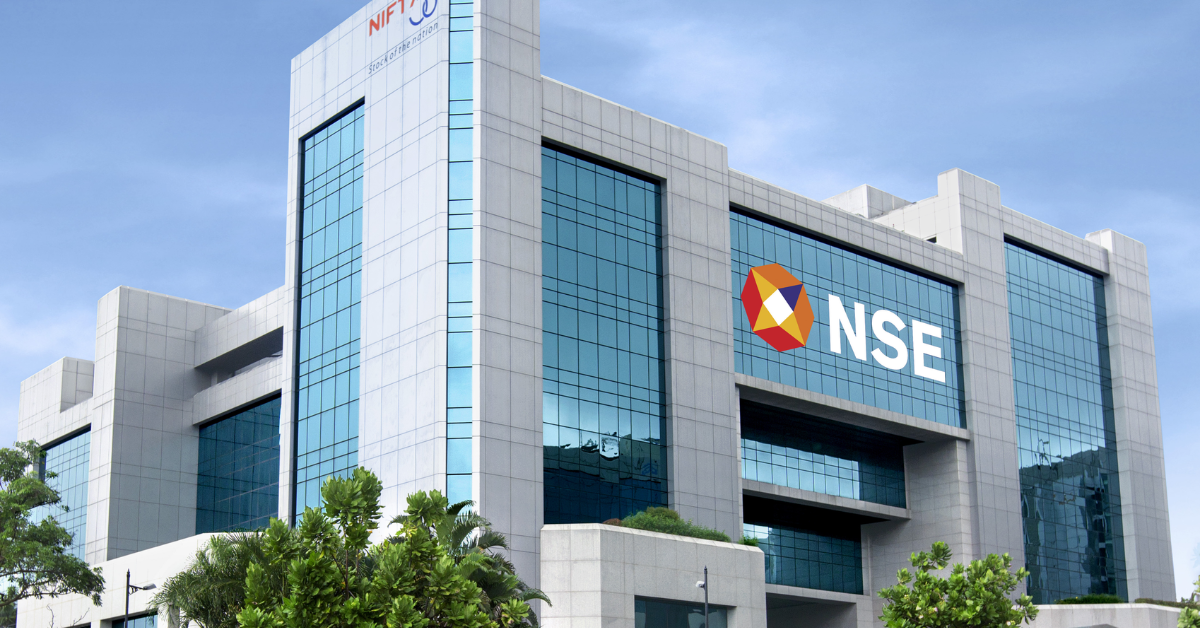
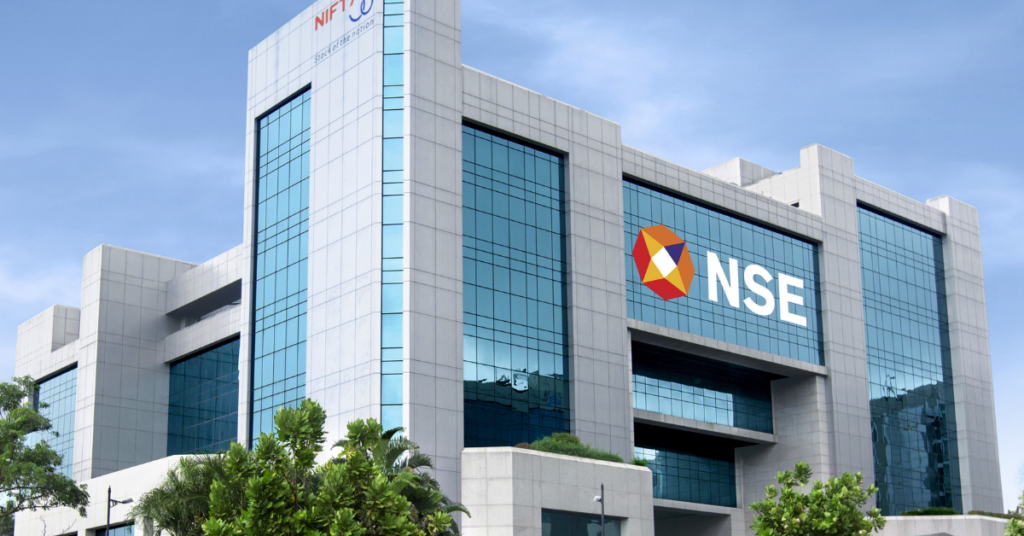
    The National Stock Exchange (NSE) has partnered with the Defence Ministry to provide capital market access to MSMEs in the defence sector through its NSE Emerge platform.

    New Delhi, Jul 29 (PTI) – The National Stock Exchange (NSE) announced on Monday that it has signed a memorandum of understanding (MoU) with the Ministry of Defence to facilitate capital market access for micro, small, and medium enterprises (MSMEs) in the defence sector.

    The MoU aims to help MSMEs in the defence sector raise productive capital for their growth plans efficiently and transparently through the NSE Emerge platform. This platform offers new and viable options for raising equity capital from a diversified set of investors, according to a statement from the exchange.

    The MoU will be in effect for five years. During this period, the Department of Defence Production (DDP) and NSE will conduct extensive awareness drives through seminars, MSME camps, knowledge sessions, roadshows, and workshops to guide corporates engaged with the Ministry of Defence on fundraising via the NSE Emerge platform.

    Additionally, NSE will assist MSMEs in connecting with intermediaries such as merchant bankers, registrars, transfer agents, and depositories. The exchange will also guide them regarding the capital markets, capital-raising mechanisms, regulatory compliance, and requirements.

    The MoU was signed by the Additional Secretary of the Department of Defence Production (DDP) and the Managing Director of NSE in the presence of Defence Secretary Giridhar Aramane.

    This partnership aims to help MSMEs and emerging companies in the defence sector scale up their business operations, explore new markets, and fund their R&D activities.

  • Study Outlines Path for India to Achieve $5 Billion Defence Export Goal

    Study Outlines Path for India to Achieve $5 Billion Defence Export Goal

    defence export

    Study Outlines Path for India to Achieve $5 Billion Defence Export Goal

    A recent study by Nexgen Exhibitions underscores the critical steps India must take to reach its USD 5 billion defense export goal by 2024-25. The key strategies include streamlining foreign direct investment (FDI), enhancing Research & Development (R&D), and boosting manufacturing capabilities. This comprehensive study involved over 130 national and international manufacturers of arms, ammunition, and security equipment.

     Key Insights from the Study

    Streamlining FDI and Enhancing R&D and Manufacturing
    Conducted across 15 cities in India, the study emphasizes the need for streamlined FDI inflows and elevated technology integration, including AI and other advanced technologies. A robust skill development ecosystem is also essential to create a pool of industry-ready professionals, enhancing India’s manufacturing capabilities.

    India’s Emergence as a Global Manufacturing Hub
    By bolstering R&D and manufacturing, India’s homeland security and defense sectors are poised to become global manufacturing hubs. The study points out the importance of increasing procurement categories to boost domestic defense manufacturing. Currently, India exports defense equipment to over 75 countries, demonstrating its expanding influence in the global defense market.

    Advanced Technologies and Disaster Management
    The homeland security sector is crucial for maintaining internal stability and protecting national interests. Integrating advanced technologies and data analytics is essential for effective threat detection, surveillance, and response. AI and machine learning can significantly improve risk prediction and mitigation. Additionally, a robust disaster management mechanism ensures preparedness and swift response to emergencies, enhancing public safety and national resilience.

     International Police Expo 2024
    The International Police Expo, set for July 4-5, 2024, in New Delhi, will bring together global and domestic manufacturers, suppliers, and innovators. With participants from over 25 countries, including the UK, USA, Israel, and Germany, the expo will showcase the latest innovations and technologies. This event provides a platform for international collaboration and the exchange of best practices, shaping the future of policing and homeland security.

    A spokesperson for Nexgen Exhibitions remarked, “The International Police Expo facilitates connections between global and domestic manufacturers, suppliers, and innovators, fostering discussions on the key priorities shaping the future of policing and homeland security.”

     Conclusion
    The study concludes that India’s path to achieving its USD 5 billion defense export goal by 2024-25 hinges on streamlined FDI, enhanced R&D, and manufacturing capabilities. Government support through policies and incentives, coupled with strategic partnerships and technological advancements, is crucial for positioning India as a global defense manufacturing hub.

  • The Uttar Pradesh government aims to attract investments of Rs 5,000 crore for the Defence Manufacturing

    The Uttar Pradesh government aims to attract investments of Rs 5,000 crore for the Defence Manufacturing

    Defence Industrial Corridor (UPDIC)

    The Uttar Pradesh government aims to attract investments of Rs 5,000 crore for the Defence Manufacturing

    The Union Environment Ministry has granted approval for the development of 60 hectares of land dedicated to the Uttar Pradesh Defence Industrial Corridor (UPDIC) in Chitrakoot.

    According to the Expressway Industrial Development Authority (UPEIDA), this approval will facilitate projects worth Rs 5,000 crore, potentially creating 100,000 job opportunities in Chitrakoot.

    A significant portion of Chitrakoot will be reserved as a greenbelt, and developers will incorporate modern measures for energy conservation, waste management, firefighting, and controlling noise, water, and air pollution. The UPDIC encompasses six nodes across Lucknow, Kanpur, Jhansi, Aligarh, Chitrakoot, and Agra districts.

    “This corridor is crucial for advancing the ‘Make in UP’ initiative of the Yogi Adityanath government and contributing to India’s military self-reliance and exports,” said a government official. The corridor will focus on producing drones, helicopters, arms, and ammunition.

    The state government has already approved defence manufacturing projects worth Rs 25,000 crore and signed 140 memorandums of understanding (MoUs) with both public and private companies. These MoUs include agreements with Adani Defence and Aerospace, BrahMos Aerospace, Ancor Research Labs, Tata Technologies, Bharat Dynamics Limited, Delta Combat Systems, SpiceJet Technic, Verivision, HAL, Gliders India, Defence Research & Development Organisation, Aerolloy Technologies, and others.

    The Expressway Authority plans to acquire nearly 5,000 hectares for UPDIC, with about 1,700 hectares already acquired and allotted to investors. Additionally, approximately 1,000 hectares have been allocated to investors in Jhansi for developing a hub dedicated to arms and ammunition production and testing, with Bharat Dynamics as the lead investor in Jhansi.

Login