Tag: Business

  • India Focused on Bridging Infrastructure Gaps to Become Global Manufacturing Hub

    India Focused on Bridging Infrastructure Gaps to Become Global Manufacturing Hub

    Siemens Executives

    Siemens Executives: India Focused on Bridging Infrastructure Gaps to Become Global Manufacturing Hub

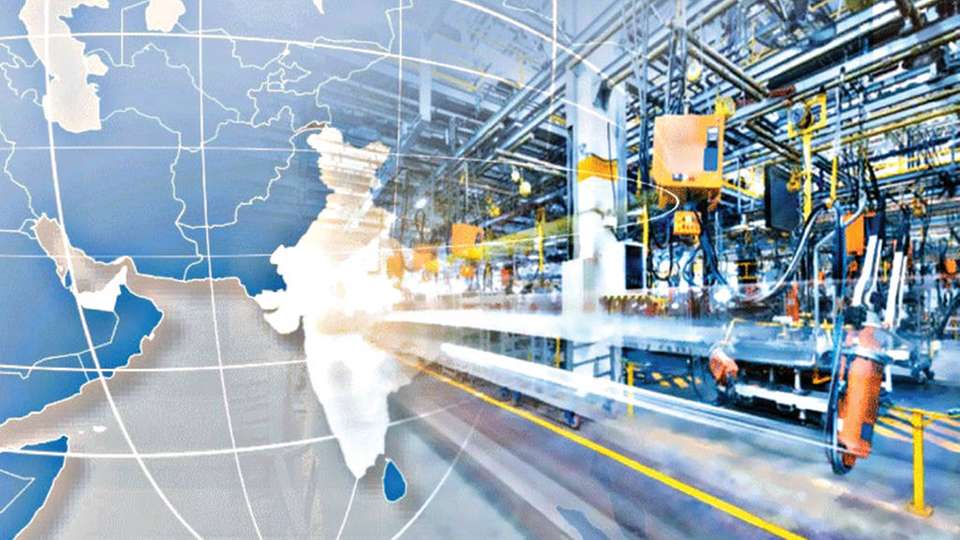
    According to senior executives at German manufacturing giant Siemens AG, India is actively addressing infrastructure challenges that have historically hindered its manufacturing growth, positioning the country to emerge as a top global manufacturing hub.

    Cedrik Neike, a member of Siemens AG’s managing board and CEO of Digital Industries, emphasized India’s strategic importance, highlighting the country’s imminent rise as a significant global player. “It (India) has always been important, but it’s on the brink of being an absolute major player, and we will do everything we can to support India’s growth and success,” Neike told ET.

    Sunil Mathur, managing director and CEO of Siemens India, pointed out India’s substantial capital expenditure (capex) commitments, with approximately 60% expected from the public sector and 40% from the private sector in the coming years. “There are not too many countries in the world that are spending $1.2 trillion of capex, so you will get the entire world coming in wanting to participate in India’s growth story,” Mathur stated.

    Siemens is actively engaged in discussions with leading entities like the Tata group to design supply chains for semiconductor manufacturing. Additionally, Siemens is exploring partnerships with other firms for the design of semiconductor and battery factories, as well as product and production process design.

    Neike highlighted India’s robust talent base, particularly in AI-centric development, emphasizing the country’s significance beyond being merely an “extended workbench” for Siemens. He underscored the pivotal role of Siemens’ Pune software center, which is globally recognized for its integration and innovation.

    Neike also discussed the broader economic landscape, noting the importance of efficiency and sustainability in driving businesses towards artificial intelligence (AI) solutions. Siemens is leveraging AI internally to enhance efficiency, simplify products, and harness its extensive data for industrial and energy sectors.

    In the context of global investments, Neike emphasized the significance of semiconductor manufacturing amid the AI revolution and geopolitical shifts. He also highlighted key focus areas for Siemens, including advancements in pharmaceuticals towards personalized medicine and the transition from internal combustion engines to electric vehicles in mobility.

    Despite global economic variances, Neike highlighted India’s resilience in the discrete manufacturing segment and emphasized the energy sector’s growth driven by sustainability efforts and electrification needs, positioning mobility for a sustained upward trend.


  • Why the SMB Financing Gap in India is an Exciting Opportunity for Fintech Founders

    Why the SMB Financing Gap in India is an Exciting Opportunity for Fintech Founders

    SMB Financing Gap in India

    Why the SMB Financing Gap in India is an Exciting Opportunity for Fintech Founders

    Small and medium business (SMB) financing in India poses a substantial opportunity for fintech founders, who can harness technology to revolutionize SMB lending. Despite challenges, fintech innovators have significant potential to pioneer solutions across four key themes.

    When SMB owners in India seek credit from banks today, they often face hurdles such as lack of credit history, insufficient collateral, and complex documentation requirements. Unable to meet formal lending criteria, many turn to informal sources like moneylenders, contributing to a fragmented market estimated at over $500 billion.

    Despite SMBs contributing significantly to the national GDP, they struggle with a persistent financing gap due to challenges faced by formal lenders, including high operational costs (OPEX) and non-performing assets (NPAs) within the SMB segment. Traditional lenders and Non-Banking Financial Companies (NBFCs) have made limited progress in addressing this gap.

    However, SMB financing in India presents a compelling opportunity for fintech founders to leverage technology and drive innovation in four key solution areas.

    One such solution theme is anchor lending, which involves introducing a credible anchor between lenders and borrowers. Anchors help reduce operational costs and minimize NPAs by sharing risk through mechanisms like First Loss Default Guarantee (FLDG) or providing borrower data for underwriting.

    Anchor-led lending leverages established institutions’ credibility to enhance SMBs’ access to finance, particularly in sectors like supply chain financing and education financing.

    Another solution theme is embedded lending, where financial options are integrated with non-financial products or services. This approach enhances loan conversion rates and reduces distribution costs by embedding lending services into existing customer relationships.

    A third solution, sunrise sector lending, focuses on emerging sectors with high growth potential, anticipating future financing needs not adequately addressed by traditional underwriting processes.

    Finally, sachet lending targets small loans (less than Rs 2 lakh) for short durations, making use of digitization to reduce operational costs and enable prompt loan disbursement.

    These innovative approaches signify the beginning of a transformative era for SMB financing in India. Fintechs and technology-led NBFCs are poised to drive substantial growth and bridge the financing gap by pioneering solutions tailored to the unique needs of SMBs in the country.

  • Indo-Japanese SME association on the anvil

    Indo-Japanese SME association on the anvil

    Indo-Japanese SME

    Indo-Japanese SME association on the anvil

    An initiative to forge an Indo-Japanese SME association is underway, aimed at facilitating Japanese small and medium enterprises (SMEs) to enter the burgeoning Indian market with support from both governments. Mehool N. Bhuva, President of the 70-year-old Indo-Japanese Association in Mumbai, emphasized the urgent need for intensified efforts to elevate India-Japan business partnerships to new heights.

    Speaking at a conference in Mumbai, Bhuva outlined the vision behind establishing an Indo-Japanese SMEs association based in Mumbai, with members from both countries’ SME sectors collaborating to form partnerships and penetrate the Indian market. However, he stressed that such an initiative requires robust support from the governments of India and Japan, particularly in overcoming language, cultural, and visa-related barriers.

    Bhuva highlighted the complementarity between Japanese resources—wealth and advanced technology—and India’s growing market potential, underlining the substantial investments made by Japan in Indian infrastructure projects like the Mumbai Trans Harbour Link. He anticipates further Japanese investments in emerging sectors such as semiconductors, IT, healthcare, and fintech in India.

    Currently, around 1,500 Japanese companies operate in India, primarily large corporations with global reach and banks. Bhuva noted that compared to China’s 20,000 Japanese businesses, India offers ample opportunities to attract more Japanese enterprises into its vibrant market landscape.

    In his role as the President of Mumbai-based consultancy Nichi Insurance Services Pvt Ltd, Bhuva assists Japanese businesses in navigating the Indian market, facilitating deals and investments that strengthen bilateral business ties. He highlighted the growing demand for IT talent from countries like India, the Philippines, and Vietnam among Japanese firms, underscoring the mutual benefits of fostering closer business collaborations.

    The international conference, organized by the US-based Entrepreneurs’ Organization (EO) and attended by delegates from 65 countries, served as a platform to promote entrepreneurship and foster global business connections. Bhuva’s efforts align with the broader vision of enhancing Indo-Japanese business synergies and leveraging each other’s strengths to drive economic growth and innovation.

  • Ministry of Heavy Industries receives bids for Advanced Chemistry Cell Manufacturing Units

    Ministry of Heavy Industries receives bids for Advanced Chemistry Cell Manufacturing Units

    Advanced Chemistry Cell Manufacturing Units

    Ministry of Heavy Industries receives bids for Advanced Chemistry Cell Manufacturing Units

    The Ministry of Heavy Industries in New Delhi has received bids from seven companies for the establishment of advanced chemistry cell (ACC) manufacturing units with a capacity of 10 GWh each, according to a press release from PIB.

    These companies submitted their bids under the Production Linked Incentives (PLI) Scheme for 10 GWh Advanced Chemistry Cell (ACC) on January 24, 2024. The pre-bid meeting took place on February 12, 2024, and the deadline for submitting applications was April 22, 2024. The list of bidding companies includes ACME Cleantech Solutions Private Limited, Amara Raja Advanced Cell Technologies Private Limited, Anvi Power Industries Private Limited, JSW Neo Energy Limited, Reliance Industries Limited, Lucas TVS Limited, and Waaree Energies Limited.

    The proposed battery manufacturing units collectively have a capacity of 70 GWh. In May 2021, the cabinet approved the National Programme on Advanced Chemistry Cell (ACC) for battery manufacturing with an allocation of Rs 18,100 crore. The first round of the ACC PLI bidding concluded in March 2022, with three beneficiary firms receiving a total capacity of 30 GWh.

    Program agreements with the selected beneficiary firms were signed in July 2022. On January 24, 2024, the government issued a Request for Proposal (RFP) to select a bidder to establish advanced chemistry cell manufacturing units with a total manufacturing capacity of 10 GWh and a maximum budgetary outlay of Rs 3,620 crore.

  • Building a cloud strategy for SME

    Building a cloud strategy for SME

    Building a cloud strategy for SME

    Building a cloud strategy for SME

    In the past few years, cloud computing has become a quickly emerging and adopted idea, especially among SMEs. Because SMEs lack the resources to acquire technical competence, this technology is best suited for them. With the help of cloud computing, they may set up a suitable IT infrastructure that helps SMEs effectively compete in the commercial market.

    SMEs can build an effective cloud strategy in several ways


    • Assess cloud computing requirements: SMEs should evaluate their IT needs, such as storage, computing power, and software requirements, and determine which cloud services (IaaS, PaaS, SaaS) best fit their business needs.
    • Evaluate cloud providers: SMEs should research and compare different cloud service providers based on factors like security, performance, compliance, and cost-effectiveness. They should ensure the provider meets their specific requirements.
    • Develop a cloud migration plan: SMEs should create a detailed plan for migrating their existing IT infrastructure and applications to the cloud. This includes identifying which workloads to move, managing the transition, and training employees
    • Ensure data security and privacy: SMEs should carefully assess the cloud provider’s security measures, data protection policies, and compliance with relevant regulations. They should also develop their own security policies and procedures.
    • Leverage cloud benefits: By adopting cloud computing, SMEs can benefit from increased agility, scalability, cost savings, and the ability to access IT services on-demand without upfront investments.
    • Maintain cloud governance: SMEs should establish clear policies and processes for managing cloud services, monitoring usage, and optimizing costs to ensure the cloud strategy aligns with their business objectives.


    By following these steps, SMEs can build a comprehensive cloud strategy that enables them to leverage the benefits of cloud computing while mitigating the associated risks.


    To know more, read further sources here: https://wolfconsulting.com/creating-a-cloud-strategy/


  • Exploring the Impact of Textile Innovations on India’s Fashion Future

    Exploring the Impact of Textile Innovations on India’s Fashion Future

    textile industry

    Exploring the Impact of Textile Innovations on India’s Fashion Future

    At the cusp of a transformative era, India’s textile industry is poised to take center stage on the global platform. Fueled by its rich cultural heritage, the industry is venturing into realms of innovation, sustainability, and international integration. As a pivotal contributor to the nation’s economic growth, it weaves an intricate fabric, ranging from traditional handloom to cutting-edge manufacturing units.

    Rooted in tradition, the Indian textile industry is witnessing a harmonious blend of sustainable fibers and innovative practices, attracting attention from global audiences and markets alike. Projections suggest that India’s textile and apparel manufacturers market will reach the $350 billion mark by 2030, indicating a promising trajectory of growth and innovation.

    The Visionary 5F Framework

    To bolster India’s ‘Make in India’ initiative, the government has expanded the 5F Framework—Farm to Fibre to Factory to Fashion to Foreign. Serving as a roadmap for the textile industry, this approach advocates holistic integration of the production process, from raw material cultivation to global product presentation. Particularly, in the realm of factory-to-fashion, emphasis is placed on modernizing manufacturing cycles and leveraging innovative technologies for enhanced efficiency and quality.

    Embracing Sustainable Fabrics

    In response to global eco-consciousness, India’s textile market is actively curating sustainable and ethical fashion narratives. Despite the historical dominance of animal fibers, the industry is exploring green fibers, such as SeaCell—a sustainable innovation derived from seaweed-like material. Prioritizing organic dyes and fair labor practices further propels the industry toward sustainable growth.

    Celebrating Cultural Textile Artistry

    India’s textile landscape boasts a rich cultural heritage, characterized by diverse garments from different regions. Traditional handloom techniques are revered for their intricate designs, while artisanal craftsmanship embodies individualistic expression. Inspiring fashion designers and global textile houses, India’s textile industry exudes authenticity and charm.

    Modernization Through Digital Technology

    Embracing modernization, India’s textile ecosystem is integrating technological advancements through digitization. AI algorithms enhance production efficiency, streamline supply chains, and optimize inventory management, catering to a tech-savvy consumer base.

    Conclusion

    Leveraging its strengths in cultivation, manufacturing, and design, India’s textile landscape, supported by government initiatives, offers promising opportunities. The convergence of traditional techniques with modern technology is poised to elevate India’s status as a global textile manufacturing hub. Amidst this journey from yarn to final product, India’s textile saga captivates the world with vibrant threads of innovation and sustainability.

  • Government Strategy to Boost Manufacturing and Services in India

    Government Strategy to Boost Manufacturing and Services in India

    manufacturing sector

    Government Strategy to Boost Manufacturing and Services in India

    Union Finance Minister Nirmala Sitharaman unveiled the government’s comprehensive plan on Saturday to transform India into a hub for manufacturing and services, aiming not only to cater to the domestic market but also to bolster exports.

    Responding to inquiries about Elon Musk’s postponed meeting with Prime Minister Narendra Modi, Sitharaman emphasized the government’s commitment to attracting investments through tailored policies. “We want manufacturers and investors to come and produce not just for India but also for exports,” she affirmed. “When big companies express interest in India, we will strive to create an attractive environment for them to invest.”

    Highlighting the government’s proactive stance, Sitharaman asserted that India’s policies have been instrumental, especially amid concerns about diversifying from China. She underscored the efforts to make India a favorable destination for manufacturing and services.

    Regarding inflation, Sitharaman noted that it remained within the tolerance band during the Modi government, contrasting with the double-digit inflation prevalent before 2014. “We have emerged as the world’s fifth-largest economy through hard work, and we are confident about reaching the third position in the next two to two-and-a-half years,” she added.

    Addressing employment concerns, Sitharaman acknowledged data limitations but highlighted initiatives like government job creation through the Rozgar Mela. She also discussed the rule requiring larger companies to pay Micro, Small, and Medium Enterprises (MSMEs) within 45 days, clarifying that tax treatment remains unchanged.

    Responding to queries about the Indian rupee’s depreciation against the US dollar, Sitharaman attributed the fluctuation to global uncertainties and oil supply disruptions from the Middle East.

    In her address to industry leaders from Gujarat on ‘Viksit Bharat -2047’, Sitharaman commended the state’s significant contributions to the Production Linked Incentive (PLI) scheme, particularly in semiconductor manufacturing. She highlighted Gujarat’s position in attracting foreign direct investment (FDI) in manufacturing and emphasized the role of the International Financial Services Centre (IFSC) at GIFT City in Gandhinagar in propelling India’s financial services sector.

    Sitharaman’s remarks underscored the government’s commitment to fostering a conducive environment for economic growth, positioning India as a leading destination for manufacturing and services in the global market.

  • TRAI Unveils Guidelines for Regulatory Sandboxing

    TRAI Unveils Guidelines for Regulatory Sandboxing

    TRAI

    TRAI Unveils Guidelines for Regulatory Sandboxing in the Digital Communication Sector

    The Telecom Regulatory Authority of India (TRAI) has proposed the establishment of a regulatory sandbox to foster innovative technologies in the digital communication sector. This recommendation follows the release of a consultation paper last year, which sought feedback on the regulatory sandbox framework. Notably, Bharti Airtel and Reliance Jio had contested the necessity of sandboxing, citing existing mechanisms within the telecom sector for product and service testing.

    Under the proposed framework outlined in the consultation paper, any licensed service provider meeting specified conditions will be eligible to participate in the regulatory sandbox as principal applicants. Additionally, Indian entities exclusively are eligible to apply for participation, a suggestion put forth by Vodafone Idea (Vi) in response to the consultation paper.

    Furthermore, if an entity fails to secure consent from a telecom operator or if the product does not require association with a telco, direct application to the sandbox is permissible. However, such applications must demonstrate efforts made to collaborate with a telco.

    Eligibility Criteria for Sandbox Participants:

    1. Pre-testing Requirement: Applicants must subject their product to limited testing before applying for the sandbox.

    2. Regulatory Exemptions: Applicants must specify the regulatory exemptions required for sandbox testing, along with the anticipated testing period.

    3. Institutional Mechanism: For exemptions beyond the Department of Telecommunications (DoT) jurisdiction, the DoT will establish an institutional mechanism to facilitate the process within 60 days.

    4. Resource Specification: Participants must clearly outline the resources or facilitations sought during the sandboxing process.

    5. Risk Management: Products being tested must have a comprehensive risk management strategy in place.

    6. Consumer Protection: Participants must prioritize consumer interests and ensure compliance with the Digital Personal Data Protection Act (DPDP 2023).

    7. Testing Parameters: Test parameters, control boundaries, milestones, and anticipated outcomes must be defined, alongside mechanisms for monitoring and evaluating the testing process.

    Removal of Minimum Net Worth Requirement:

    The requirement of a minimum net worth of Rs. 25 lakhs has been eliminated from the eligibility criteria, as it was deemed counterproductive to innovation by stakeholders.

    Application Approval Process:

    1. Application Stage: The DoT will review applications within 7 days and provide feedback on any shortcomings. Applicants can rectify these shortcomings within 10 days, with the DoT reviewing the complete application within 30 days.

    2. Evaluation Stage: Applications will be evaluated based on eligibility criteria. The DoT will collaborate with applicants to determine specific regulatory exemptions and conditions. Approval will be granted if the applicant meets regulatory requirements.

    3. Testing Stage: A designated officer will oversee sandbox testing, with any material changes requiring prior approval from the DoT.

    Oversight and Reporting:

    The National Telecommunications Institute for Policy Research, Innovation, and Training (NTIPRIT) will oversee the sandbox, with representatives from the Telecom Engineering Centre (TEC) and academic institutions as necessary. Participants must establish reporting and monitoring mechanisms, including periodic reports and a comprehensive report post-sandbox testing.

    Funding:

    The Digital Bharat Nidhi under the Telecommunication Act 2023 will provide financial support for innovation in the telecom sector. The DoT may consider funding for sandboxed products, with preference given to proposals not requiring funding.

  • The Evolution of Resource Management Software

    The Evolution of Resource Management Software

    ERP Software

    Unlocking New Frontiers: The Evolution of Resource Management Software

    In the ever-evolving landscape of business operations, the significance of effective resource management has never been more pronounced. In 2024, we witnessed a notable shift in the paradigm of resource management software, marked by the convergence of cutting-edge technologies and strategic business practices. Organizations are keenly observing the infusion of artificial intelligence and machine learning into resource management software for consulting companies, recognizing that these advancements are not merely enhancing software functionality but also revolutionizing the precision with which resources are managed and allocated.

    This year’s trends underscore a more agile and informed approach, where data-driven insights play a pivotal role in shaping strategic decisions concerning human and material resources. With the rapid advancement of enterprise resource planning (ERP) technologies, businesses are empowered to anticipate changes and tailor their strategies for optimal operational efficiency. The growing emphasis on strategic business management within resource management software signifies a shift from tactical scheduling to a holistic planning process that aligns an organization’s resources with its long-term objectives.

    Key Insights into the Evolving Landscape

    1. Optimization through Advanced Technologies: Resource management efforts are being optimized through the integration of advanced technologies.

    2. Data-Driven Decision-Making: Data-driven insights are fostering strategic decision-making processes.

    3. Focus on Strategic Planning: There is a notable shift towards strategic planning within resource management trends.


    Evolving Dynamics in Enterprise Resource Planning (ERP)

    In 2024, the realm of Enterprise Resource Planning (ERP) is undergoing significant transformations, driven by digital transformation and the emergence of new technologies. Companies are increasingly leveraging artificial intelligence (AI), cloud computing, and data analytics to facilitate efficient, data-driven decision-making processes.

    Advancements in AI and ML

    Artificial Intelligence and Machine Learning are spearheading the evolution of ERP software, enabling predictive analytics and automation. These technologies enhance forecasting accuracy and streamline decision-making processes, with generative AI revolutionizing ERP capabilities across various tasks.

    Cloud and Mobile ERP Solutions

    The shift towards cloud-based and mobile ERP solutions is democratizing access to ERP systems, making them more adaptable and flexible. Cloud ERP offers scalability and cost-effectiveness, facilitating remote access, while mobile ERP enhances user experience by providing real-time access to ERP systems from anywhere.

    Integration and Customization

    Integration and customization are imperative for modern ERP systems, enabling seamless connections between different software systems. Application Programming Interfaces (APIs) play a crucial role in facilitating these integrations, enhancing overall efficiency and data consistency across business functions.

    Industry-Specific ERP Development

    ERP vendors are increasingly offering industry-specific solutions tailored to the unique needs of different sectors. These specialized systems incorporate industry best practices and regulatory requirements, empowering companies to leverage ERP more effectively.

    Data Analytics and Real-Time Information

    Real-time data and analytics are becoming indispensable for informed decision-making. ERP trends are leaning towards integrating robust data analytics and business intelligence tools, transforming vast amounts of data into actionable insights.

    Strategic Business Management

    Strategic business management takes center stage in the dynamic realm of resource management software, directly influencing competitive advantage and business continuity through advanced resource optimization strategies.

    Resource Optimization and Efficiency

    Efficiency remains paramount in resource management strategies, with tools focused on optimization leveraging forecasting algorithms to ensure effective asset utilization. These tools integrate supply chain management and marketing automation, streamlining operations end-to-end.

    Tackling Modern Challenges

    Resource management software now plays a pivotal role in addressing contemporary business challenges, offering resilience-focused features to navigate disruptions and maintain business continuity.

    Future-Proofing through Scalability

    Scalability is essential for the future of ERP systems, ensuring long-term sustainability amidst evolving market demands.

    Human Capital and Talent Management

    Effective talent management tools within resource management systems support HR departments in attracting and retaining top talent and aligning individual career goals with organizational objectives.

    Conclusion

    In 2024, resource management software is undergoing strategic shifts and technological integrations, empowering organizations to optimize resource allocation and forecasting. The infusion of Artificial Intelligence and Machine Learning into ERP systems is driving decision-making and operational management to new heights. The trend towards mobile ERP solutions reflects a broader drive toward dynamic, intelligent, and accessible resource management tools, catering to the evolving needs of modern workplaces.

  • Must have digital tools for SME

    Must have digital tools for SME

    digital tools for sme

    What digital tools should you have for your SME?

    Digital tools play a crucial role in the operations and growth of SMEs. They contribute greatly to the overall output and also influence the outreach of SMEs. Hence, identifying the correct tools for your business is an important task. Here are some must-have digital tools tailored specifically for small and medium-sized enterprises:

    Website Builder

    Establishing an online presence is essential for SMEs. Website builders like Wix, Squarespace, or WordPress (with plugins like Elementor) allow businesses to create professional-looking websites without the need for coding skills.


    E-commerce Platforms

    For SMEs involved in online retail, e-commerce platforms such as Shopify, WooCommerce (for WordPress), or BigCommerce provide comprehensive solutions for building and managing online stores.


    Digital Marketing Tools

    Tools like Google Ads, Facebook Ads Manager, and LinkedIn Ads enable SMEs to run targeted advertising campaigns, reach their audience, and drive website traffic or conversions. Additionally, email marketing platforms like Mailchimp or ConvertKit help SMEs engage with their customers through email campaigns.


    Social Media Management Tools

    Social media plays a crucial role in SMEs’ marketing strategies. Tools like Hootsuite, Buffer, or Sprout Social help manage multiple social media accounts, schedule posts, track performance, and engage with followers effectively.


    Accounting and Invoicing Software

    Accounting and invoicing software streamlines financial management tasks such as invoicing, expense tracking, and tax preparation. Options like QuickBooks, Xero, or Wave offer user-friendly interfaces and robust features tailored for SMEs.


    Project Management Platforms

    Project management tools facilitate collaboration and task management among team members. Platforms like Trello, Asana, or ClickUp help SMEs organize projects, assign tasks, set deadlines, and track progress efficiently.


    Customer Relationship Management (CRM) Software

    CRM software centralizes customer data, streamlines sales processes, and enhances customer relationships. Options like HubSpot CRM, Zoho CRM, or Salesforce Essentials offer features for contact management, lead tracking, and sales pipeline management.


    Online Collaboration Tools

    With remote work becoming increasingly common, online collaboration tools like Google Workspace (formerly G Suite), Microsoft 365, or Slack enable SMEs to communicate, share files, and collaborate in real-time regardless of location.


    Cloud Storage and File Sharing Services

    Cloud storage platforms such as Google Drive, Dropbox, or OneDrive offer secure storage, easy file sharing, and collaboration features, making it convenient for SMEs to access and manage their files from anywhere.


    Cybersecurity Solutions

    Protecting digital assets and sensitive data is paramount for SMEs. Antivirus software, firewalls, and cybersecurity suites from reputable providers like Norton, Bitdefender, or McAfee help defend against cyber threats and keep SMEs’ digital environments secure.

    By leveraging these digital tools effectively, SMEs can streamline operations, improve productivity, and position themselves for growth in today’s digital landscape.


    Read more: https://www.smeinstitute.ca/best-digital-tools-to-level-up-your-business/

Login