Tag: AI

  • AI to Boost Global GDP by Trillions by 2030

    AI to Boost Global GDP by Trillions by 2030

    AI

    AI to Boost Global GDP by Trillions by 2030

    Artificial Intelligence is set to significantly reshape the global economy, with projections indicating a substantial boost to GDP. A recent report estimates that AI could add nearly $15.7 trillion to global GDP by 2030. This transformative technology is rapidly changing industries and creating new opportunities for economic growth across the world.

    The report highlights a disparity in AI adoption rates. Developed economies are leading the charge, with over 66 per cent having national AI strategies. In contrast, only 30 per cent of developing economies and a mere 12 per cent of least-developed economies have similar strategies in place. This difference underscores the need for broader access to AI resources and expertise to ensure inclusive global economic growth.

    The race to harness the power of AI hinges on four key elements: computing power, data availability, sophisticated models, and skilled talent. While nations like the US and China are currently at the forefront, many other countries have the potential to make significant advancements by focusing on specific AI interventions. The potential impact of AI on global GDP makes it a crucial area of focus for policymakers and businesses alike.

    Sectors Experiencing Growth

    Certain sectors are experiencing more rapid AI integration than others, primarily due to the availability of large datasets and clear applications. The financial services and retail industries are leading the way in adopting AI solutions, leveraging data-rich environments to enhance customer service, streamline operations, and improve decision-making. These sectors have readily embraced AI to gain a competitive edge and drive economic growth.

    However, the report also indicates that socially critical sectors such as agriculture and public services are lagging behind in AI adoption. These sectors often face challenges related to fragmented infrastructure, limited funding, and difficulty in demonstrating a clear return on investment. Overcoming these hurdles is essential to unlock the potential of AI to address critical societal needs and contribute to broader economic growth. Increased investment and strategic planning are needed to accelerate AI adoption in these vital areas by 2030.

    The uneven distribution of AI adoption across sectors highlights the need for targeted interventions and support. Addressing the specific challenges faced by sectors like agriculture and public services is crucial to ensure that the benefits of AI are shared more equitably across the global economy. By fostering innovation and providing resources to these sectors, we can unlock new opportunities for economic growth and improve the lives of citizens worldwide. The projected $15.7 trillion boost to global GDP by 2030 hinges on widespread AI adoption.

    Challenges And Considerations

    Despite the immense potential of AI to boost the global economy, several challenges and considerations must be addressed to ensure responsible and equitable deployment. One significant hurdle is the ethical implications of AI, particularly concerning bias in algorithms and the potential for job displacement. Careful consideration must be given to developing AI systems that are fair, transparent, and accountable.

    Another key challenge is the need for robust data privacy and security measures. As AI systems rely on vast amounts of data, it is crucial to protect individuals’ privacy and prevent data breaches. Implementing strong data governance frameworks and investing in cybersecurity are essential to building trust in AI and fostering its widespread adoption. The report highlights the importance of addressing these concerns to unlock the full potential of AI to add $15.7 trillion to global GDP by 2030.

    Furthermore, the skills gap poses a significant obstacle to realizing the benefits of AI. As AI technologies become more prevalent, there is a growing need for workers with the skills to develop, deploy, and maintain these systems. Investing in education and training programs is crucial to equip individuals with the skills they need to thrive in the AI-driven global economy. Bridging the skills gap will not only drive economic growth but also ensure that the benefits of AI are shared more broadly.

  • Best ERP Software for SMEs in India (2025 Edition)

    Best ERP Software for SMEs in India (2025 Edition)

    ERP

    Best ERP Software for SMEs in India (2025 Edition)

    In today’s fast-evolving business landscape, small and medium-sized enterprises (SMEs) in India are increasingly recognizing the importance of digital tools for growth. One of the most critical tools among them is ERP software – a solution that centralizes operations, automates processes, and offers real-time visibility across departments.

    But with dozens of ERP solutions in the market, choosing the right one can be overwhelming. To make your decision easier, we’ve curated a list of the best ERP software for Indian SMEs in 2025, starting with a powerful homegrown solution: Vision ERP.

    Why SMEs Need ERP Software in 2025

    ERP (Enterprise Resource Planning) software is no longer just for large enterprises. Today’s SMEs need to manage increasing complexity from inventory and compliance to multi-location operations and customer expectations. Here’s how ERP helps:

    • Real-time business insights
    • Automation of repetitive tasks
    • Smarter inventory control
    • Scalable infrastructure for growth
    • Better compliance and audit readiness

    With cloud-based and AI-powered ERP systems becoming more affordable, SMEs now have access to enterprise-level tools at SME-level costs.

    1. Vision ERP by Proteus

    Vision ERP is a robust, AI-powered ERP solution designed specifically for Indian SMEs. Built by Proteus Technologies, this cloud-native software caters to diverse industries like pharmaceuticals, food processing, engineering, FMCG, and textiles.

    Standout Features:

    • AI-driven automation and predictive insights
    • Fast implementation (go live in days)
    • User-friendly, mobile-accessible interface
    • Industry-specific modules for faster onboarding
    • Real-time dashboards and reporting


    1. Zoho One (Zoho ERP)

    Zoho One offers a comprehensive suite of cloud applications that functions as an ERP for startups and service-driven SMEs. It’s ideal for teams looking for quick deployment and easy usability.

    Key Benefits:

    • Budget-friendly
    • Cloud-based and mobile-ready
    • Strong CRM, HR, and finance integration

    1. TallyPrime with Cloud Access

    Tally has long been the go-to software for accounting in India. With the advent of Tally on Cloud, it has become a basic ERP alternative for SMEs focusing on inventory and financial management.

    Why Consider It:

    • Easy transition for existing Tally users
    • Ideal for basic finance and stock control
    • Familiar and simple interface


    1. SAP Business One

    For SMEs that are scaling rapidly and require robust features, SAP Business One is a powerful ERP platform offering deep functionality and strong global support.

    Strengths:

    • Advanced reporting and analytics
    • Strong integration ecosystem
    • Best suited for manufacturing and distribution businesses

    1. ERPNext

    ERPNext is an open-source ERP developed in India, ideal for companies that prefer flexibility and in-house customization.

    Notable Features:

    • Modular structure with apps for CRM, HR, and Projects
    • Suitable for manufacturing, retail, and education sectors

    Active open-source community for support

    The best ERP solution for your business depends on your industry, budget, and how fast you want to scale. While global tools like SAP and Zoho offer depth and brand recognition, Indian solutions like Vision ERP stand out for their speed of implementation, localized features, and industry-specific flexibility.

    As we move deeper into 2025, SMEs that adopt smart ERP systems will have a clear edge in efficiency, decision-making, and growth readiness.

  • G7 pledges joint effort on AI adoption

    G7 pledges joint effort on AI adoption

    g7

    G7 pledges joint effort on AI adoption

    Leaders at the G7 Summit have pledged a joint effort to accelerate the adoption of artificial intelligence across various sectors. Recognising the transformative potential of AI technology, the G7 nations are committed to working together to boost its integration within the public sector. This initiative aims to improve efficiency, enhance services, and foster innovation across government operations.

    A key priority is supporting small and medium-sized enterprises (SMEs) in their digital transformation journey. The G7 recognises that SMEs often face unique challenges in accessing and implementing AI solutions. Therefore, the focus will be on helping SMEs adopt and develop safe, secure, and trustworthy AI systems, ensuring they can benefit from this technology and remain competitive in the global market. This cooperation will facilitate the sharing of best practices and resources, empowering SMEs to leverage AI for growth and efficiency.

    The G7 also acknowledges the significant energy demands associated with AI. A crucial aspect of their joint effort involves addressing these energy challenges and exploring the potential of AI in driving energy efficiency and innovation. This includes developing AI-powered solutions for optimising energy consumption, improving grid management, and accelerating the development of renewable energy sources. By harnessing AI, the G7 aims to create a more sustainable and energy-efficient future.

    Key Areas Of Collaboration

    The G7 nations are set to intensify their cooperation in several key areas to drive responsible artificial intelligence development and deployment. One primary focus is on establishing common standards and frameworks for AI, ensuring interoperability and facilitating cross-border data flows. This collaborative approach will promote a level playing field for businesses and researchers, encouraging innovation and preventing fragmentation of the global AI landscape. Harmonising regulations and guidelines is crucial for fostering trust and confidence in AI technology.

    Another vital area of collaboration centres on promoting AI skills development and education. The G7 recognises the need to equip the workforce with the necessary skills to thrive in an AI-driven economy. This involves investing in education and training programmes that focus on AI-related skills, such as data science, machine learning, and AI ethics. By fostering a skilled workforce, the G7 aims to ensure that its citizens can fully participate in and benefit from the digital transformation powered by AI.

    Furthermore, the G7 is committed to supporting research and development in AI, particularly in areas that address societal challenges. This includes funding research into AI applications for healthcare, climate change, and sustainable development. By pooling resources and expertise, the G7 nations can accelerate the development of innovative AI solutions that contribute to solving pressing global issues. This collaborative approach to research and development will help unlock the full potential of artificial intelligence for the benefit of humanity.

    Addressing Ai Risks

    Recognising the potential risks associated with artificial intelligence, the G7 is committed to addressing these challenges proactively. A key focus is on mitigating biases in AI systems to ensure fairness and prevent discrimination. The G7 nations will work together to develop methodologies for identifying and rectifying biases in AI algorithms and datasets. This collaborative effort aims to promote equitable outcomes and prevent the perpetuation of societal inequalities through AI technology. Ensuring transparency and accountability in AI systems is also vital to build public trust and confidence.

    Another critical area involves addressing cybersecurity threats related to AI. As AI systems become more integrated into critical infrastructure and sensitive applications, protecting them from malicious attacks is paramount. The G7 will collaborate on developing robust cybersecurity frameworks and best practices for AI, including measures to prevent data breaches, algorithmic manipulation, and other forms of cybercrime. Strengthening international cooperation on cybersecurity is essential to safeguard the integrity and reliability of AI systems. This includes promoting information sharing and joint exercises to enhance preparedness and response capabilities.

    The G7 also acknowledges the importance of addressing the potential misuse of AI for malicious purposes, such as autonomous weapons and surveillance technologies. They are committed to working together to establish ethical guidelines and legal frameworks that govern the development and deployment of AI in these sensitive areas. This includes promoting responsible innovation and preventing the use of AI in ways that violate human rights or undermine international security. The G7’s cooperation aims to ensure that AI technology is used for the benefit of humanity and not as a tool for harm.

    Global Ai Governance

    The G7 nations recognise that the governance of artificial intelligence requires a global perspective. They are dedicated to fostering international cooperation to establish common principles and standards for AI governance. This includes working with international organisations, such as the United Nations and the OECD, to promote a harmonised approach to AI regulation and ethics. By engaging in multilateral dialogue, the G7 aims to ensure that AI is developed and deployed responsibly on a global scale, addressing concerns related to data privacy, security, and human rights. This collaborative effort is essential for building a trusted and inclusive AI ecosystem.

    A central aspect of global AI governance is promoting interoperability and avoiding fragmentation. The G7 seeks to facilitate the seamless flow of data and AI technologies across borders, while respecting national laws and regulations. This involves establishing common frameworks for data governance, including data protection and cross-border data transfers. By fostering interoperability, the G7 aims to unlock the full potential of artificial intelligence for global innovation and economic growth. This also requires addressing potential barriers to trade and investment in AI, such as discriminatory practices and protectionist measures.

    Furthermore, the G7 recognises the importance of promoting ethical considerations in AI development and deployment worldwide. This includes establishing ethical guidelines and frameworks that address issues such as bias, fairness, and accountability. The G7 nations will work together to promote responsible innovation in AI, ensuring that the technology is used for the benefit of all and does not exacerbate existing inequalities. By championing ethical AI, the G7 aims to build public trust and confidence in this transformative technology and promote its responsible adoption across the globe. This requires ongoing dialogue and collaboration with stakeholders, including governments, industry, academia, and civil society.

  • Top 5 Cloud ERP Software in India

    Top 5 Cloud ERP Software in India

    ERP Software

    Top 5 Cloud ERP Software in India

    In today’s rapidly evolving business environment, Cloud ERP software is becoming a game-changer for businesses of all sizes. With improved accessibility, reduced costs, and real-time data management, cloud-based ERP solutions are enabling companies to streamline operations and boost efficiency.

    What is Cloud ERP and How Does It Work?

    Cloud ERP (Enterprise Resource Planning) is a software hosted on a cloud platform that helps businesses manage their core functions – such as finance, inventory, sales, HR, and procurement – from a centralized system accessible via the internet. Unlike traditional ERP systems that require heavy on-premise infrastructure, cloud ERP offers scalability, flexibility, and lower upfront investment.

    Users can access cloud ERP platforms anytime, anywhere through a web browser. The system is regularly updated, and maintenance is handled by the provider, reducing IT overhead for businesses.

    Why Cloud ERP Is Important for Indian Businesses

    India’s SME and mid-market sector is booming. However, these businesses often struggle with fragmented data, manual processes, and limited visibility. This is where cloud-based ERP systems become essential:

    • Cost-effective and scalable
    • Real-time data access and analytics
    • Faster implementation and updates
    • Improved collaboration across locations
    • Enhanced data security and compliance

    Top 5 Cloud ERP Software in India

    1.Vision ERP by Proteus

    Vision ERP is a powerful AI-powered cloud ERP tailored for mid to small industries in India. It supports industry-specific templates for pharmaceuticals, food & beverages, textiles, engineering, life sciences, and more.

    Key Features:

    • AI-driven automation for smarter decision-making
    • Self-customizable modules to fit your business
    • Scalable and quick to implement
    • Cloud-native with built-in business intelligence
    • Ideal for fast-growing companies and SMEs

    2. SAP Business One

    A well-known name globally, SAP Business One offers a localized cloud ERP solution for Indian businesses. It is suited for SMEs seeking an integrated platform for finance, operations, and CRM.

    Pros:

    • Strong analytics and reporting tools
    • Trusted global support
    • Suitable for manufacturing and retail sectors


    3. TallyPrime with Tally on Cloud

    Tally is a household name in Indian accounting. With Tally on Cloud, businesses can now experience TallyPrime in a cloud environment, making it easier to access across locations.

    Pros:

    • Familiar UI for Indian businesses
    • Great for accounting and inventory
    • Affordable for small businesses

    4. Oracle NetSuite ERP

    A leading cloud ERP for growing enterprises, Oracle NetSuite provides a robust suite for finance, CRM, eCommerce, and supply chain management.

    Pros:

    • Strong financial management features
    • Good scalability for fast-growing firms
    • Excellent integration capabilities

    5. Zoho ERP (Zoho One)

    Zoho offers a bundle of business applications, and Zoho One functions like an ERP for small and medium-sized enterprises. It includes tools for sales, finance, HR, and operations.

    Pros:

    • Budget-friendly
    • Easy to use
    • Wide range of integrations


  • India’s gpu surge boosts indigenous ai

    India’s gpu surge boosts indigenous ai

    AI

    India’s gpu surge boosts indigenous ai

    India’s burgeoning artificial intelligence (AI) landscape is experiencing a significant acceleration, fuelled by the increasing availability and deployment of powerful Graphics Processing Units (GPUs). These GPUs are the workhorses behind the complex computations required for training and running sophisticated AI models, making them indispensable for advancements in various sectors. The surge in GPU adoption marks a pivotal milestone in India’s journey towards establishing a robust indigenous AI ecosystem.

    The demand for GPUs is being driven by both public and private sector initiatives. Research institutions are leveraging GPU-powered supercomputing infrastructure to conduct cutting-edge AI research, focusing on areas like natural language processing, computer vision, and machine learning. Start-ups are also increasingly relying on GPUs to develop innovative AI-driven solutions for healthcare, finance, and agriculture. This widespread adoption demonstrates the transformative potential of GPU technology in unlocking new possibilities for AI development across diverse industries within India.

    One notable example is the deployment of advanced supercomputing facilities equipped with a substantial number of GPUs. These facilities provide researchers and developers with the computational muscle necessary to tackle complex AI challenges. For instance, the installation of a cluster with over 34000 GPUs significantly enhances the nation’s capacity for training large-scale AI models. This enhanced infrastructure empowers India to compete globally in the rapidly evolving field of artificial intelligence. The accessibility of such resources is crucial for fostering innovation and nurturing a skilled workforce in the AI domain.

    Government Initiatives Driving Growth

    The Indian government is playing a crucial role in accelerating the adoption of AI through a range of strategic initiatives. These initiatives aim to foster innovation, build capacity, and promote the development of an indigenous AI ecosystem. A key focus is on creating a supportive regulatory environment that encourages responsible AI development and deployment. The government recognises that a clear and ethical framework is essential for building public trust and ensuring that AI benefits all segments of society.

    Investment in research and development is another cornerstone of the government’s AI strategy. Significant funding is being allocated to support AI research projects in academic institutions and research labs across India. These projects cover a wide spectrum of AI applications, from healthcare and agriculture to smart cities and cybersecurity. By fostering collaboration between academia, industry, and government, India aims to create a vibrant ecosystem that drives innovation and translates research breakthroughs into real-world solutions. This strategic funding ensures the continued acceleration of AI technology.

    Furthermore, the government is actively promoting skills development in AI and related fields. Several programs have been launched to train students, researchers, and professionals in the latest AI technologies, including GPU-accelerated computing and deep learning. These programs are designed to address the growing demand for skilled AI professionals and ensure that India has a workforce capable of driving the next wave of AI innovation. The initiative to equip the nation with supercomputing facilities boasting over 34000 GPUs represents a significant milestone, underlining the commitment to providing the necessary technological infrastructure for AI advancement in India.

    Challenges And Future Prospects

    Despite the impressive acceleration in India’s AI capabilities, several challenges remain. One significant hurdle is the high cost associated with acquiring and maintaining cutting-edge GPU infrastructure. While government initiatives are helping to alleviate this burden, access to affordable GPU resources remains a concern, particularly for smaller start-ups and academic institutions. Overcoming this financial barrier is crucial for democratising access to AI technology and fostering wider participation in the AI revolution. Innovative financing models and resource-sharing initiatives could play a key role in addressing this challenge.

    Another challenge lies in bridging the skills gap in advanced AI technologies. While the government is investing in training programs, the demand for skilled AI professionals, especially those with expertise in GPU-accelerated computing, continues to outstrip supply. To address this, India needs to strengthen its educational institutions and curricula to produce a steady stream of highly qualified AI specialists. Furthermore, attracting and retaining top AI talent is essential for maintaining India’s competitive edge in the global AI landscape. Initiatives such as industry-academia partnerships and attractive career opportunities can help to address this talent shortage.

    Looking ahead, the future of AI in India is bright, with immense potential for growth and innovation. Continued investment in GPU infrastructure, coupled with strategic initiatives to address the skills gap and promote responsible AI development, will be crucial for realising this potential. As India continues to build its indigenous AI ecosystem, it is well-positioned to become a global leader in AI, driving economic growth, improving public services, and addressing some of the world’s most pressing challenges. The milestone of having over 34000 GPUs is just the beginning of this exciting journey.

  • AI hype grounded Red Hat CTO says

    AI hype grounded Red Hat CTO says

    AI

    AI hype grounded Red Hat CTO says

    Red Hat approaches AI with a pragmatic perspective, acknowledging its potential while remaining grounded in reality. Chris Wright, Red Hat’s CTO, has voiced concerns about the excessive hype surrounding AI, drawing parallels to the earlier exuberance seen in the cryptocurrency market. Red Hat believes it’s crucial to separate the genuine advancements in AI technology from the inflated expectations that often accompany new trends. They advocate for a realistic assessment of AI’s capabilities and limitations, emphasizing its role as a tool to augment human intelligence rather than replace it entirely.

    Red Hat’s stance reflects a commitment to open-source principles and practical problem-solving. They aim to develop AI solutions that are transparent, auditable, and aligned with ethical considerations. This involves carefully evaluating the potential biases in AI algorithms and ensuring that AI systems are used responsibly. Red Hat’s focus is on delivering tangible value to customers by integrating AI into existing workflows and addressing specific business challenges. This approach contrasts with the more speculative and often unrealistic promises made by some proponents of AI, particularly those pushing for quick profits reminiscent of the crypto hype.

    Overblown Expectations Highlighted

    Chris Wright, Red Hat’s CTO, has been particularly vocal about the overblown expectations surrounding AI. He points out the similarities between the current AI hype and the frenzy that gripped the cryptocurrency market a few years ago. In both cases, there was a rush to invest and develop solutions, often without a clear understanding of the underlying technology or its limitations. Wright suggests that many of the promises being made about AI are simply unrealistic, and that a more grounded perspective is needed.

    The danger with this kind of hype is that it can lead to disappointment and disillusionment when AI fails to live up to the inflated expectations. This can ultimately hinder the adoption of AI technology, even in areas where it could provide real value. Red Hat believes that it’s important to manage expectations by focusing on practical applications and demonstrating the tangible benefits of AI. A realistic approach will foster trust and encourage businesses to invest in AI solutions that are sustainable and aligned with their long-term goals.

    Furthermore, the focus on hype often distracts from the ethical considerations surrounding AI. As AI systems become more sophisticated, it’s crucial to address issues such as bias, fairness, and transparency. Red Hat advocates for a responsible approach to AI development that prioritizes these ethical concerns and ensures that AI is used in a way that benefits society as a whole. The parallel with the cryptocurrency world is clear: without proper oversight and ethical considerations, technological advancements can lead to unintended consequences and erode public trust.

    Focusing On Practical Applications

    Red Hat’s strategy for AI centres around deploying the technology to solve real-world problems. Instead of chasing the hype, they’re focusing on integrating AI into their existing product offerings and developing new solutions that address specific customer needs. This includes leveraging AI to improve automation, enhance security, and provide better insights into data. The emphasis is on delivering practical, tangible benefits rather than pursuing speculative or unproven applications of AI.

    One key area of focus is using AI to improve the efficiency and effectiveness of cloud infrastructure management. Red Hat is exploring ways to use AI to automate tasks such as resource allocation, performance monitoring, and security threat detection. This can help businesses to reduce costs, improve reliability, and free up IT staff to focus on more strategic initiatives. By focusing on these practical applications, Red Hat aims to demonstrate the real value of AI and build trust with its customers.

    Chris Wright, Red Hat’s CTO, emphasises that a grounded approach is essential for realising the full potential of AI. He believes that businesses should start by identifying specific problems that AI can solve, rather than simply adopting AI for the sake of it. This involves carefully evaluating the data available, selecting the right AI algorithms, and ensuring that the AI systems are properly integrated into existing workflows. By taking a realistic and pragmatic approach, businesses can avoid the pitfalls of the AI hype and unlock the true value of this transformative technology.

  • AI revolutionises Indian post-harvest storage

    AI revolutionises Indian post-harvest storage

    AI

    AI revolutionises Indian post-harvest storage

    India’s agricultural sector faces significant post-harvest losses, impacting food security and farmers’ livelihoods. A substantial portion of agricultural produce spoils due to inadequate storage facilities and inefficient handling. This translates to an estimated annual loss of Rs 1.5 lakh crore, a staggering figure that undermines the country’s efforts to achieve food self-sufficiency. The challenges are multifaceted, ranging from a lack of access to appropriate storage technologies, particularly in rural areas, to a deficiency in infrastructure such as cold chains and transportation networks. Poor infrastructure makes it difficult to move perishable goods efficiently from farms to markets, exacerbating spoilage. Furthermore, a lack of awareness regarding proper handling and storage techniques among farmers contributes to significant waste.

    Many farmers lack the resources and knowledge to invest in and effectively utilise advanced storage solutions. This includes the adoption of agritech solutions that could significantly reduce post-harvest losses. The existing storage facilities are often inadequate, lacking proper temperature and humidity control, leading to deterioration and infestation. Traditional storage methods, while sometimes suitable for certain crops, often prove insufficient for larger volumes or more perishable produce. The lack of access to reliable market information also contributes to the problem, as farmers may struggle to find buyers for their produce before it spoils, leading to further financial losses.

    Furthermore, climate change adds another layer of complexity. Extreme weather events can damage crops before harvest, reducing yields and increasing the urgency for efficient storage. The variability in weather patterns makes accurate forecasting difficult, adding to the unpredictability of the post-harvest landscape. This necessitates more robust and adaptable storage solutions that can withstand fluctuations in temperature and humidity. These challenges highlight the urgent need for innovative solutions and government support to improve post-harvest management and reduce food waste in India’s agriculture sector.

    Technological Solutions

    Several technological solutions are emerging to tackle India’s post-harvest loss problem. AI-powered systems are playing a crucial role, offering predictive analytics to optimise storage conditions and prevent spoilage. These systems monitor temperature, humidity, and other environmental factors in real-time, alerting farmers to potential issues before they escalate. Smart sensors embedded within storage facilities provide data that informs decision-making, enabling timely interventions such as adjusting ventilation or applying pest control measures. This data-driven approach significantly improves efficiency and reduces waste.

    Agritech companies are developing innovative storage solutions, including modified atmosphere packaging (MAP) and controlled atmosphere storage (CAS). MAP extends the shelf life of produce by altering the gas composition within the packaging, while CAS employs sophisticated technology to regulate the atmosphere within larger storage facilities. These technologies are particularly beneficial for perishable fruits and vegetables, significantly reducing spoilage. Furthermore, advancements in cold chain logistics, facilitated by technology, are improving the transportation of produce from farms to markets, ensuring that goods reach consumers in optimal condition. Improved transportation networks, coupled with better tracking systems, reduce transit time and minimise losses during transport.

    The use of mobile applications and online platforms empowers farmers with access to market information, helping them make informed decisions about when and where to sell their produce. These platforms connect farmers directly with buyers, reducing reliance on intermediaries and enhancing price transparency. This improved market access reduces the likelihood of produce spoiling before it can be sold, mitigating the financial impact of post-harvest losses. The integration of technology into various stages of the agriculture value chain, from farm to market, is key to addressing the challenges of post-harvest management and improving food security in India. The potential for technology to significantly reduce the estimated annual loss of Rs 1.5 lakh crore is substantial.

    Beyond these solutions, the government is actively promoting the adoption of improved storage technologies through various initiatives. Subsidies and training programs are helping farmers invest in and effectively use advanced storage solutions, while improved infrastructure development is enhancing connectivity and access to markets. This combined approach, involving technological innovation, government support, and farmer empowerment, is crucial for achieving sustainable improvements in post-harvest management and reducing food waste in India’s agriculture sector.

    Impact and Benefits

    The successful implementation of AI and agritech solutions in post-harvest storage is already yielding significant benefits across India’s agriculture sector. Farmers are experiencing reduced spoilage, leading to increased income and improved livelihoods. The reduction in post-harvest loss directly translates to a greater quantity of produce reaching markets, contributing to increased food security and affordability for consumers. This positive impact ripples through the economy, boosting agricultural output and supporting rural development.

    The improved efficiency in storage and transportation, facilitated by technology, allows for better market access. Farmers can now reach a wider range of buyers, potentially securing better prices for their produce. This increased price transparency and reduced reliance on intermediaries empowers farmers and strengthens their bargaining position within the agricultural value chain. The use of AI in predicting market demands also enables better planning and reduces the risk of overproduction or shortages.

    Furthermore, the reduction in post-harvest loss contributes to a more sustainable agricultural system. Less waste means fewer resources are expended on producing food that ultimately goes to waste. This is particularly important in the context of climate change and the growing global demand for food. By improving efficiency and reducing waste, technology helps ensure a more resilient and sustainable food system for India. The potential for technology to significantly reduce the estimated annual loss of Rs 1.5 lakh crore is being realised, improving the overall economic viability of farming.

    Beyond the economic benefits, the impact on food security is profound. Reduced spoilage means more food is available for consumption, contributing to a more stable and reliable food supply. This is particularly important in a country like India with a large and growing population. The improved quality of stored produce also leads to better nutrition for consumers, enhancing public health and well-being. The positive impacts on both economic and social aspects of rural communities are significant and far-reaching.

    Future Outlook

    Looking ahead, the integration of AI and agritech within India’s agriculture sector promises even more significant advancements in post-harvest management. Further development of AI-powered predictive models will allow for more precise forecasting of storage conditions and market demands, optimising resource allocation and minimising waste. This includes refining algorithms to account for regional variations in climate and crop types, enhancing the accuracy and reliability of predictions.

    The expansion of high-speed internet connectivity in rural areas will be crucial for the widespread adoption of agritech solutions. Improved connectivity enables real-time data transmission from storage facilities, allowing for immediate responses to potential problems and enhancing the efficiency of remote monitoring systems. Government initiatives focused on digital literacy and training programs for farmers will be essential to ensure effective utilisation of these technologies.

    Research and development efforts should focus on creating more affordable and accessible storage solutions tailored to the specific needs of smallholder farmers. This includes developing low-cost sensors and developing user-friendly interfaces for AI-powered systems. Collaboration between researchers, agritech companies, and government agencies will be vital in accelerating innovation and ensuring the accessibility of these technologies.

    Furthermore, strengthening the cold chain infrastructure across India remains a critical priority. Investments in improved transportation networks, refrigeration facilities, and efficient logistics systems are essential to ensure that produce reaches markets in optimal condition. This requires coordinated efforts from both the public and private sectors to address infrastructure gaps and improve connectivity across rural and remote areas.

    The long-term success of these technological interventions depends on the continued empowerment of farmers. Providing access to training, financial support, and market information will enable farmers to effectively adopt and utilise these advanced technologies. Government policies that promote the adoption of sustainable farming practices and encourage investment in agritech will be instrumental in achieving lasting improvements in post-harvest management and enhancing food security in India.

    Addressing the estimated annual post-harvest loss of Rs 1.5 lakh crore requires a multifaceted approach that combines technological innovation, infrastructure development, and farmer empowerment. By focusing on these key areas, India can significantly reduce food waste, improve the livelihoods of farmers, and enhance the nation’s food security for generations to come.


  • Top tech solutions for Indian SMEs

    Top tech solutions for Indian SMEs

    SME

    Top Technology solutions for Indian SMEs

    Indian SMEs can significantly boost productivity through strategic technology adoption. This involves leveraging software solutions designed to streamline workflows and enhance efficiency. Consider exploring:

    Project management software: Tools like Asana or Trello can help teams collaborate effectively, track progress, and meet deadlines. This improves overall project delivery and reduces delays.

    Cloud computing services: Platforms such as AWS, Google Cloud, or Microsoft Azure offer scalable and cost-effective solutions for data storage, application hosting, and business continuity. This frees up valuable resources and reduces IT infrastructure costs.

    AI-powered automation tools: Automating repetitive tasks through robotic process automation (RPA) software can free up employee time for more strategic activities. This leads to increased output and reduced operational costs. Consider exploring tools that offer AI-driven insights for improved decision-making.

    Investing in these technologies represents a significant step towards digital transformation for your SME. The benefits extend beyond increased productivity, impacting areas like customer service and employee satisfaction. Remember to carefully consider your specific business needs when choosing the right technology.

    Effective cybersecurity measures are crucial alongside technology adoption. Protecting your business data and systems from threats is vital to maintain productivity and avoid costly disruptions. This includes implementing strong passwords, using firewalls, and regularly updating software.

    Streamlining Operations for Growth

    Streamlining operations is key for Indian SMEs aiming for growth. Effective technology can significantly improve various aspects of your business. Consider implementing:

    Enterprise Resource Planning (ERP) software: Solutions like Vision, Odoo or SAP Business One integrate various business functions – from finance and HR to inventory management and customer relationship management (CRM). This provides a centralised system for better control and data visibility.

    Customer Relationship Management (CRM) software: Tools such as Salesforce, Vision CRM or Zoho CRM help manage customer interactions, track sales leads, and improve customer service. This fosters stronger customer relationships, leading to increased loyalty and sales.

    Supply Chain Management (SCM) software: Optimising your supply chain through dedicated software improves efficiency in procurement, logistics, and inventory management. This reduces costs and ensures timely delivery of goods and services. Many SCM solutions offer integration with ERP systems for a holistic approach.

    Business Intelligence (BI) tools: Data analysis through BI tools provides valuable insights into business performance. This allows SMEs to make informed decisions based on concrete data, rather than relying solely on intuition. Many cloud-based BI solutions are available to SMEs in India.

    Adopting these technologies contributes significantly to digital transformation. Remember that effective cybersecurity practices remain crucial throughout this process. Investing wisely in technology solutions tailored to your SME’s specific needs will lay the groundwork for sustainable growth.

    Securing Your Business in the Digital Age

    In today’s digital landscape, robust cybersecurity is non-negotiable for Indian SMEs. Protecting your business from cyber threats requires a multi-layered approach. This includes implementing strong password policies and regularly updating all software and hardware. Investing in a firewall is also crucial, acting as the first line of defence against external attacks.

    Consider utilising a reputable antivirus and anti-malware software solution. Regular scans and updates are essential to detect and remove any malicious software. For enhanced protection, explore intrusion detection and prevention systems (IDPS) which monitor network traffic for suspicious activity and can block potential threats.

    Data backups are paramount. Regularly backing up your data to a secure offsite location, such as cloud storage, protects against data loss due to hardware failure, ransomware attacks, or natural disasters. Cloud-based solutions often offer data encryption for an added layer of security.

    Employee training is another vital aspect of cybersecurity. Educate your staff on best practices such as identifying phishing emails, creating strong passwords, and avoiding suspicious links. Regular cybersecurity awareness training can significantly reduce the risk of human error, a common entry point for cyberattacks. Investing in robust cybersecurity measures isn’t just about protecting data; it’s about safeguarding the future of your SME in India.

  • Watch out for cybersecurity Threats in India

    Watch out for cybersecurity Threats in India

    Keep an eye out for cybersecurity threats

    cybersecurity

    India’s digital revolution is booming, but with growth comes a surge of cyber threats targeting everything from personal data to critical infrastructure. Cybercriminals are becoming increasingly sophisticated, making cybersecurity a pressing concern. Let’s explore the major cybersecurity threats in India and how we can combat them.

    Cybercrime is on the rise

    India is among the top targets for cyberattacks worldwide. With millions of new users online, cybercriminals exploit the rapid shift to digital platforms. From ransomware to phishing, these threats are wreaking havoc across various sectors.

    Some of the major security threats are

    Phishing Scams: Cybercriminals often disguise themselves as trusted entities, sending deceptive emails to steal sensitive information. These scams are getting more sophisticated, making them harder to detect

    Ransomware: This type of malware locks users out of their data, demanding a ransom for its release. High-profile attacks on healthcare and financial institutions have highlighted the vulnerabilities in critical systems.

    Malware and Spyware: Malware infiltrates devices through shady downloads or malicious ads, while spyware silently gathers data without user knowledge. Both pose significant risks to personal and organizational security.

    Data Breaches: Weak security measures make many companies easy targets for hackers. Data breaches can lead to the theft of personal information and financial data, causing major reputational damage.

    DDoS Attacks: Distributed Denial-of-Service attacks flood websites with traffic, crashing servers and disrupting business operations. These attacks can severely impact e-commerce and online services.

    There are several challenges we face trying to combat these threats,

     A significant challenge is the lack of cybersecurity awareness among individuals and businesses. Many fall victim to scams due to ignorance of basic security practices. There’s a critical shortage of skilled cybersecurity professionals in India. The gap between demand and supply hinders effective protection against cyber threats. Many organizations, particularly small businesses, underinvest in cybersecurity, leaving them vulnerable to attacks.

     Fighting Back: India’s Cybersecurity Response

    • Government Initiatives: The Indian government is actively enhancing cybersecurity through initiatives like the National Cyber Security Policy and Cyber Swachhta Kendra, aimed at promoting best practices and improving resilience.
    • Public Awareness Campaigns: Educating the public about cybersecurity is essential. Awareness campaigns can help individuals recognize threats and adopt safer online behaviors.
    • Strengthening Regulations: Enhanced laws and enforcement can deter cybercriminals. A dynamic regulatory framework is needed to keep pace with evolving threats.
    • Investing in Technology: Embracing advanced technologies like AI and machine learning can help organizations detect and respond to threats in real time.

    Conclusion

    As India embraces the digital age, prioritizing cybersecurity is crucial. The threats are real and evolving, but with awareness, technology, and collaboration, India can turn the tide against cybercrime. It’s time to build a safer digital future, ensuring that technological benefits are not overshadowed by risks. If you are being scammed, you can report the incident to the cyber crime portal : 

    https://cybercrime.gov.in/Webform/Helpline.aspx

  • Amelia: Amazon’s AI-Powered Selling Assistant Transforming E-commerce with Artificial Intelligence

    Amelia: Amazon’s AI-Powered Selling Assistant Transforming E-commerce with Artificial Intelligence

    Amazon AI

    Amelia: Amazon’s AI-Powered Selling Assistant Transforming E-commerce with Artificial Intelligence

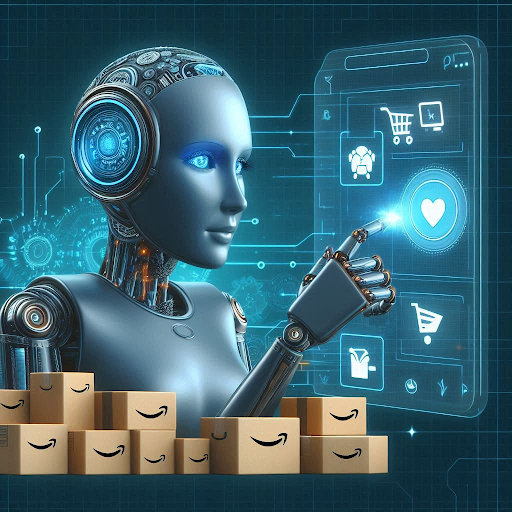
    With the fast-paced movement of the e-commerce landscape, staying competitive demands forward-thinking solutions. Amazon, always at the forefront of innovation, has once again advanced technological boundaries by unveiling Amelia, an AI-driven selling assistant crafted to support and boost seller performance.

    Amelia isn’t just another tool; it acts as a strategic ally for sellers. With the power of sophisticated artificial intelligence, Amelia delivers personalized insights, automates routine tasks, and offers real-time assistance, enabling sellers to excel on the Amazon platform effortlessly.

    Key Features and Benefits of Amelia:

    Tailored Business Insights: Amelia scrutinizes sellers’ performance metrics, identifying potential areas for improvement and delivering customized recommendations.

    Instant Support: Sellers can ask Amelia for help on matters like inventory management, marketing approaches, and more, receiving quick, precise responses.

    Task Automation: Routine tasks such as product listings, order processing, and customer service requests are automated by Amelia, freeing up time for sellers.

    Predictive Analytics: By analyzing extensive datasets, Amelia forecasts trends and helps sellers make well-informed decisions.

    How Amelia Enhances E-commerce Growth:

    Simplified Seller Experience: Amelia streamlines the selling process, minimizing the time and effort required to run an Amazon business.

    Boosted Seller Success: With insightful recommendations and real-time support, Amelia empowers sellers to achieve higher sales and profit margins.

    Elevated Customer Experience: As sellers become better equipped to meet customer demands, the overall shopping experience on Amazon improves.

    Amelia exemplifies Amazon’s commitment to empowering sellers and fostering growth in the e-commerce industry. By utilizing AI, Amelia is set to become an essential resource for sellers aiming to succeed on the world’s largest online marketplace.

    As AI continues to evolve, its role in shaping the future of e-commerce is undeniable. Amelia showcases how AI can revolutionize the landscape, offering value to both sellers and customers.

Login