Category: Uncategorized

  • AI Revolutionizing Education: How India is Embracing the Future

    AI Revolutionizing Education: How India is Embracing the Future

    AI Revolutionizing Education: How India is Embracing the Future

    Artificial Intelligence (AI) is rapidly transforming various sectors, and education is no exception. We may be prone to look at AI in the education space negatively with every student depending on it for their essays and tests, but students leaning on AI may very well be inevitable. Further, teachers and students and embrace AI and evolve along with it   In India, there’s a growing interest in leveraging AI to enhance learning experiences and address existing challenges in the education system. Here’s a closer look at this exciting development:

    Potential Benefits of AI in Education:

    • Personalized Learning: AI can personalize learning paths for students by analyzing their strengths, weaknesses, and learning styles. This allows for a more tailored approach to education, ensuring students are challenged appropriately and can progress at their own pace.
    • Adaptive Learning Tools: AI-powered platforms can adapt to a student’s performance in real-time, adjusting the difficulty level of exercises or recommending additional resources based on their needs.
    • Intelligent Tutoring Systems: AI tutors can provide students with individualized feedback and support, filling the gap in situations where teacher-to-student ratios may be high.
    • Automated Grading and Feedback: AI can automate routine tasks like grading multiple-choice questions, freeing up teachers’ time to focus on more complex aspects of teaching like providing personalized feedback and guidance.
    • Language Learning Assistance: AI-powered tools can help students learn new languages through interactive exercises, personalized vocabulary recommendations, and real-time pronunciation feedback.
    • Content Creation and Accessibility: AI can assist in creating engaging and interactive learning materials like simulations, games, and personalized study guides. It can also translate educational content into different languages, making education more accessible to a wider audience.

    Current initiatives in India:

    • The government has launched an initiative to promote the use of AI in Indian educational institutions. This could involve providing funding for AI-based educational technologies, training teachers on how to integrate AI tools into their classrooms, and developing frameworks for the ethical use of AI in education.
    • Several Indian startups are developing innovative AI-powered educational solutions. These solutions cater to various needs, such as personalized learning platforms, adaptive learning tools, and intelligent tutoring systems.
    • Universities and research institutions are exploring the potential of AI in education through research projects and pilot programs.

    Challenges and Considerations:

    • Equity and Access: Ensuring equitable access to AI-powered educational tools for students from all backgrounds is crucial. The digital divide in India needs to be addressed to prevent AI from exacerbating educational inequalities.
    • Teacher Training and Support: Teachers need proper training and support to effectively integrate AI tools into their teaching practices. It’s important to avoid replacing teachers with AI but rather empower them to utilize AI as a valuable teaching aid.
    • Data Privacy and Security: Protecting student data privacy is paramount when using AI in education. Robust data security measures need to be implemented to ensure student data is safe and used ethically.

    The Road Ahead:

    The use of AI in Indian education is still in its early stages, but it holds immense promise for the future. By addressing the challenges and ensuring responsible implementation, AI can play a transformative role in making Indian education more personalized, effective, and accessible to all.


     
  • Government Needs to Review Unfavorable FTAs: CII Chairman

    Government Needs to Review Unfavorable FTAs: CII Chairman

    FTA

    Government Needs to Review Unfavorable FTAs: CII Chairman

    NEW DELHI: The government should reassess free trade agreements (FTAs) with countries like South Korea and ASEAN members that have not been advantageous for India in terms of market access, stated Sanjiv Puri, Chairman of the Confederation of Indian Industries (CII). However, he noted that trade agreements with the UK, EU, UAE, and Australia have been beneficial for the Indian economy.

    The Global Trade Research Initiative (GTRI) in Delhi reported that India’s merchandise trade deficit surged by 302.9% with ASEAN countries and by 164.1% with South Korea. This comparison was made using data from the pre-FTA period (2007-09) and the period between 2020-22. India had established trade agreements with these countries in 2010-11. During these periods, India experienced a higher growth rate in imports compared to exports when trading with these nations.

    Puri also highlighted the potential for the production-linked incentive (PLI) scheme in sectors like textiles and toys, citing its success in new-age and traditional sectors.

    “PLI schemes have been effective in new-age sectors and traditional sectors like food processing. Given their success, we can extend them to labor-intensive sectors and link them to the employment index,” he added.

    Addressing concerns about slow growth in the manufacturing sector, Puri remarked, “Recent policy interventions have strengthened financial sector balance sheets, improved corporate balance sheets, rationalized corporate income tax, and introduced PLI schemes and FTAs. These measures have positively impacted manufacturing, and we are moving in the right direction.”

    He emphasized the need to build on this momentum through continued reforms in factors like cost, land, labor, and improving ease of doing business to make the ‘Make in India’ initiative more competitive.

    Puri also expressed optimism about a revival in rural consumption, given favorable monsoon predictions.

  • India Has Sufficient Domestic Tyre Capacity; Imports Should Not Be Liberalised Through FTAs: ATMA

    India Has Sufficient Domestic Tyre Capacity; Imports Should Not Be Liberalised Through FTAs: ATMA

    tyre manufacturing

    India Has Sufficient Domestic Tyre Capacity; Imports Should Not Be Liberalised Through FTAs: ATMA

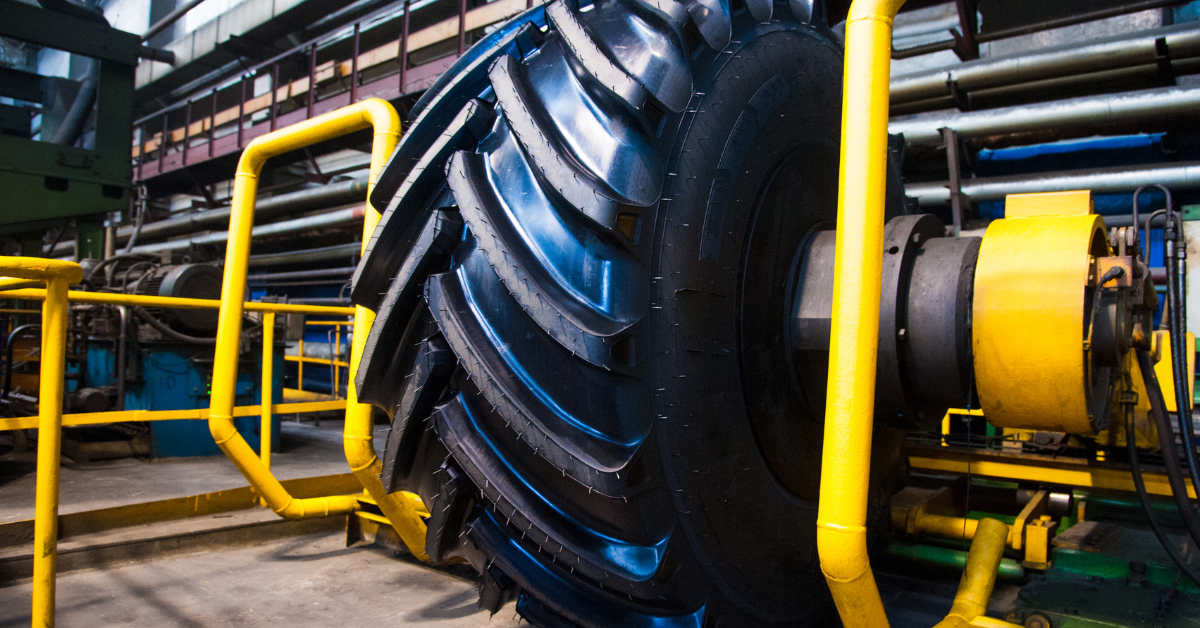
    India has ample tyre manufacturing capacity, and imports should not be liberalised through free trade agreements (FTAs) with duty concessions, according to the Automotive Tyre Manufacturers’ Association (ATMA). The industry body emphasized that domestic manufacturing capabilities in the automotive tyre sector are strong enough to make imports unnecessary, as communicated to the government.

    This feedback was provided in response to the government’s inquiry about sectors where India can achieve self-reliance, to ensure that upcoming FTAs protect domestic industries, ATMA stated.

    ATMA highlighted that India’s domestic tyre industry, one of the largest globally, produces over 200 million units annually across various categories, including two-wheelers, passenger vehicles, commercial vehicles, and off-road vehicles.

    Despite these capabilities, tyres worth over Rs 2,000 crore were imported in the first three quarters of FY24, marking a 27% increase from the same period the previous year, ATMA noted.

    “In recent years, the tyre sector has seen substantial investments, with leading manufacturers investing over Rs 35,000 crore in capacity expansion, technology upgrades, and research and development,” said ATMA Chairman Arnab Banerjee. “As new capacities come online, it is crucial to meet demand with domestic manufacturing rather than imports.”

    Banerjee added that the domestic tyre industry is well-equipped to meet the needs of both domestic and international auto original equipment manufacturers (OEMs) in terms of design, development, and regular supply for all vehicle types manufactured in the country.

    “The industry is ahead of the demand curve in producing all types of tyres. Auto OEMs are not importing tyres as the domestic industry meets their requirements,” Banerjee stated.

    ATMA also pointed out that the domestic tyre industry is a significant employer, providing livelihoods to over 500,000 people directly and indirectly involved in manufacturing, distribution, and related services.

    “Prioritising domestic tyre manufacturing is essential as it supports the livelihoods of over one million rubber growers in the country, with the tyre industry consuming over 70% of domestic natural rubber,” ATMA emphasized.

    By promoting domestic production and leveraging technological advancements, India can strengthen its position as a global leader in the tyre industry while generating employment, promoting sustainability, and driving economic growth, ATMA asserted.

  • ET Make in India SME Regional Summit’s Second Session to be Held in Lucknow

    ET Make in India SME Regional Summit’s Second Session to be Held in Lucknow

    make in india

    ET Make in India SME Regional Summit’s Second Session to be Held in Lucknow

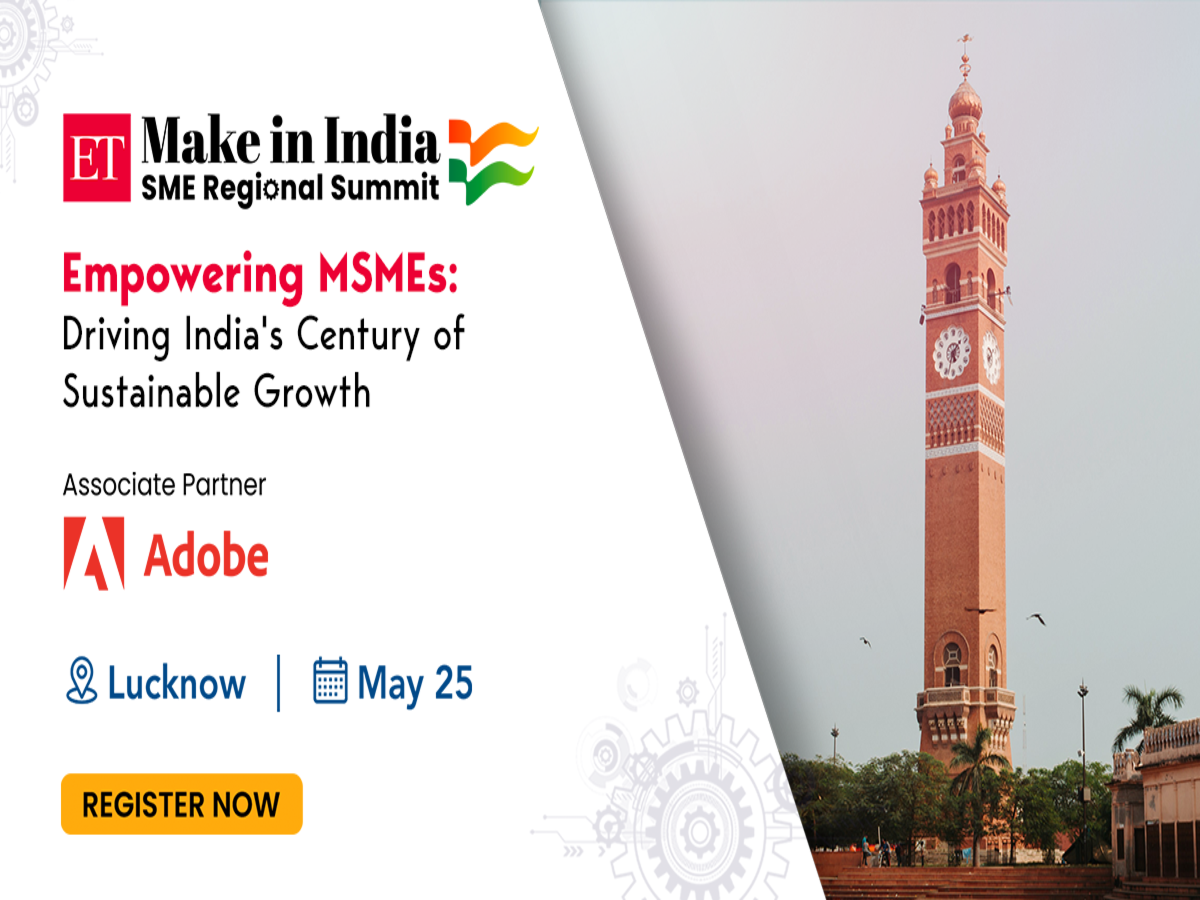
    On May 25, the ET Make in India SME Regional Summit will reach its second city for this year’s edition. Lucknow, renowned for its nawabi heritage and famous handicrafts, will host small businesses, industry leaders, and entrepreneurs in an engaging summit organized by Economictimes.com.

    According to the Udyam portal, Lucknow boasts 141,648 MSMEs, with 136,895 micro industries, 4,347 small enterprises, and 406 medium enterprises.

    With a rich history in textiles and handicrafts dating back to the 16th century, Lucknow has become a hub for handcrafted textiles and leather goods. The city is home to numerous businesses involved in the export of apparel, textiles, and leather.

    A report by CBRE South Asia highlighted that Uttar Pradesh is among the top three states contributing significantly to the Indian MSME sector, accounting for 9%. In this context, the ET Make in India SME Regional Summit will feature panel discussions and fireside chats addressing the challenges faced by the state’s labor-intensive MSMEs and craftspersons, and exploring ways to elevate their businesses to global prominence. The event will also provide a networking platform for enterprises, entrepreneurs, and industry leaders in the city and the state.

    The ET Make in India SME Regional Summit series is held across the country to bring together local MSMEs, policymakers, enablers, and industry stakeholders. These summits aim to discover opportunities, address challenges, and promote knowledge-sharing and networking to drive the next phase of growth for Indian MSMEs. This year’s theme is “Empowering MSMEs: Driving India’s Century of Sustainable Growth,” aiming to champion and fortify Indian MSMEs. Each summit will feature panel discussions, masterclasses, and demonstrations of MSME solutions.

    This is the second edition of the ET Make in India Regional Summit series. Last year’s inaugural edition covered Ahmedabad, Chennai, and Hyderabad, with a stellar turnout. The previous edition’s theme focused on enabling future-ready MSMEs to power the nation’s India@100 dream.

    The purpose of these regional summits is to increase awareness, promote networking, and support industry-specific learning. These events aim to recognize the efforts and accomplishments of MSMEs in their respective areas, and assist them in discovering opportunities and strategies to become globally competitive and future-prepared.

    The summits are hosted by Economictimes.com in collaboration with Adobe as the Associate Partner.

  • Cloud Based ERP solution for SMEs and Mid Sized Organisations

    Cloud Based ERP solution for SMEs and Mid Sized Organisations

    ERP

    Cloud Based ERP solution for SMEs and Mid Sized Organisations

    In today’s business environment, small and medium-sized enterprises (SMEs) and mid-sized organizations require efficient and flexible tools to streamline their operations. Cloud-based ERP solutions have emerged as a transformative force in today’s business landscape, empowering organizations to optimize processes, enhance productivity, and drive growth. By embracing these cutting-edge solutions. Here’s why adopting a cloud-based ERP solution is beneficial for SMEs and mid-sized organizations.

    Cost-Effective Scalability

    Cloud-based ERP eliminates the need for significant upfront investment in hardware, infrastructure, and software licenses. Small and medium-sized enterprises can leverage the pay-as-you-go subscription model, by adopting this model, SMEs can unlock numerous benefits and maximize their operational efficiency. allowing them to scale their ERP resources up or down based on their business requirements. This cost-effective scalability ensures that businesses can adapt to growth or changes in demand without incurring unnecessary expenses.

    Streamlined Operations

    A cloud-based ERP solution integrates multiple business functions into a single unified platform. It centralizes data from departments like finance, sales, inventory management, and human resources, providing a holistic view of the organization’s operations. 

    Enhanced Accessibility and Mobility

    Cloud-based ERP solutions offer the flexibility of anytime, anywhere access to critical business information. SMEs and mid-sized organizations can access the ERP system through web browsers or mobile apps, allowing employees to work remotely or on the go. This mobility enables seamless collaboration, empowers decision-making, and enhances overall productivity.

    Data Security and Reliability

    Cloud-based ERP solutions employ robust security measures, including encryption, regular data backups, and disaster recovery plans. Cloud service providers invest heavily in maintaining secure infrastructure, ensuring that sensitive business data is protected from unauthorized access or loss. Additionally, cloud-based ERP systems offer high uptime and reliability, minimizing the risk of data loss or system downtime.

    Integration and Customization

    Cloud-based ERP solutions provide opportunities for integration with other business applications, such as CRM systems, e-commerce platforms, or third-party tools. This integration eliminates data silos and enhances data accuracy and consistency across different systems. Moreover, cloud-based ERP solutions often offer customization options, allowing businesses to tailor the system to their specific needs and workflows.

    Implementing a cloud-based ERP solution also provides organizations with the opportunity to leverage advanced analytics and integration capabilities. helping them streamline operations, boost productivity, and drive sustainable growth. By harnessing the power of cloud technology, businesses can embrace agility, competitive, and well-equipped to meet the evolving demands of the market.

Login