Category: Trending

  • Apple’s AI in Limbo: How the EU’s Digital Markets Act Throws a Wrench in Innovation

    Apple’s AI Rollout Stalled in Europe: The EU’s Digital Markets Act Throws a Wrench in the Works

    Apple’s grand plans for rolling out its latest artificial intelligence (AI) features in Europe have been thrown into disarray by the European Union’s (EU) Digital Markets Act (DMA). This act, designed to promote a more competitive digital marketplace, has unfortunately collided with Apple’s way of doing things, particularly regarding user privacy and app distribution, creating a frustrating impasse.

    Hold Up on the AI Train

    The centerpiece of Apple’s AI ambitions, a project mysteriously named “Apple Intelligence,” has been placed on hold for all its European users. While the exact features of this offering remain under wraps, it likely encompasses a range of AI-powered services intended to seamlessly integrate within the Apple ecosystem.

    Adding to the woes, features like effortless iPhone mirroring and enhanced screen sharing capabilities via SharePlay are also stuck in limbo across the EU.

    Interoperability Woes: Security Concerns vs. Openness

    The core of the problem boils down to the DMA’s push for interoperability. These provisions aim to dismantle the walled gardens created by tech giants like Apple, potentially forcing them to:

    • Allow users to download applications from third-party app stores outside the tightly controlled App Store.
    • Permit alternative payment methods within apps, effectively bypassing Apple’s App Store commission fees.

    Apple, however, is deeply concerned that such interoperability mandates could come at the cost of user privacy and security. They argue that loosening control over app distribution might expose users to security vulnerabilities by allowing potentially unvetted apps onto iPhones.

    Finding Common Ground: A Delicate Dance

    Apple maintains its unwavering commitment to user safety and is actively seeking collaboration with the European Commission to find a solution that satisfies both parties. Ideally, they hope to introduce their new features while simultaneously upholding the high standards of user privacy and security they strive for.

    The Potential Impact: A Double-Edged Sword

    This delay in rolling out AI features for the European market has the potential to cause a two-pronged problem:

    • European users might miss out on the convenience and innovative experiences promised by these new AI functionalities.
    • Apple might be forced to significantly alter its AI implementation strategy to comply with the DMA regulations.

    The Future Unfolds: A Precedent in the Making

    The outcome of Apple’s discussions with the EU Commission will not only determine the fate of AI features and app distribution for Apple devices in Europe, but it could also set a crucial precedent. How other tech giants navigate the regulations laid out by the DMA will be closely watched, potentially shaping the entire digital landscape within the European region.

    Stay Tuned for the Next Chapter

    This story is far from over. We’ll be keeping a close eye on developments, with The Indian Express and other tech news outlets serving as our guides, to see how Apple and the EU Commission eventually resolve this situation. Their resolution could very well define the future path of AI integration within smartphones and set new standards for user privacy.


  • GST Relief: Exemptions for Hostel Rents and Railway Services

    GST Relief: Exemptions for Hostel Rents and Railway Services

    GST tax

    GST Relief: Exemptions for Hostel Rents and Railway Services

    The GST Council, in its 53rd meeting, announced several relief measures aimed at benefiting the middle class. Among these is an exemption from GST for rents up to ₹20,000 per month for accommodations outside college campuses. This applies to students and working professionals for stays up to 90 days, a reduction from the previous 12% GST rate on such accommodations.

    Key Exemptions and Reductions

    Union Finance Minister Nirmala Sitharaman highlighted that the council also exempted services like platform tickets, waiting room access, and cloakroom facilities at railway stations from GST. Furthermore, the council reduced GST on cartons to support apple farmers in Himachal Pradesh and Jammu and Kashmir, and set a 12% GST rate for all milk cans and solar cookers.

    Addressing MSME and Industry Needs

    The council recommended waiving interest and penalties for demand notices issued under Section 73 of the GST Act for cases not involving fraud, suppression, or misstatements. This waiver applies to notices from fiscal years 2017-18, 2018-19, and 2019-20.

    Pending Issues and Future Considerations

    Contentious issues like GST on fuel products, online gaming, and insurance premium rate rationalization were not discussed in this meeting. Finance Minister Sitharaman mentioned that the inclusion of petrol and diesel under GST depends on state decisions, despite the central government’s intention to include them.

    Regarding the demand for GST exemption on fertilizers, Revenue Secretary Sanjay Malhotra stated that this issue has been referred to the Group of Ministers (GoM) due to its significance. Additionally, the council deferred the discussion on co-insurance premiums to the next meeting.

     Industry Response and Additional Measures

    Saurabh Agarwal, Tax Partner at EY India, commended the government’s measures, such as waiving interest and penalties for disputes up to FY 2019-20, extending ITC claim timelines for FY 2020-21, and reducing pre-deposit requirements for appeals. He suggested that streamlining the GST rate structure and exploring an ‘invoice locking’ facility within the GSTN system would further reduce litigation.

     Support for Railways and Appeal Process

    The council recommended exempting various services provided by Indian Railways to the public, such as platform tickets and waiting room facilities. This exemption will be regularized from October 20, 2023, to the date of the exemption notification.

    To ease cash flow and working capital constraints for taxpayers, the council also proposed reducing pre-deposit amounts for filing appeals. The maximum pre-deposit for appeals with the appellate authority has been reduced to ₹20 crores for both CGST and SGST, down from ₹25 crores. For appeals with the Appellate Tribunal, the pre-deposit has been reduced to 10% with a maximum of ₹20 crores for both CGST and SGST, down from 20% with a maximum of ₹50 crores.

  • Why Sustainability Reporting Matters for SMEs

    Why Sustainability Reporting Matters for SMEs

    Small Business, Big Impact: Why Sustainability Reporting Matters for SMEs

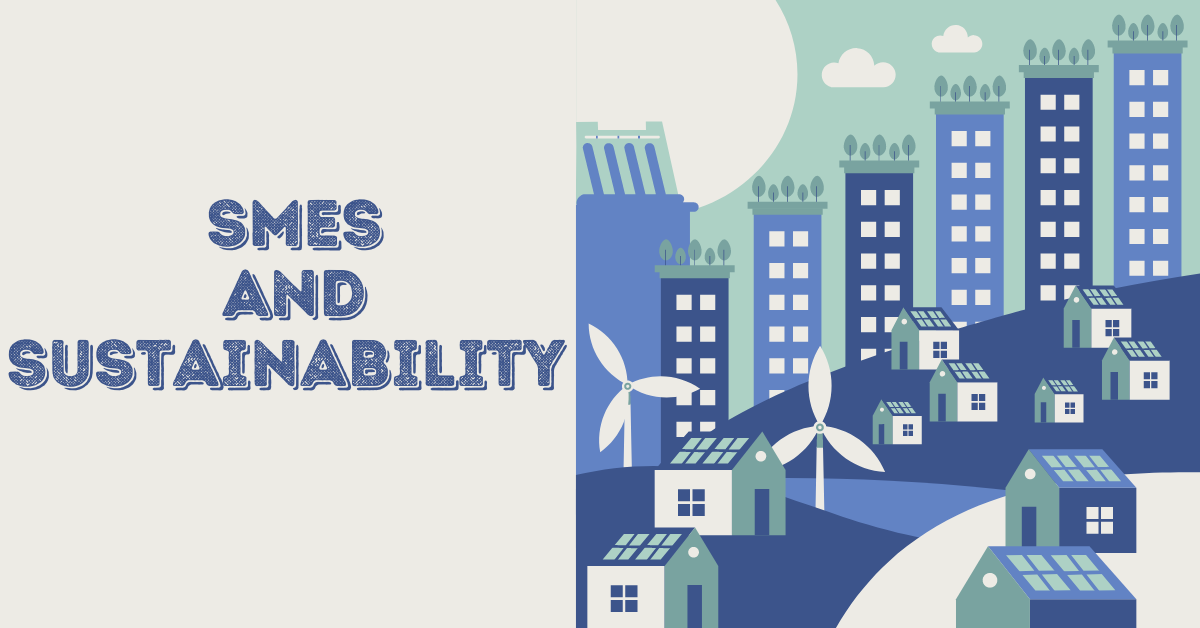
    A new guide from ACCA (the Association of Chartered Certified Accountants) recognizes the vital role Small and Medium-sized Enterprises (SMEs) play in global supply chains. Their guide, titled “Sustainability Reporting – SME Guide,” empowers SMEs to create the sustainability reports increasingly demanded by regulators and stakeholders.

    Sundeep Jakhar, head of public affairs for ACCA in India, emphasizes the importance of sustainability practices for Indian SMEs, which make up a significant portion of the Indian business landscape. He acknowledges their unique challenges, such as limited resources, but highlights the numerous benefits sustainability reporting can unlock, including access to new markets and better financing opportunities. This translates to improved competitiveness on a global scale for Indian SMEs, helping them align with international standards.

    Report co-author Sharon Machado, head of sustainable business at ACCA, explains that creating and using sustainability information empowers SMEs, their advisors, and stakeholders to identify opportunities, manage risks, and ultimately strengthen their financial position. This translates to easier investment attraction, preferential terms with suppliers, and a competitive edge in the talent pool.

    As the demand for sustainability information rises, all organizations, including SMEs (which comprise 90% of all organizations globally), need to be prepared to provide information on their approach to managing sustainability risks and opportunities. This information is crucial for regulators, investors, and other stakeholders throughout the value chain.

    The ACCA guide highlights the competitive advantage SMEs can gain by communicating and using sustainability information. Report co-author Aaron Saw, head of corporate reporting insights at ACCA, acknowledges the challenges SMEs might face, especially financially. However, he emphasizes that evidence shows the effort is worthwhile. The ACCA encourages all SMEs to take small but crucial first steps towards creating sustainability reports, paving the way for a stronger and more competitive business.


    You can read here to learn more: https://smefutures.com/sustainability-related-information-enables-better-business-for-smes-says-new-guide-from-acca/

  • Driving Factors: Technology’s Role in Shaping India’s Electric Two-Wheeler Adoption

    Driving Factors: Technology’s Role in Shaping India’s Electric Two-Wheeler Adoption

    EV 2-wheelers

    Driving Factors: Technology’s Role in Shaping India’s Electric Two-Wheeler Adoption

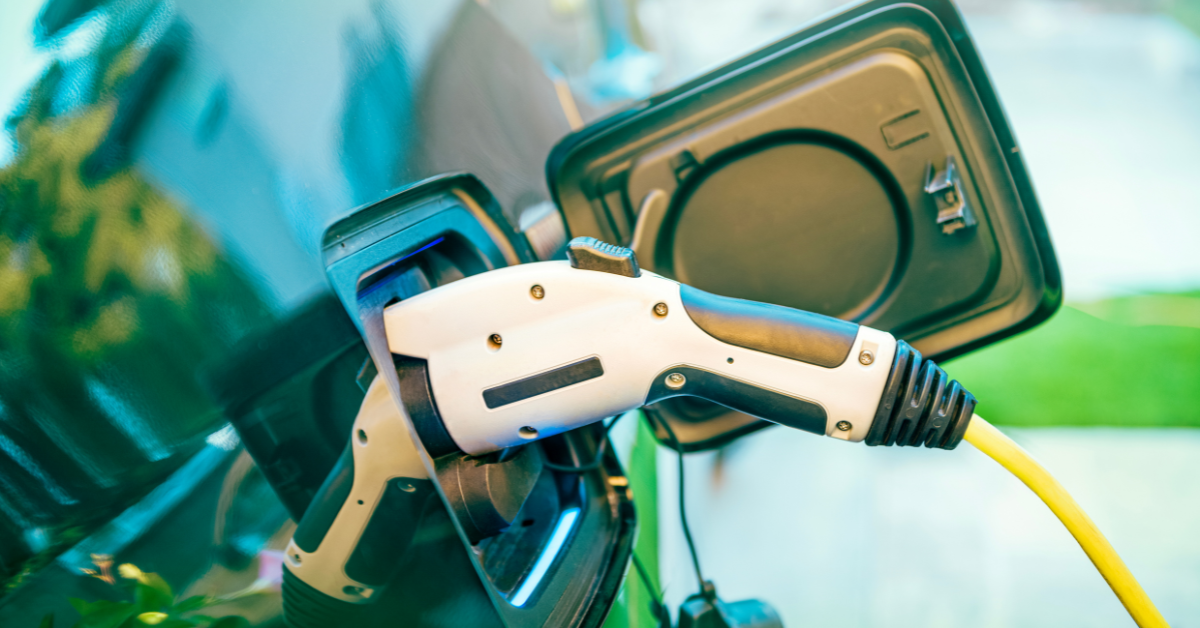
    Technological factors have the potential to either impede or accelerate the adoption of electric two-wheelers in India’s evolving electric vehicle (EV) ecosystem, which has witnessed significant growth in recent years supported by government and private sector initiatives. The interim budget also outlined various measures aimed at expediting the expansion of the domestic EV ecosystem, including bolstering charging infrastructure.

    As the EV landscape evolves, it becomes evident how policies, market conditions, and technological advancements influence consumer acceptance of these vehicles. Technology emerges as a critical determinant for the adoption of EVs, particularly in the two-wheeler segment, which constitutes one of the largest automobile segments in India.

    According to Sushant Kumar, Founder & Managing Director of AMO Mobility, battery technology plays a pivotal role. Advancements in lithium-ion batteries and the emergence of solid-state batteries enhance efficiency, safety, and charging speed, which are crucial for extending vehicle range and enhancing user convenience. Motor technology also significantly impacts performance, with innovations such as brushless DC motors offering improved efficiency and requiring less maintenance.

    Furthermore, material science advancements enable the use of lightweight materials that improve range and performance without compromising safety. Kumar notes that these technological strides collectively shape the future of electric two-wheelers, making them more attractive and efficient for consumers.

    Anshul Gupta, Managing Director of Okaya EV, emphasizes the importance of finding the right technology as EVs are still in the pilot phase. He highlights the necessity of progressing charging infrastructure, including rapid charging methods and battery swapping techniques, to address concerns about range anxiety and promote widespread adoption.

    In the evolving landscape of EV technology, particularly concerning two-wheelers, several technological factors are poised to influence their future development, experts believe.

    Prashant Vashishtha, Chairman & Managing Director of Sokudo India, underscores the significance of battery technology advancements, including shifts to more advanced formulations like solid-state or lithium-sulfur batteries promising higher energy densities and faster charging times. Motor technology is expected to advance further, focusing on increasing efficiency and reducing weight, while electronic control systems become more sophisticated to enhance vehicle dynamics and user interfaces.

    The integration of IoT and AI technologies plays a vital role in facilitating real-time vehicle diagnostics, enhancing user experience, and increasing vehicle reliability. These technologies contribute to predicting battery life, optimizing energy management, and improving overall vehicle efficiency, according to industry stakeholders.

    Gupta also highlights safety as a primary concern for customers due to high voltages and temperatures associated with EVs. LFP batteries are considered safer than NMC batteries due to their higher thermal runaway temperature and longer lifespan, despite requiring more space.

    Overall, infrastructure improvements such as fast-charging stations and connectivity features like GPS navigation, coupled with supportive government policies and incentives, contribute to the growing popularity of electric two-wheelers in India’s dynamic mobility landscape.

  • OpenAI’s new search engine

    OpenAI’s new search engine

    OpenAI’s new search engine may change marketing

    open ai

    Open AI has been changing the way users browse the web. Imagine users asking questions in a natural way, just like they would a friend. OpenAI’s search engine might be built for this conversational approach, requiring marketers to adapt their content to sound natural and answer real user questions.

    Excitement is building for OpenAI’s search engine, and it has the potential to disrupt the search landscape as we know it. However, some questions linger. Can OpenAI make money with this new service? And can it truly compete with the mighty Google? One thing’s for sure: the search engine world is a hotbed of innovation and fierce competition, and OpenAI’s arrival just adds another layer of intrigue.

    Marketers might need to track new metrics to understand how users find and engage with their content in this new search landscape.

    AI search engines might throw SEO for a loop These new search engines, unlike their traditional counterparts, may value different things. They could prioritize content written in a more conversational style, focus on new ranking signals we haven’t seen before, or even interpret what users are really looking for in a completely different way. Since AI can understand and create human-like text, content that directly answers users’ questions in a natural, conversational way might be the key to ranking highly.

    OpenAI’s search engine could change the search game Google has been the undisputed king for ages, but if OpenAI takes off, it could shake things up big time. Marketers will need to ditch their “all eggs in one basket” approach and start spreading their SEO efforts across different platforms to stay competitive.

    Overall, OpenAI Search presents both challenges and opportunities for marketers. Being adaptable and creative will be key to success in this evolving search landscape.


    To learn more, read here: https://www.cmswire.com/digital-marketing/what-openai-search-would-mean-for-marketers/

  • New MSME payment clause in IT Act

    New MSME payment clause in IT Act

    supreme court

    New MSME payment clause in IT Act

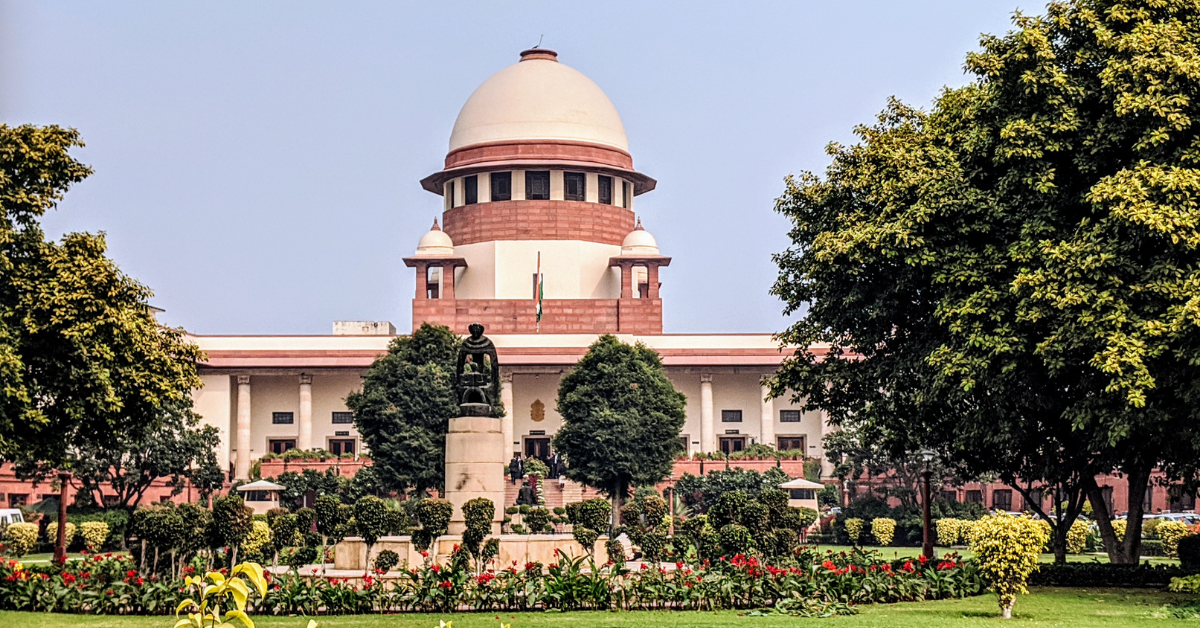
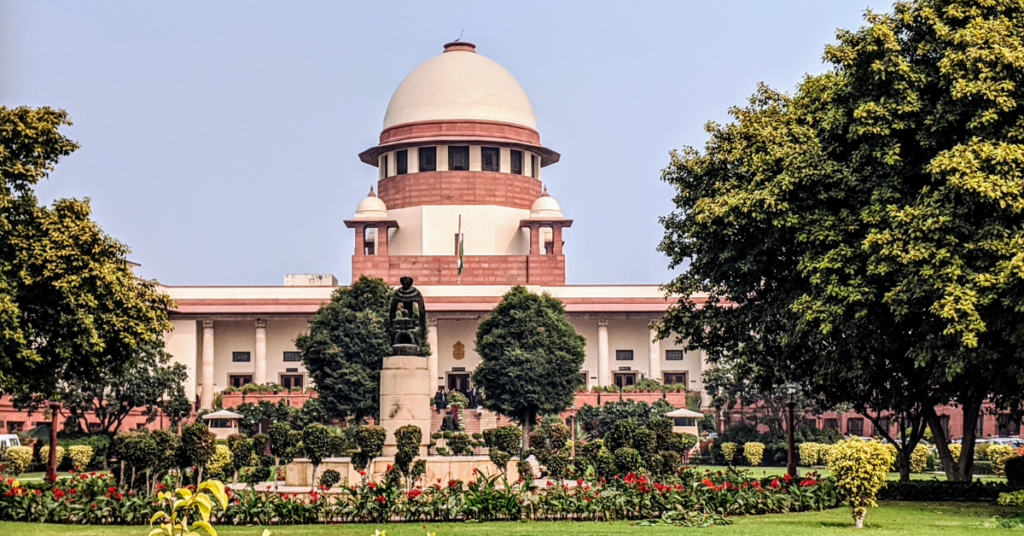
    The Supreme Court declined to hear a petition filed by traders’ associations challenging the constitutionality of Section 43B(H) of the Income Tax Act, which mandates businesses to clear dues owed to micro, small, and medium enterprises (MSMEs) within 45 days to avail tax benefits.

    Instead, a bench headed by Chief Justice DY Chandrachud advised the petitioners – Federation of All India Vyapar Mandal, Federation of Madras Merchants and Manufacturers Association, and Confederation of West Bengal Trade Associations – to seek relief from the high court.

    The provision came into effect on April 1. The Federation of All India Vyapar Mandal challenged the constitutionality of Section 43B(H), highlighting its adverse impact on the business community, especially MSMEs like textile, chemical, and engineering units based in Gujarat.

    The traders’ body sought a review of the provision due to its negative implications on MSMEs, arguing that it unfairly favors medium-scale industries by granting them more leeway in extending credit, thereby causing MSMEs to lose market share. Traders also alleged that the amendment unfairly penalized small enterprises by restricting their ability to offer credit based on their discretion.

    The petition further pointed out that large companies were redirecting their orders away from MSMEs registered under the Micro, Small, and Medium Enterprises Development Act, 2006, opting instead to place them with unregistered entities to evade mandatory provisions and maintain longer payment cycles of 90-120 days.

    To address working capital shortages and ensure timely payments within the sector, the Finance Act 2023 introduced an amendment to the Income Tax Act by adding clause (h) to Section 43B. This clause mandates that buyers settle outstanding payments owed to MSMEs within 45 days to qualify for tax deductions. Failure to comply results in disqualification from tax benefits until the dues are settled.

    In cases of delayed payments to MSMEs, the buyer is liable to pay tax on the overdue amount, which can only be reversed upon clearing the dues to MSMEs. Additionally, interest on the overdue amount accrues at the bank rate notified by the Reserve Bank of India, applicable from the appointed day or an agreed date.

  • Repercussions of a Clean Technology Trade War: Lessons from History

    Repercussions of a Clean Technology Trade War: Lessons from History

    clean technology

    Repercussions of a Clean Technology Trade War: Lessons from History

    What happens when a leading trading nation faces the reality that its supremacy is waning?

    For the first country to grapple with this dilemma — Britain — it led to an enduring identity crisis that continues more than a century later. As the United States confronts a similar crossroads, it must weigh whether free trade or protectionism holds the promise of greater prosperity.

    In the 19th century, the UK’s fusion of manufacturing prowess and open commerce propelled it to pre-eminence. By the late 1800s, it accounted for approximately a quarter of the world’s industrial output. However, beneath this imperial confidence lay deep-seated anxieties triggered by the ascent of new global powers.

    In Chicago, the Union Stock Yards sprawled over an area half the size of the old City of London, employing tens of thousands and processing enough meat to feed 80% of America’s population. Henry Ford replicated the Yards’ production-line innovations in Detroit to establish car factories on an unprecedented scale. Meanwhile, in Ludwigshafen, south of Stuttgart, Britain ceded its early lead in chemicals to BASF SE, whose vast integrated plants conferred near-monopoly status on Germany by 1900.

    Joseph Chamberlain, a former titan of the world’s largest screw-making business and now a prominent British politician, saw the solution in a departure from the Empire’s free-trade ethos. “Tariffs! They are the politics of the future, and of the near future,” he declared at a parliamentary dinner in 1902.

    The resultant policy, Imperial Preference, proposed steep levies on imports from outside the Empire. This protectionist approach dominated until the Second World War shattered Britain’s global pretensions, casting a long shadow over its turbulent relationship with the European Union’s trading bloc.

    The parallels with present-day America, grappling with China’s manufacturing prowess, are stark. Like late Victorian Britain, a dominant power faces a rival endowed with abundant land, labor, and capital, rapidly closing the gap. Moreover, China’s investments and monumental industrial infrastructure overshadow competitors. China’s dominance of the clean technology supply chain appears near-absolute, producing 84% of the world’s solar modules, 86% of lithium-ion batteries, and a substantial share of wind turbine components and electrolyzers for green hydrogen.

    President Joe Biden’s recent remarks underscore America’s response to this challenge, signaling a stance against China’s economic practices with higher tariffs on its products.

    The experience of Britain’s brief experiment with protectionism offers cautionary lessons. Despite early 20th-century angst, the UK remained a top-five manufacturing power until the 2000s, when it was overtaken by China, Italy, South Korea, India, Mexico, and Russia. In contrast, nations embracing protectionism encountered stunted manufacturing sectors and enduring debt burdens.

    While the United States is unlikely to face such dire consequences, it faces a shifting global landscape where multiple industrial giants vie for dominance. Sustaining its hegemony will require avoiding isolationist tendencies and embracing strategic engagement in the global economy.

Login